
















Story Highlight
– NHS England responsible for national vaccination programme delivery.
– Citizens eligible for vaccines identified and invited centrally.
– Vaccination data processed for public health and safety monitoring.
– Personal data shared with health organizations for care coordination.
– Citizens can manage vaccination invitation preferences online.
Full Story
NHS England has recently been assigned the task of managing various vaccination programmes across the country by the Secretary of State for Health and Social Care. These programmes aim to provide necessary immunisations to citizens, facilitating widespread access to essential health services.
Comprehensive details regarding the vaccinations available in the UK—including those offered through the NHS—can be accessed through the official NHS website. NHS England collaborates with a diverse range of health organisations and agencies to ensure that these vaccination initiatives are delivered effectively and efficiently.
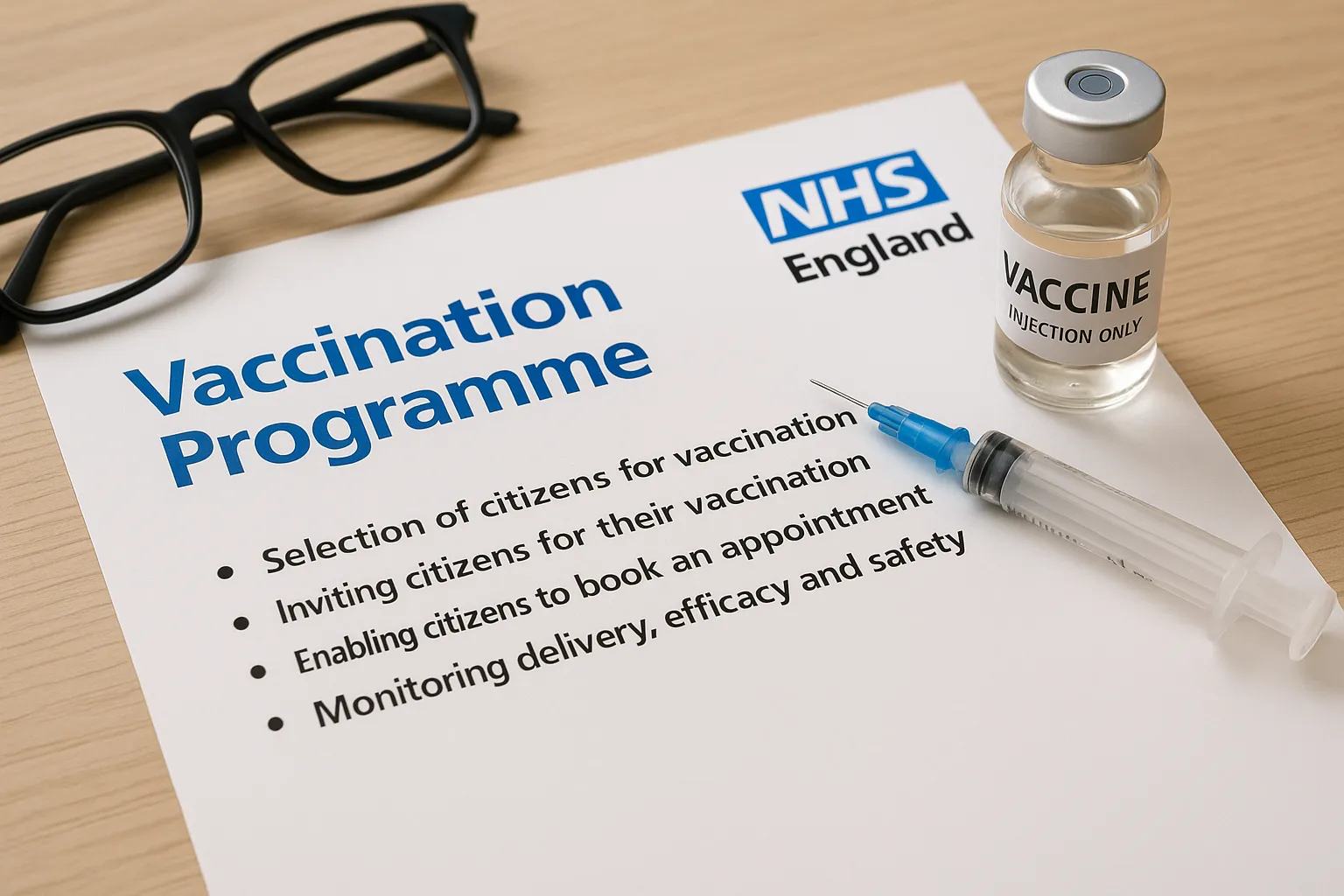
This transparency notice is intended to elucidate the centralised national approach that NHS England has adopted in relation to several key activities concerning the vaccination process, which include:
– Determining eligibility criteria for vaccinations
– Sending invitations to eligible individuals
– Allowing citizens to schedule their vaccination appointments
– Monitoring the administration and effectiveness of immunisation programmes, including tracking adverse reactions to vaccines
To better manage the vaccination programmes, NHS England processes personal data collected from citizens. This data is used for several important purposes:
1. **Identifying Eligible Citizens**: NHS England uses information in accordance with guidance from the Joint Committee on Vaccination and Immunisation to identify individuals eligible for specific vaccinations.
2. **National Invitations**: Citizens deemed eligible will receive invitations encouraging them to participate in vaccinations that may benefit their health.
3. **Appointment Booking**: The system is designed to support general practitioners (GPs) and other vaccination service providers in contacting citizens regarding their vaccination eligibility.
4. **Vaccination Reminders**: Automated reminders will be sent to individuals who have yet to book their vaccinations to help improve participation rates.
5. **Data Sharing with GPs**: For those registered with an English GP practice, NHS England will electronically transmit vaccination details for the individual’s records.
6. **Location Accessibility**: The objective is to ensure that vaccinations are readily available in suitable locations for individuals.
7. **Monitoring Vaccination Uptake**: NHS England will review vaccination rates across various regions to identify areas with low uptake and provide necessary support to vaccination providers without disclosing personal identities.
8. **Planning & Reporting**: Data will be utilised to aid in the planning and execution of current and future vaccination programmes while correcting any incorrect vaccination records.
9. **Systems Support**: NHS England is committed to maintaining efficient systems that enable vaccination providers to accurately record immunisations and relay this data to GPs.
In terms of data privacy, it is essential to note that NHS England operates as the data controller of personal information within the frameworks established by the UK General Data Protection Regulation (UK GDPR). The processing of data is conducted under specific legal bases, particularly focusing on public health and the performance of tasks carried out in the public interest.
The relevant legislation empowering NHS England to process personal data for vaccination purposes includes the National Health Service Act 2006, which highlights the importance of public health protection. Furthermore, compliance with health-related data processing standards is assured, respecting the confidentiality of patients’ information under various regulatory frameworks.
During the ongoing fight against COVID-19, NHS England has been tasked with integrating data collection systems tailored to tackle the pandemic’s challenges. This involves developing platforms that facilitate the management of vaccination services linked to COVID-19, in alignment with national public health directives.
The types of personal data processed in relation to vaccination programmes may vary, encompassing:
– NHS numbers
– Basic identifying information, such as names and dates of birth
– Contact details such as email addresses and mobile numbers
– Health-related data as derived from existing records
– Details of vaccinations administered, including dates and types
NHS England employs various methods to obtain this personal data, leveraging existing databases and real-time information gathered during vaccination administration. This ensures that comprehensive vaccination histories are maintained and communicated to relevant healthcare professionals, primarily GPs.
Once an eligible citizen is identified for a vaccination programme, NHS England processes the necessary data to facilitate effective programme management. This includes the organisation of national invitation campaigns and the maintenance of databases for tracking vaccination uptake and outcomes.
Data sharing is an essential component of NHS England’s strategy to ensure comprehensive monitoring and effective delivery of vaccinations. Information is routinely shared with GPs, local vaccination services, pharmacies, and relevant health authorities to streamline the vaccination process and ensure coherence across different healthcare settings.
The collaboration with health authorities like the UK Health Security Agency (UKHSA) aims to enhance public health measures and responses to communicable diseases through shared data sets. Ensuring accurate tracking of vaccinations aids both public health oversight and helps to address discrepancies in vaccination claims from providers through collaboration with the NHS Business Services Authority.
Beyond immediate vaccination efforts, NHS England utilises aggregated data for evaluating the efficacy of programmes, helping to strengthen immunisation outreach and achieve key health outcomes. Such analyses are crucial for developing appropriate strategies for future health initiatives, enhancing the efficacy and reach of vaccination efforts.
Data retention policies are imperative for governance, with NHS England committed to holding personal data only for as long as necessary to fulfil the purposes outlined. In adherence to established regulations, this includes retaining information connected to the COVID-19 pandemic until otherwise specified by official inquiries.
Patient rights in relation to personal data are safeguarded under existing data protection laws, allowing individuals to understand how their information is collected and utilised. NHS England has introduced options for citizens to manage their preferences regarding vaccination invitations, ensuring they can exercise control over their health communications.
As the healthcare landscape continues to evolve, NHS England remains focused on enhancing its vaccination infrastructure, ensuring community health resilience against communicable diseases, and fostering an informed public committed to maintaining high vaccination uptake.
Our Thoughts
The article outlines the responsibilities of NHS England regarding vaccination programmes, focusing on data processing and management. To improve safety and compliance, the following measures could be implemented:
1. **Data Protection Compliance**: Ensure adherence to the UK General Data Protection Regulation (GDPR) and the Data Protection Act 2018 to prevent unauthorized access to personal data. This includes rigorous training for staff on data handling and privacy.
2. **Clear Communication**: Improve transparency with citizens about how their data is used and shared. Public awareness campaigns could help citizens understand the importance of their participation and the safeguards in place.
3. **Incident Reporting Systems**: Establish robust mechanisms for reporting and addressing adverse reactions to vaccines to enhance response times and improve safety monitoring.
4. **Regular System Audits**: Conduct frequent audits of vaccination data systems to identify potential vulnerabilities or breaches of the Health Service (Control of Patient Information) Regulations 2002.
5. **Training and Protocols**: Implement comprehensive training for vaccination providers on legal obligations and best practices to ensure compliance with relevant health and safety legislation.
By proactively addressing these areas, NHS England can enhance public trust and ensure the effective delivery of its vaccination programmes.