














Story Highlight
– Exit smart motorway or use emergency refuge area.
– Activate hazard lights and exit through nearside door.
– Wait behind safety barrier if present.
– Call 999 if unable to exit safely.
– Contact Highways England for assistance in refuge area.
Full Story
When faced with a vehicle breakdown on a smart motorway, it is essential to remain calm and follow a systematic approach to ensure your safety and that of other road users. Smart motorways are designed with specific features to facilitate safer travel, yet a breakdown can be a stressful experience. Here’s what to do in such an event.
Firstly, activating your hazard warning lights is crucial. This alerts other drivers to your situation and helps enhance your visibility on the road. Exit the vehicle through the nearside door, which is the door closest to the road. Once outside, it is imperative to position yourself behind the safety barrier, as this provides a buffer between you and the moving traffic.
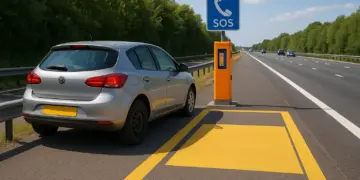
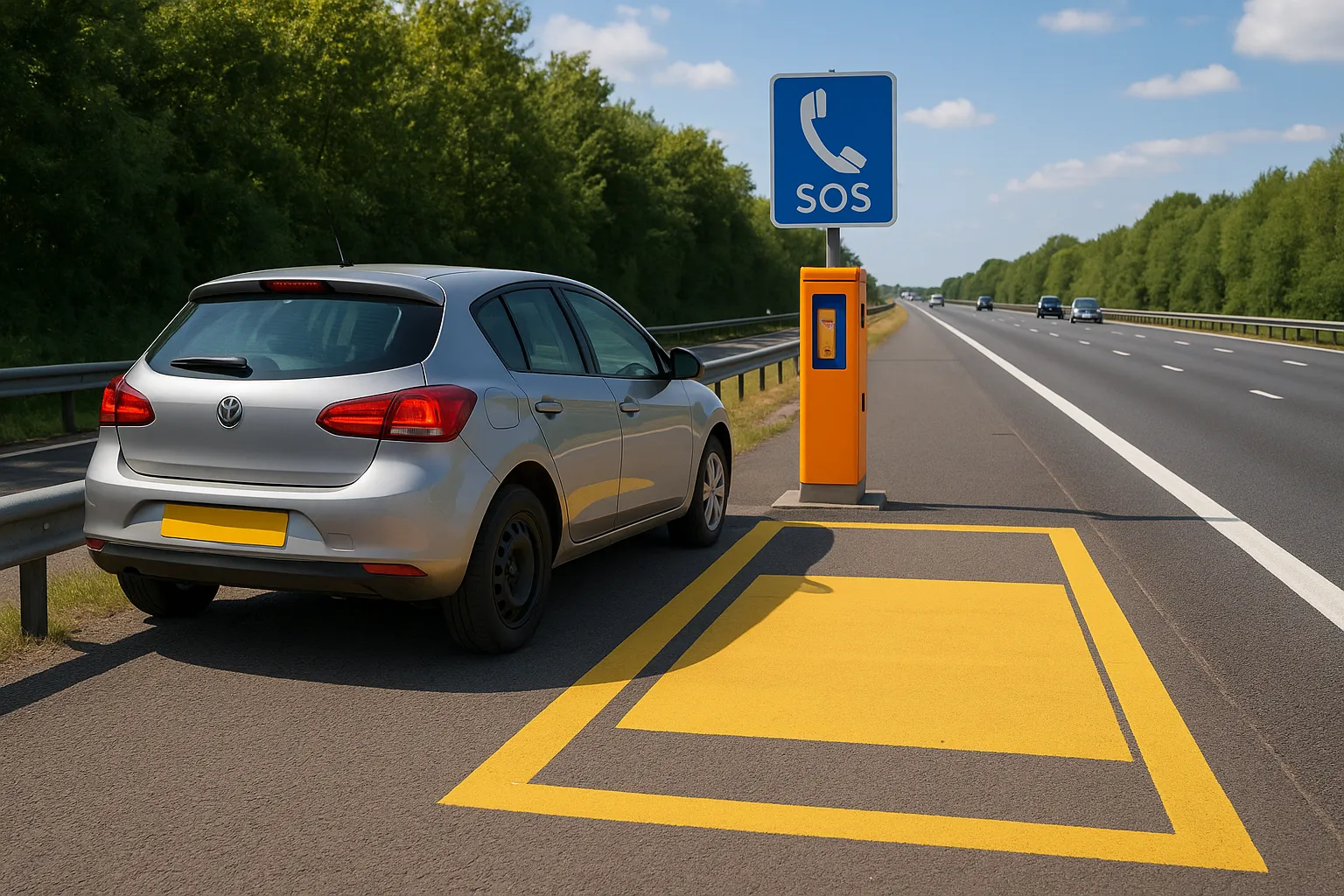
Smart motorways are equipped with designated emergency refuge areas. These are easily identifiable by their yellow markings and blue signs, which feature an orange SOS telephone symbol. If you are able to safely reach one of these areas, do so. They are specifically designed to provide a safe space for motorists experiencing difficulties.
In scenarios where a refuge area is not accessible, assess the surrounding conditions. If it is safe to do so and there is no safety barrier present, you should move onto the verge after exiting via the nearside door. If there is indeed a safety barrier, it is advisable to exit your vehicle and wait behind this barrier to avoid any potential hazards from the traffic.
In instances where it is neither safe to exit the vehicle nor feasible to stop in the left-hand lane, remain inside with your seatbelt fastened. It is vital to call emergency services, dialing 999, if you have a mobile phone available. This way, you can report your situation and receive guidance or assistance promptly.
Should you find yourself able to exit the vehicle safely, consider using the SOS telephone located in the emergency refuge area. By contacting Highways England, you can request assistance, and a traffic officer will be dispatched to your location. Additionally, temporary measures can be implemented on the motorway to ensure your safety while you wait.
Before rejoining the motorway, it is advisable to inform Highways England once more. This will allow them to adjust traffic management measures accordingly, lowering speed limits or closing lanes if necessary to facilitate your safe return to the road.
Understanding these protocols can significantly enhance safety during a breakdown on a smart motorway. It is essential for drivers to be proactive in their approach and familiarise themselves with the protocols, which can make a critical difference in an emergency.
Moreover, educating motorists about the importance of remaining calm and informed can help reduce the stress associated with vehicle malfunctions on busy motorways. Each driver plays a role in maintaining road safety, and knowing the appropriate steps can contribute to a safer environment for everyone.
Smart motorways are equipped with advanced technology to manage traffic flow and enhance safety. It is a shared responsibility to use these resources wisely and to ensure roads remain secure for all users. Taking a moment to familiarise oneself with the layout and features of these motorways can be beneficial, especially for those who travel frequently.
Overall, motorists are encouraged to watch for informative signage while on the smart motorway. These signs not only indicate traffic conditions and speed limits but also guide drivers in the event of an incident. Discretion and adherence to prescribed safety measures can help prevent accidents and reduce the risk of injury during a breakdown.
In summary, the best approach when experiencing a breakdown on a smart motorway is to remain aware of your surroundings, follow safety protocols, and utilise the resources available to you. This structured response not only ensures personal safety but also contributes to the smooth operation of the motorway as a whole.
Being informed and prepared plays a critical role in road safety. Although vehicle breakdowns are unfortunate, knowing how to react can transform a potentially dangerous situation into a manageable one. By prioritising safety and adhering to guidelines, drivers can navigate the challenges that may arise on smart motorways with greater assurance.
Our Thoughts
To enhance safety on smart motorways, effective communication of protocols is essential. The article outlines the appropriate actions drivers should take in case of a breakdown, but it highlights potential areas of improvement. Ensuring that drivers are adequately informed before travel—through awareness campaigns or clearer signage about emergency procedures—could mitigate risks and enhance safety.
Key safety lessons include reinforcing the importance of using emergency refuge areas and the necessity of remaining in vehicles when it is unsafe to exit. Further education on the implications of smart motorway designs and their safety features could foster better compliance and preparedness among drivers.
Relevant regulations potentially breached relate to the Health and Safety at Work Act 1974, which mandates that operators must ensure the safety of all road users. Ensuring that all areas are regularly monitored and maintained could prevent such incidents.
To avoid similar occurrences, implementing more visible signage for emergency protocols, regular safety drills, and periodic campaigns to raise public awareness about safe practices on smart motorways would be beneficial. These measures align with the UK’s commitment to road safety and the duty of care owed to road users.