















Story Highlight
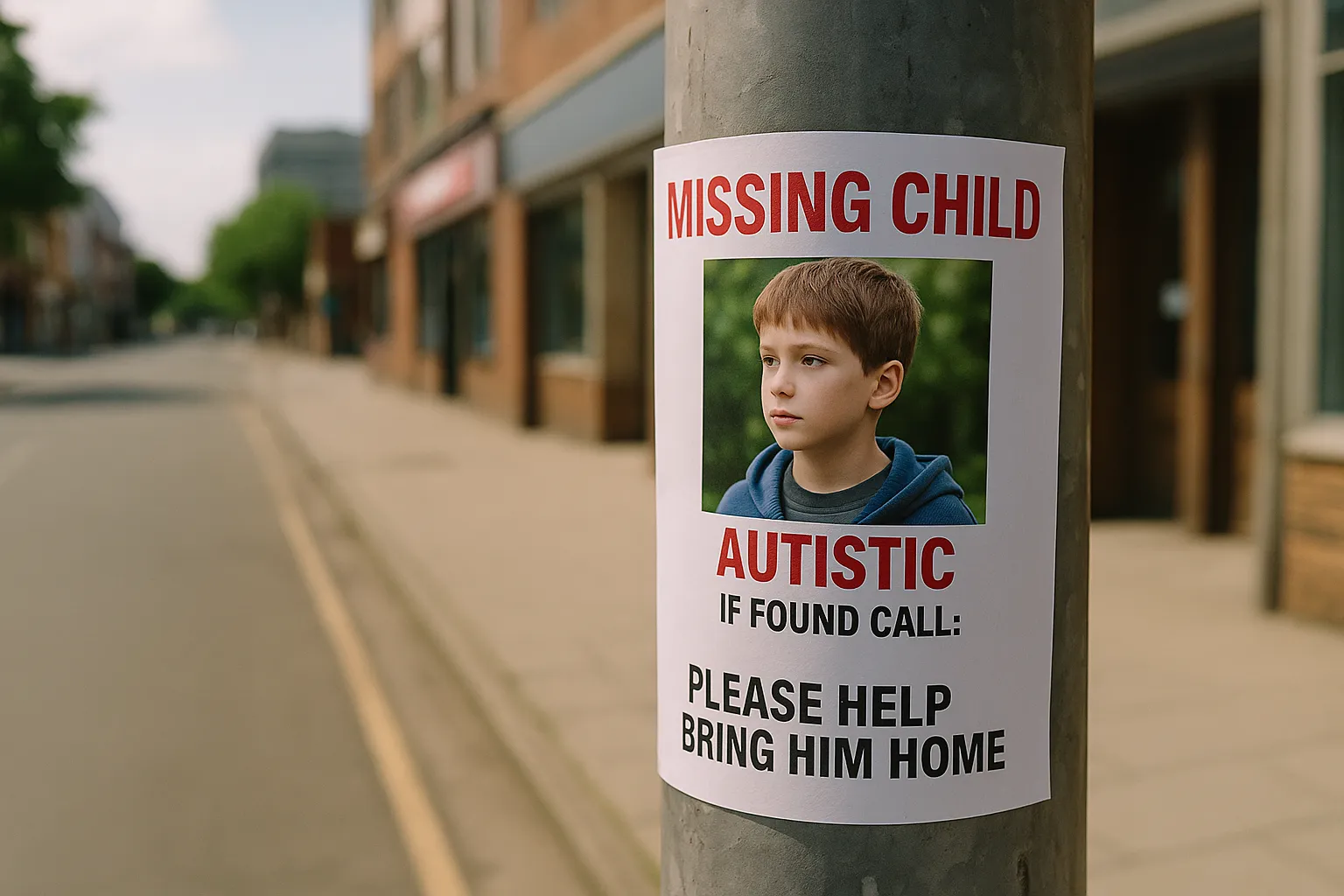
– Autistic children at greater risk of going missing.
– Lack of research hampers understanding of the issue.
– Tailored interventions needed to support vulnerable youth.
– Missing People launches SafeCall service for children in crisis.
– Police acknowledge additional risks for neurodivergent children.
Full Story
A pressing issue affecting the safety of autistic children has emerged, as a prominent charity underscores the risks these young individuals face when they go missing. Missing People, the UK’s sole charity focused on reuniting people with their families, has called for immediate national attention to this matter, which it describes as a hidden crisis.
The charity has voiced concerns that neurodivergent children could be at a greater risk of going missing than previously acknowledged. Autistic children, while vulnerable, may also encounter heightened dangers such as exploitation during periods of absence. Despite the increasing alarm voiced by services on the ground, Missing People stresses that insufficient formal research exists to ascertain the true extent of the issue. Current findings hint that the reality is likely more severe than contemporary records suggest, leading to many autism spectrum disorder (ASD) children lacking the specialised support necessary for their safety.
To address this pressing need, Missing People is advocating for bespoke interventions tailored to prevent these young individuals from falling through the cracks. The charity warns that without appropriate action, autistic children at risk of disappearing may find themselves in potentially harmful situations during critical crises.
Josie Allan, who leads policy and partnerships at Missing People, highlighted the ongoing predicament: “I think there are probably autistic young people being reported missing over and over again because we’re not intervening with the right support – that means people are continuing to be exposed to harm because we don’t know how to help them in the right way.”
In response to the dire need for support, Missing People has partnered with The Independent to introduce a novel service called SafeCall, designed to offer essential resources for children navigating crises. This initiative aims to raise £165,000, which will fund a free service intended to assist the approximately 70,000 children reported missing each year in the UK. Currently, the charity manages to reach about 25% of those children, but with additional support, SafeCall can extend its assistance significantly.
Jane Hunter, the head of research and impact at Missing People, elaborated on the unique vulnerabilities faced by autistic individuals, explaining that they often encounter a greater number of factors correlated with going missing, including mental health challenges and exploitation risks. Furthermore, characteristics associated with autism, such as increased susceptibility to feeling overwhelmed or excessive trust in others, can frequently trigger instances of disappearance.
According to the National Autistic Society (NAS), autism spectrum disorder is a lifelong developmental condition influencing how individuals perceive their environment and interact with others. Its spectrum nature signifies that those on the autism spectrum may experience varying needs and challenges.
Dr Ann Ozsivadjian, a clinical psychologist and visiting senior lecturer with expertise in ASD and related neurodevelopmental issues, noted that there is widespread recognition, from both research and clinical perspectives, that autistic individuals are more prone to trauma and adverse experiences. These factors can underpin the circumstances leading to a person going missing.
Dr Ozsivadjian identified several pivotal elements that may contribute to an autistic young person’s decision to leave their known environment. She indicated that previous trauma, increased mental health issues, such as anxiety or depression, and the mental fatigue from attempting to conform to neurotypical expectations could all play a role.
Dr Elena Touroni, a consultant psychologist and co-founder of the Chelsea Psychology Clinic, further explained how an abrupt departure might be a strategy employed to reclaim a sense of control. She emphasised that when an autistic youth goes missing, they may become even more susceptible to adverse conditions. They often struggle with understanding others’ intentions, making them vulnerable to abuse or manipulation. Additionally, communication barriers may hinder their ability to seek help or reconnect with trusted individuals.
A supportive environment, marked by predictability and calmness, is crucial for autistic individuals, as highlighted by Dr Touroni. When adults engage with understanding rather than judgement, it can significantly impact a young person’s well-being.
Yet, Jane Hunter emphasises that the response received by autistic children from authorities when they go missing is frequently inadequate, sometimes exacerbating the situation. She advocates for improved, targeted support for neurodiverse youth. “I’d be astonished if there wasn’t an overrepresentation of autistic people who go missing,” she stated, adding that optimal support is rarely received.
The importance of identifying the true extent of this overrepresentation is paramount for effective intervention. Josie Allan reiterated this necessity, stating, “If you don’t know how big that overrepresentation is, then you can’t respond appropriately… We’re missing opportunities for prevention.”
In recognition of this issue, a spokesman from the National Police Chiefs’ Council (NPCC) noted the considerable volume of missing person reports received daily—over 1,000 on average throughout the UK. Each report is meticulously assessed to determine the level of risk, which informs the appropriate resources allocated for finding the missing individual.
The police, while acknowledging the additional challenges associated with neurodivergent children, strive to improve the response in such cases. The NPCC spokesperson mentioned dedicated teams who focus not only on the recovery of missing individuals but also on collaborating with partner organisations to tackle root causes and prevent repeat incidents.
To enhance the support provided to vulnerable children, there is an urgent need for public contributions. The SafeCall campaign, which seeks to raise the necessary funds for this crucial service, highlights the importance of collective action in safeguarding the futures of young people.
For immediate assistance or guidance, those affected can reach out to Missing People via confidential methods, ensuring a non-judgmental approach to seeking help.
This multifaceted issue calls for comprehensive strategies and support to ensure the safety and well-being of autistic children across the UK, helping prevent the heartbreak of missing persons cases.
Our Thoughts
The article highlights the significant risks faced by autistic children when they go missing, emphasizing the need for tailored support interventions. To prevent these incidents, the following measures could have been implemented:
1. **Proactive Support**: Regular assessments and support systems could be established for neurodivergent children to identify triggers that might lead to them going missing, thereby providing preemptive interventions.
2. **Training for Authorities**: Frontline services should receive training on autism awareness and engagement strategies to ensure they are equipped to understand and adequately respond to neurodivergent individuals during crises.
3. **Data Collection**: Enhanced data collection and research on incidence rates and causes of missing episodes among autistic children would enable targeted preventative strategies and resource allocation.
The potential breaches of UK Health and Safety legislation may include failing to protect vulnerable individuals by not providing sufficient safety measures and support, contravening the Health and Safety at Work Act 1974, which mandates the need for adequate training and support in safeguarding vulnerable populations. To mitigate future incidents, a robust framework incorporating these recommendations should be developed to ensure autistic children’s safety and support.


This is a vital issue. Missing autistic children are exceptionally vulnerable and services must adapt quickly to meet their specific needs. Practitioners and agencies should prioritise training on autism awareness, information sharing between emergency services and support organisations, and proactive outreach to families to reduce response times. The SafeCall initiative is a positive step but it needs sustainable funding and integration with schools, social care and police to be effective. Collecting detailed data and commissioning targeted research will help shape interventions that prevent harm rather than respond after a crisis.
This is a vital spotlight on a serious and growing problem. Autistic children can become overwhelmed or disoriented in unfamiliar situations and may be at increased risk of harm, exploitation or trauma when they go missing. We need better data and research to understand the specific circumstances and triggers so services can be designed to prevent disappearances and respond quickly and appropriately when they occur. Practical steps include timely family and professional training on elopement risks, stronger information sharing between agencies, clear search protocols that account for sensory and communication needs, and funding for tailored support services like SafeCall. Early prevention, joined up multiagency responses and investment in specialist outreach will reduce harm and save lives.
This is a vital wake up call. Missing autistic children face specific risks that standard responses may not address, so services like SafeCall are urgently needed. Investment in tailored support training for responders, better data and research on neurodivergent needs, and closer partnership between charities, families and statutory services will help prevent harm and improve outcomes.
This is a timely and important reminder that autistic children and neurodivergent young people need bespoke safeguarding measures. When they go missing they can be less able to navigate unfamiliar situations and more vulnerable to exploitation or harm. Practical steps include targeted training for police and first responders on communication and sensory needs, quicker risk assessments that factor in neurodiversity, better sharing of information between agencies, and funding for services like SafeCall that provide tailored support. Investing in prevention work, trusted community networks and specialist return interviews will reduce repeat incidents and improve outcomes for these children and families.