












10 Workplace Safety Failures
Last updated: 7 September 2026
Author: Jade Anderson, Senior Reporter, UK-Safety.News
Reading time: about 13 minutes
What this guide covers
- What the latest HSE figures say
- 1. Falls from height
- 2. Struck by a moving vehicle
- 3. Struck by a moving or falling object
- 4. Trapped by something collapsing or overturning
- 5. Contact with moving machinery
- 6. Slips, trips and falls on the same level
- 7. Manual handling
- 8. Exposure to harmful substances
- 9. Fire and explosion
- 10. Poor management systems
- How to audit your own site against the ten
- Frequently asked questions
- Further resources
What the latest HSE figures say
HSE’s provisional figures for 2025/26 record 126 workers killed in work related accidents in Great Britain, the lowest annual total on record, with a further 104 members of the public killed. The non fatal picture, from 2024/25 RIDDOR returns, is a different but equally familiar list.
| Kind of accident | Worker deaths 2025/26 (provisional) | Share of employer reported non fatal injuries 2024/25 |
|---|---|---|
| Falls from a height | 31 | 8% |
| Struck by moving vehicle | 24 | Outside the top five |
| Struck by moving, including flying or falling, object | 21 | 10% |
| Trapped by something collapsing or overturning | 18 | Outside the top five |
| Contact with moving machinery | 10 | Outside the top five |
| Slips, trips or falls on the same level | Rarely fatal | 30% |
| Handling, lifting or carrying | Rarely fatal | 17% |
| Acts of violence | Small number | 10% |
Source: HSE fatal injury statistics 2025/26 and non fatal injury statistics 2024/25. Over the five years to 2025/26, falls from height averaged 37 deaths a year, 28% of the total, and around a third of the workers killed were self employed.
The events that kill are height, vehicles and stored energy; the events that fill the accident book are floors and loads. Manage only one list and you are exposed on the other.
1. Falls from height
What goes wrong
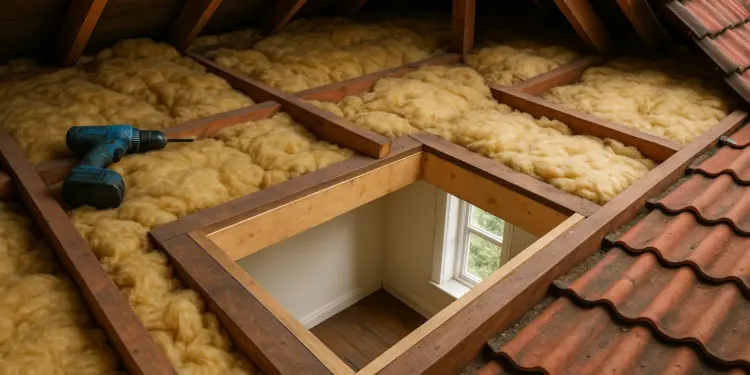
Workers fall through fragile roof sheets and unprotected openings, from ladders used for the wrong job, and from unguarded edges.
Why it happens
The task is short, so nobody plans it. The roof “looks solid” and nobody checked.
What the law requires
The Work at Height Regulations 2005 apply to employers and anyone who controls work at height. Work must be properly planned, supervised and carried out by competent people. The hierarchy: avoid work at height where reasonably practicable, prevent falls using a safe place or the right equipment, then minimise the distance and consequences of any fall. Ladders are for light work of up to 30 minutes at a time.
What good looks like
A written plan for every job at height. Fragile surfaces marked and treated as fragile until proved otherwise. Edge protection before roof work starts. See our guide to working at height under the 2005 Regulations.
Prosecution
In February 2025 a bricklayer repairing a Northumberland farm roof fell about eight feet through a polycarbonate sheet and suffered serious spinal injuries. Len Smith & Son Building Contractors Limited pleaded guilty to breaching sections 2(1) and 3(1) of the Health and Safety at Work etc. Act 1974 and was fined £20,000 with £5,744 costs at North Tyneside Magistrates’ Court on 6 August 2026.
2. Struck by a moving vehicle
What goes wrong
Pedestrians are hit by reversing lorries, forklifts and telehandlers in yards and warehouses.
Why it happens
Vehicles and people share the same space with only paint between them. Reversing is unmanaged.
What the law requires
Regulation 17 of the Workplace (Health, Safety and Welfare) Regulations 1992 requires workplaces to be organised so that pedestrians and vehicles can circulate safely. The Provision and Use of Work Equipment Regulations 1998 (PUWER) cover vehicles and driver competence. HSE’s guidance is HSG136: safe site, safe vehicle, safe driver.
What good looks like
Physical segregation: barriers, separate doors, protected crossings. One way systems that remove reversing. Lift truck operators trained, authorised and reassessed. See our guide to workplace transport safety.
Prosecution
In September 2024 a worker at an Aberdeen harbour yard suffered serious fractures when a reversing forklift struck him; HSE found the traffic management plan lacked detail. Streamline Shipping Agencies Limited pleaded guilty to breaching regulation 17(1) of the Workplace (Health, Safety and Welfare) Regulations 1992 and was fined £146,700 at Aberdeen Sheriff Court on 22 May 2026.
3. Struck by a moving or falling object
What goes wrong
Loads fall from forks, cranes and lorry loaders. Racking topples. Stored energy releases: a spring, a pressurised line, a wrench slipping under load.
Why it happens
Loads are not slung correctly. Damaged racking goes unreported. Exclusion zones are not enforced.
What the law requires
The Lifting Operations and Lifting Equipment Regulations 1998 (LOLER) require lifting operations to be planned by a competent person, supervised and carried out safely, with equipment thoroughly examined at set intervals. PUWER 1998 regulation 5 requires equipment to be maintained in good repair. Regulation 10 of the Workplace Regulations 1992 covers stacking.
What good looks like
Every lift planned, with a named person in charge. Exclusion zones policed. Racking load rated, inspected and repaired when struck. Two person rules enforced.
Prosecution
In September 2024 a worker in Larkhall was killed when two granite slabs weighing over 900 kg fell from a lorry loader. HSE found safety posts removed, no instructions for multiple slab lifts, and the worker alone despite a two person rule. Blyth Marble Limited pleaded guilty to breaching section 2(1) of the Health and Safety at Work etc. Act 1974 and was fined £50,000 at Hamilton Sheriff Court on 28 January 2026.
4. Trapped by something collapsing or overturning
What goes wrong
Dumpers, telehandlers and tractors overturn on slopes or soft ground. Trench sides, walls and scaffolds collapse onto people.
Why it happens
Seat belts are not worn, so rollover protection cannot do its job. Excavation edges are not fenced. Temporary works are improvised.
What the law requires
Part III of PUWER 1998 covers mobile work equipment, including the duty to minimise rollover risk and provide operator restraint. The Construction (Design and Management) Regulations 2015 require excavations, structures and demolition to be planned and controlled so that they do not collapse.
What good looks like
Seat belts worn every time, enforced by supervisors. Stop blocks and barriers set well back from excavation edges. Temporary works designed by someone competent. Our guide to managing contractors under CDM 2015 explains who holds these duties on a shared site.
Prosecution
In October 2022 a worker on a housing site near Wigan suffered crushing leg injuries when a one tonne dumper overturned. HSE found operators had been told not to wear seat belts and excavations lacked barriers. Jim Yates & Sons Limited pleaded guilty to breaching section 2(1) of the Health and Safety at Work etc. Act 1974 and was fined £20,000 with £4,824 costs at Warrington Magistrates’ Court on 14 July 2026.
5. Contact with moving machinery
What goes wrong
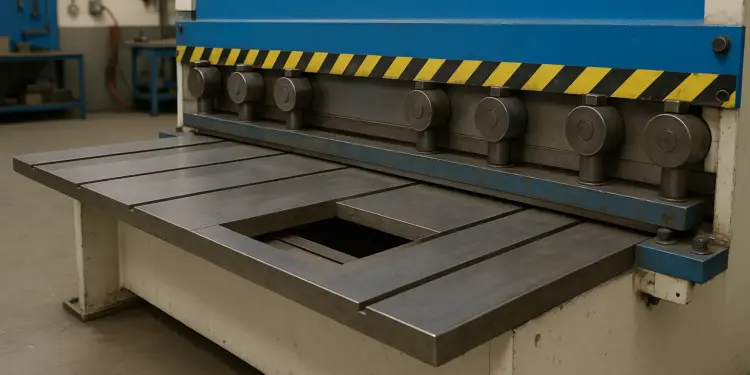
Hands are drawn into rollers, saws and conveyors. Maintenance staff are caught when an unisolated machine restarts.
Why it happens
Guards are missing or bypassed with a cable tie. Clearing a jam with the machine running is faster, so everyone does it.
What the law requires
PUWER 1998 requires work equipment to be suitable, maintained, inspected and used only by trained people. Regulation 11 requires effective measures to prevent access to dangerous parts, with fixed guards first in the hierarchy. Regulation 19 requires means to isolate equipment from all energy sources. The Approved Code of Practice is L22.
What good looks like
Fixed guards where access is not needed, interlocked guards where it is, tested to confirm they work. A written isolation procedure with personal locks for every machine. See our guide to lock out tag out.
Prosecution
In August 2024 two workers at a Leeds plastics firm lost fingers in separate incidents ten days apart; HSE found inadequate guarding, training and risk assessment. Commercial Lines Limited, trading as HLN Supplies, pleaded guilty to breaching section 2(1) of the Health and Safety at Work etc. Act 1974 and regulation 3(1) of the Management of Health and Safety at Work Regulations 1999 and was fined £16,000 with £6,534 costs at Leeds Magistrates’ Court on 26 March 2026.
6. Slips, trips and falls on the same level
What goes wrong
Wet or contaminated floors, trailing cables, uneven surfaces, poor lighting and the wrong footwear. The absences are long.
Why it happens
Slips are treated as bad luck rather than an engineering problem. The floor was chosen for looks, not grip.
What the law requires
Regulation 12 of the Workplace (Health, Safety and Welfare) Regulations 1992 requires floors and traffic routes to be suitable, free from holes and dangerous slopes, and kept free of obstructions and substances that could cause a slip. The 1974 Act protects visitors and customers as well as staff.
What good looks like
Stop contamination at source: fix the leak, contain the spill, put the mat where the water arrives. Specify flooring by measured slip resistance. Footwear chosen for the floor.
Prosecution
HSE’s published slips case studies include a fast food kitchen where a cook slipped on a wet floor, pulled a deep fat fryer over and was covered in 35 litres of boiling oil. HSE identified poor floor maintenance, inadequate cleaning, unsuitable footwear and low slip resistance tiles. The company pleaded guilty to two offences and was fined £60,000 with £16,000 costs.
7. Manual handling
What goes wrong
Back, shoulder and knee injuries from lifting sacks, cases, patients and equipment, often building up over months.
Why it happens
The load, layout and pace are fixed and the worker is expected to adapt. Mechanical aids are bought and then parked.
What the law requires
Regulation 4 of the Manual Handling Operations Regulations 1992 sets a clear order: avoid hazardous manual handling so far as reasonably practicable; assess what cannot be avoided; reduce the risk to the lowest level reasonably practicable. HSE’s guidance is L23 and the leaflet INDG143.
What good looks like
Smaller unit weights agreed with suppliers. Hoists, trolleys and vacuum lifters in the work area and maintained. For the office end of the problem see our guide to DSE and healthy workstations.
Prosecution
In December 2024 HSE found workers at a Buckingham bakery ingredients manufacturer lifting 25 kg sacks by hand daily and exposed to dust above workplace limits, repeating findings from 2021. Puratos Limited pleaded guilty to breaching section 2(1) of the Health and Safety at Work etc. Act 1974 and was fined £120,000 with £6,270 costs at Milton Keynes Magistrates’ Court on 17 July 2026.

8. Exposure to harmful substances
What goes wrong
Silica dust from cutting stone and concrete. Asbestos disturbed during refurbishment. Wood dust, flour dust, welding fume and solvents. The harm is slow and often incurable.
Why it happens
Nobody can see the dose. Extraction is never tested. Masks are issued without face fit testing. The asbestos survey is not done or not read.
What the law requires
The Control of Substances Hazardous to Health Regulations 2002 (COSHH) require the employer to assess the risk, prevent or adequately control exposure, maintain and test the controls, provide health surveillance where appropriate, and inform and train workers. The Approved Code of Practice is L5 and the exposure limits are in EH40. Asbestos falls under the Control of Asbestos Regulations 2012, including the duty to manage asbestos in non domestic premises.
What good looks like
Substitute the substance or process first: water suppression, on tool extraction, pre cut materials. Local exhaust ventilation tested at least every 14 months. Respirators face fit tested. An asbestos survey before disturbing any building built before 2000. Start with our COSHH basics guide and our guide to the Control of Asbestos Regulations 2012.
Prosecution
At a Cannock demolition site in September 2023, work began despite known asbestos and 218 square metres of asbestos containing material was disturbed; an unlicensed firm had been used to clear it. Sohan Group Limited was fined £74,900 and Maize Metals Limited £13,400 under the Construction (Design and Management) Regulations 2015, and the site manager received a suspended prison sentence and a five year disqualification, at Birmingham Magistrates’ Court on 6 March 2026.
9. Fire and explosion
What goes wrong
Flammable liquids and gases leak and find an ignition source. Combustible dusts build up and explode. Hot work sets fire to buildings.
Why it happens
Corrosion creates leaks nobody is looking for. Hot work permits are treated as paperwork. The fire risk assessment describes a building that no longer exists.
What the law requires
The Dangerous Substances and Explosive Atmospheres Regulations 2002 (DSEAR) require employers to identify dangerous substances, remove or control the risks, mitigate the effects of any incident, classify zones where explosive atmospheres may occur and keep ignition sources out, train employees and prepare emergency plans. General fire safety falls under the Regulatory Reform (Fire Safety) Order 2005, which requires a fire risk assessment by the responsible person. PUWER 1998 regulation 6 requires equipment exposed to deterioration to be inspected at suitable intervals.
What good looks like
Flammable stocks minimised and stored in cabinets. Zoned areas with rated electrical equipment. Hot work permits with a fire watch after the work stops. A fire risk assessment reviewed whenever the building or process changes. Our guide to fire risk assessment under the Fire Safety Order sets out the process.
Prosecution
Between 2018 and 2019 a gas processing plant at Mossmorran in Fife suffered five leaks of extremely flammable hydrocarbons, all caused by corrosion under insulation; HSE found inspection of insulated pipework was inadequate. ExxonMobil Chemical Limited pleaded guilty to breaching regulation 6(2) of PUWER 1998 and was fined £267,000 at Kirkcaldy Sheriff Court on 25 August 2026.
10. Poor management systems
What goes wrong
The failure behind the other nine. No risk assessment, or a generic one never read. No competent person. Near misses unreported. Enforcement notices filed rather than acted on.
Why it happens
Health and safety is held alongside a day job, with no time and no authority. Directors assume it is handled.
What the law requires
The Management of Health and Safety at Work Regulations 1999 require every employer to make a suitable and sufficient risk assessment (regulation 3), recorded where there are five or more employees; to have arrangements for planning, organising, controlling, monitoring and reviewing (regulation 5); to appoint competent persons (regulation 7); and to provide training (regulation 13). HSE’s model is HSG65, built on Plan, Do, Check, Act. Section 37 of the 1974 Act makes directors personally liable for offences committed with their consent, connivance or neglect.
What good looks like
Task specific risk assessments written with the people who do the work. A named competent person with the skills, knowledge and experience to recognise the hazards in your business. Every incident and near miss reported, investigated and closed with an owner and a date. Our guides to reporting safety incidents and understanding RIDDOR cover the learning loop.
Prosecution
HSE inspectors at a Cornish sawmill found lift trucks operated without training, respirators never face fit tested and wood dust exposure without health surveillance; improvement notices were served and ignored. Truro Sawmills Limited was fined £20,000 with £5,000 costs, and its managing director £5,000 with £2,500 costs and a five year disqualification, at Truro Crown Court on 20 August 2026, for breaching section 2(1) of the Health and Safety at Work etc. Act 1974 and failing to comply with the notices.

How to audit your own site against the ten
Walk the site with this table, check the evidence, and record a red, amber or green rating with an action and an owner. Repeat quarterly and after any significant change.
| Failure | Question on the walk | Evidence to check | Red flag |
|---|---|---|---|
| 1. Falls from height | Who is above ground level today, and how was it planned? | Method statement, scaffold or MEWP inspection, fragile roof register | Ladder used as a workplace; no edge protection |
| 2. Moving vehicles | Where do people and vehicles meet, and what physically separates them? | Traffic plan, lift truck authorisations, reversing arrangements | Pedestrians in loading bays; paint lines only |
| 3. Falling objects | What is above head height and what holds it there? | LOLER examination reports, racking inspections, lift plans | Damaged racking; no exclusion zone |
| 4. Collapse and overturn | Where could plant tip or ground give way? | Seat belt use, excavation support, temporary works design | Belts fastened behind operators; unprotected trench |
| 5. Machinery | Can I reach a dangerous part while it moves? | Guard checks, interlock tests, isolation procedure and locks | Bypassed interlock; jams cleared while running |
| 6. Slips and trips | Where is the floor wet, uneven or cluttered, and why? | Cleaning regime, spill response, flooring specification, footwear | Permanent wet floor signs; unresolved leaks |
| 7. Manual handling | What is lifted by hand that could move another way? | Manual handling assessments, aids present and used | Aids parked; heavy sacks lifted routinely |
| 8. Harmful substances | What can people breathe or touch, and does the control work? | COSHH assessments, LEV tests, face fit records, health surveillance, asbestos register | Dry sweeping; masks without fit tests; no asbestos survey |
| 9. Fire and explosion | What could burn or explode, and what would set it off? | DSEAR assessment, fire risk assessment review date, hot work permits | Wedged fire doors; open flammables; dust layers |
| 10. Management | Who owns health and safety here, and what changed last month? | Risk assessment review dates, competent person, training matrix, action log, open notices | Generic assessments; no near miss reports; overdue actions |
Ask of each row: is the control present, and is it used? Most of the prosecutions above involved a control that existed on paper.
Frequently asked questions
Which of the ten should a small business tackle first?
Start with number 10: a working risk assessment, a competent person and a reporting loop let you find and fix the other nine. Then deal with whichever of the fatal five is present in your work.
Do these regulations apply to the self employed?
Largely yes. Self employed people whose work could put others at risk are covered by the Health and Safety at Work etc. Act 1974, and the Work at Height, PUWER, COSHH and asbestos regulations apply to them directly.
Is a fine the only consequence?
No. Two cases above involved individuals: a suspended prison sentence and a five year director disqualification. Enforcement notices are public, Fee for Intervention charges start when a material breach is found, and civil claims follow.
Our accident book only shows minor slips. Are we low risk?
Not necessarily. The events that kill often produce no accident book entries until the serious one. Look at near misses and the audit table, not last year’s injuries alone.
Do we need a written risk assessment with fewer than five employees?
The duty to assess applies to every employer; the duty to record significant findings applies from five employees. Write it down anyway, as evidence the assessment was done.
Further resources
- HSE: Work-related fatal injuries in Great Britain 2025/26
- HSE: Non-fatal injuries at work in Great Britain
- HSE: Introduction to working at height safely
- HSE: Workplace transport safety (HSG136)
- HSE: PUWER overview (L22)
- HSE: Managing risks and risk assessment at work
- HSE Media Centre: prosecution press releases
- UK-Safety.News: Working at Height
- UK-Safety.News: COSHH Basics
This guide is general information for Great Britain and is not legal advice. Check the current HSE guidance before acting on a specific case.
About the author: Jade Anderson specialises in turning regulations into practical steps for supervisors and safety leads.