
















Story Highlight
– Jersey Gas faces criminal charges after house explosion.
– Health and Safety Inspectorate conducted an investigation.
– Charge relates to public safety violations in 1989 law.
– Four individuals hospitalized following June 2024 incident.
– Court hearing scheduled for 4 December in Jersey.
Full Story
Jersey’s energy supplier, operating as Island Energy, is facing impending criminal action related to a significant incident at a domestic property, according to the latest updates from the Health and Safety Inspectorate. The company, widely recognized for its role in providing gas services across the island, is being charged under article 21 of the Health and Safety at Work (Jersey) Law 1989. This law mandates companies to ensure the health and safety of individuals who are not in their employment, including the public at large.
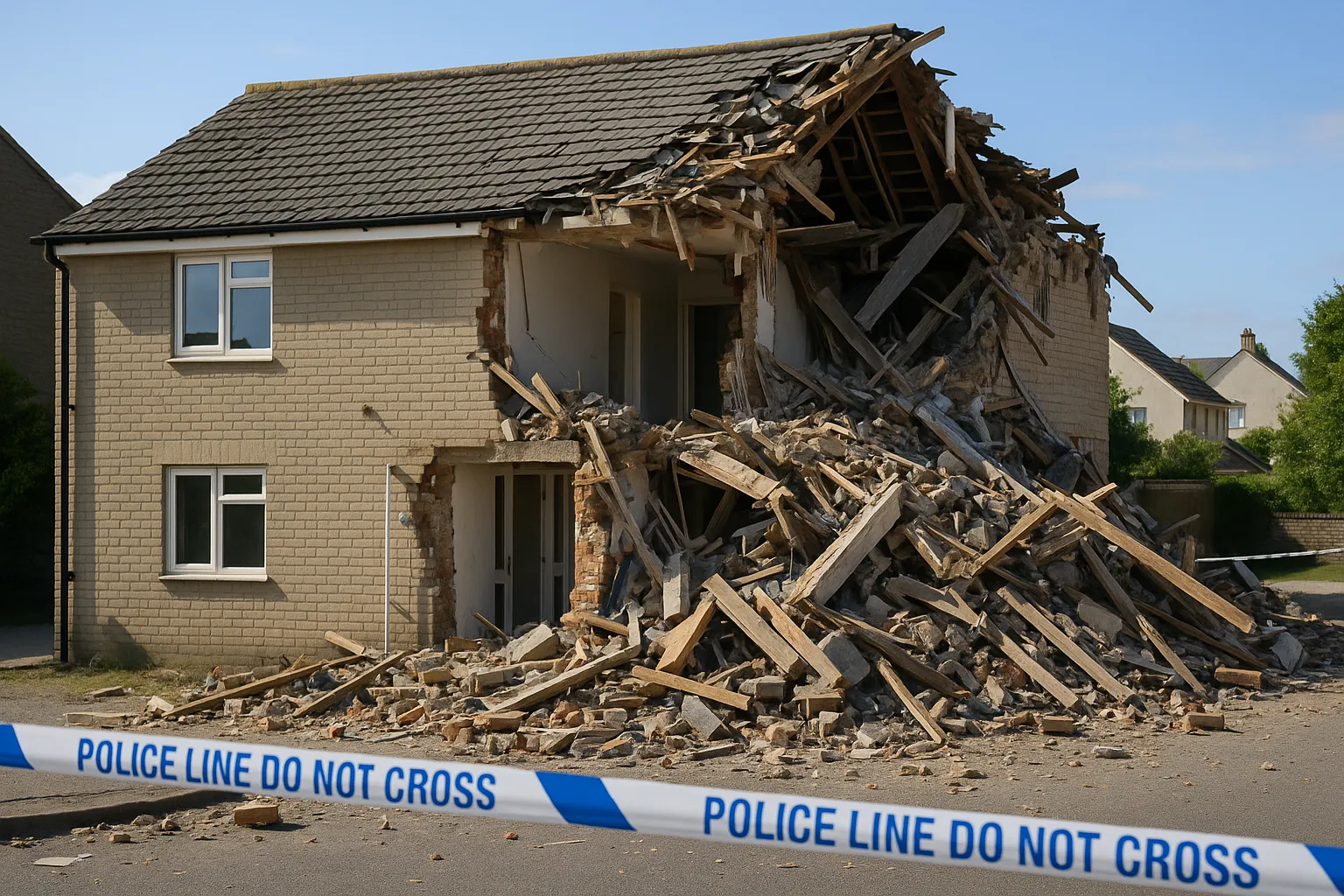
The charges stem from an alarming event that occurred in June 2024, when an explosion led to the evacuation of a family from a home in St Saviour. The incident resulted in injuries requiring medical attention for two adults and two children who were subsequently transported to a local hospital after being rescued from the severely damaged property.
An inquiry conducted by the Health and Safety Inspectorate revealed lapses in safety protocols that prompted the decision to pursue criminal charges. The seriousness of the situation has garnered considerable attention within the community, concerned about the implications for public safety and the accountability of service providers.
The formal proceedings against Island Energy are scheduled to take place at Jersey’s Magistrates’ Court on 4 December. This event is being watched closely by local residents and industry experts alike, as it may set a precedent regarding the responsibilities of energy suppliers in maintaining safety standards.
This incident raises critical questions regarding energy safety regulations and the measures in place to protect not only those directly employed in the energy sector but also the broader public. Local representatives have been urged to ensure that stringent safety measures are adhered to, reflecting a community that values the well-being of its residents.
The occurrence of the explosion highlights potential issues within the hazardous materials management protocols that energy companies are required to follow. The Health and Safety Inspectorate’s investigation aims to assess whether Island Energy met these obligations and, if found lacking, what penalties may be warranted.
In the wake of the explosion, community discussions have been centred around the safety practices of gas providers and the wider implications for energy management on the island. Residents are increasingly vocal about the need for transparency and action, seeking reassurance that such incidents are unlikely to happen again.
Local authorities have expressed their commitment to thorough oversight of safety standards. They will be closely monitoring any legal developments resulting from the charges against Island Energy and addressing public concerns about gas safety standards. An array of stakeholders, from consumer advocacy groups to local government officials, are poised to engage in dialogue about enhancing safety measures.
Experts in energy safety have commented on the situation, emphasizing the critical nature of compliance with health and safety legislation. Industry professionals argue that gas service providers must have robust protocols for managing risks associated with gas installations. This incident serves as a clarion call for all energy companies to reassess their safety frameworks to prevent future occurrences.
As the court hearing approaches, the community remains on high alert, keenly aware of the impacts of the outcome. Many are hopeful that the judicial process will result in more rigorous standards and practices that prioritise public safety above all else.
The plight of the affected family is also a focal point of conversations in the aftermath of the explosion. As they recover from their ordeal, there is a community call for support for those who may have suffered emotional and physical distress due to the incident. Local support services are preparing to assist those in need, demonstrating a spirit of solidarity within Jersey.
Future considerations will also revolve around policy revisions that might arise from this case. Key policymakers are likely to evaluate whether current regulations offer sufficient protection for the public and how they can be updated to reflect best practices in safety management.
Ultimately, the case against Island Energy will not only address the specific incident in St Saviour but may also have broader implications for the entire industry in Jersey. A subsequent examination of safety regulations could lead to increased scrutiny of energy companies and their compliance with health and safety laws.
As the legal process unfolds, both the community and experts alike await the court’s decision. The incident serves as a stark reminder of the responsibilities held by energy providers in maintaining the safety and well-being of the public.
Our Thoughts
The incident involving Jersey Gas highlights significant lapses in safety management. To prevent such occurrences, a thorough risk assessment should have been conducted as per the Health and Safety at Work Act 1974, ensuring that potential hazards associated with gas installations were identified and mitigated. Regular maintenance and safety checks on equipment could have detected potential risks prior to the explosion.
Enhancing training for employees about emergency protocols and safe operational procedures is crucial to minimize hazards. Additionally, establishing clear communication channels for reporting safety concerns would help in identifying risks promptly.
The charge under article 21 of the Health and Safety at Work (Jersey) Law 1989 indicates a serious breach of duty of care towards the public. A more robust adherence to safety regulations and a proactive safety culture could have been established to protect not only employees but also the surrounding community.
To prevent similar incidents in the future, energy providers must strictly adhere to relevant regulations, maintain rigorous safety standards, and prioritize ongoing training and risk assessments.