
















Story Highlight
– Indoor air often more polluted than outdoor air.
– Rain increases humidity; encourages mould and allergens.
– Open windows for ventilation during light rain.
– Use dehumidifiers and ventilation systems indoors.
– Regular air circulation promotes healthier home environment.
Full Story
Rain or shine, indoor air quality remains a crucial consideration for homeowners. Surprisingly, the air inside homes can often be more polluted than that found outdoors, primarily due to humidity levels and common household activities. The impact of rain on indoor air quality is significant: as moisture levels rise, it creates an environment that encourages the growth of mould, bacteria, and allergens. Everyday actions, including showering, cooking, and even breathing, release moisture into the air. If this water vapour has nowhere to escape, it accumulates on windows, walls, and ceilings.
A prevalent misconception exists that rainy weather leads to heavier, more damp outdoor air. However, contrary to this belief, once the rain warms slightly, the air can become drier than that trapped inside an enclosed home, particularly after it has been sealed off for extended periods. Therefore, even a brief moment of opening a window can allow fresh air to clear away condensation and stale smells.
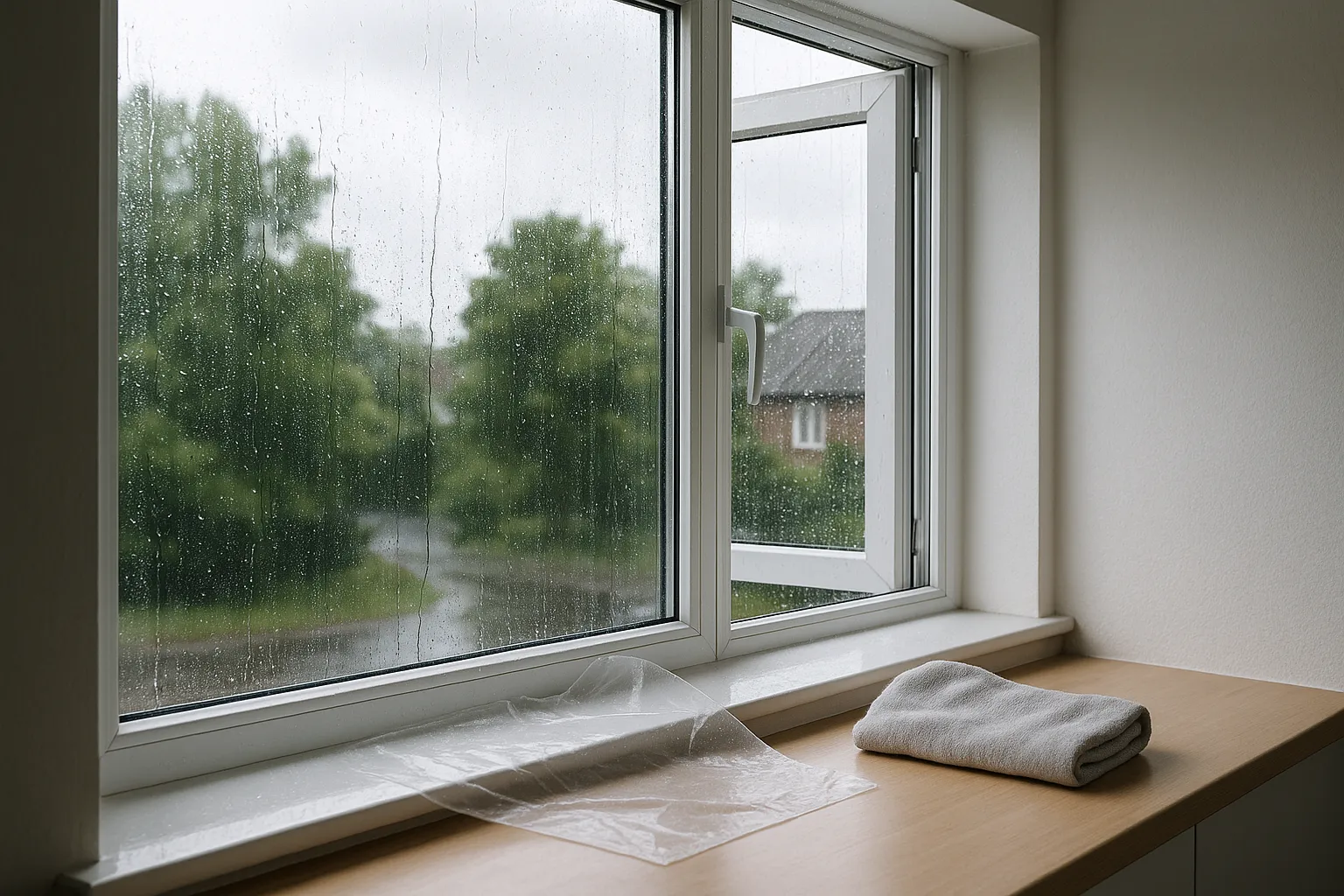
Nevertheless, ensuring ventilation during rainy weather requires a degree of caution. When rain is coupled with strong winds or lightning, it is prudent to keep windows closed until conditions improve. On calmer days, monitoring wind direction can help homeowners decide which windows to open. A short, strategic ventilation session can greatly enhance indoor air quality. Opening windows on opposite sides of the house creates a gentle cross-breeze, allowing air to circulate while preventing rain from entering. If some moisture does manage to get inside, an absorbent towel or plastic sheet can safeguard floors and furniture from damage.
Homeowners can also take advantage of breaks during patchy rain. The brief dry spells present an opportune moment to open roof windows or skylights, where even minimal airflow can rejuvenate an entire room.
Personal experiences often underscore these principles. One homeowner notes that consistent ventilation in the kitchen and bathroom following rainfall has provided notable benefits. The fogging of mirrors has reduced significantly, and the unpleasant musty odour that can accompany high humidity has not made an appearance.
In circumstances where opening windows is not feasible due to adverse weather, several alternative strategies can keep indoor air feeling fresh. Begin by managing indoor temperatures; when rooms are warmer than the outside air, condensation tends to form on windows. Slightly lowering the temperature of the heating system helps mitigate this issue, keeping moisture at bay.
Additionally, utilising ventilation technology can make a substantial difference. A properly maintained mechanical ventilation system (VMC) or an extractor fan is effective at expelling humid air, particularly in areas like bathrooms and kitchens. Homeowners should be vigilant about the condition of their systems, as blocked filters are a common hindrance to effective ventilation.
In winter months, a dehumidifier can be invaluable. While this device cannot fully replace the advantages of natural air movement, it is instrumental in removing excess moisture, which in turn protects walls, ceilings, and soft furnishings from potential damp damage.
Despite the advancements in technology aimed at improving indoor air quality, nothing can replicate the refreshing crispness of outdoor air. Even on rainy days, the simple act of opening a window for a few minutes can significantly improve both the atmosphere inside the home and the wellbeing of its residents.
Consequently, rainy weather should not serve as an excuse for sealing off homes entirely. Instead, such days could provide the optimal conditions for letting fresh air circulate within. A quick burst of ventilation can effectively diminish indoor pollutants, maintain humidity balance, and prevent the growth of mould, along with the musty smells often associated with stagnant air.
Establishing this practice as part of a daily routine is not only beneficial for maintaining the air quality but also for overall health and comfort within the home. Regular ventilation habits contribute positively to long-term wellbeing and peace of mind for those living indoors.
Our Thoughts
The article highlights issues related to indoor air quality and humidity management, emphasizing the importance of proper ventilation during rainy weather. To improve safety and health within homes, adherence to relevant UK health and safety legislation, such as the Health and Safety at Work etc. Act 1974, is essential.
Key improvements could include implementing effective ventilation systems, regularly servicing mechanical ventilation equipment, and ensuring extractor fans in kitchens and bathrooms are maintained to prevent humidity buildup. These measures align with the Workplace (Health, Safety and Welfare) Regulations 1992, which stipulate that workplaces, including residential environments, must have adequate ventilation.
Educating homeowners on the dangers of indoor air pollutants and the benefits of proactive ventilation is critical. Additionally, manufacturers and providers of home ventilation equipment can enhance safety by offering user-friendly guides for maintenance and operation.
To prevent similar issues, regular monitoring of indoor humidity levels and air quality can inform necessary actions, thereby reducing health risks associated with mould and allergens. Ultimately, promoting awareness and proper equipment maintenance can significantly improve indoor air quality and overall health.