














Story Highlight
– QEQM hospital symbolizes NHS pressure amid winter challenges.
– Maternity services deemed “unacceptably poor”; 45 avoidable baby deaths.
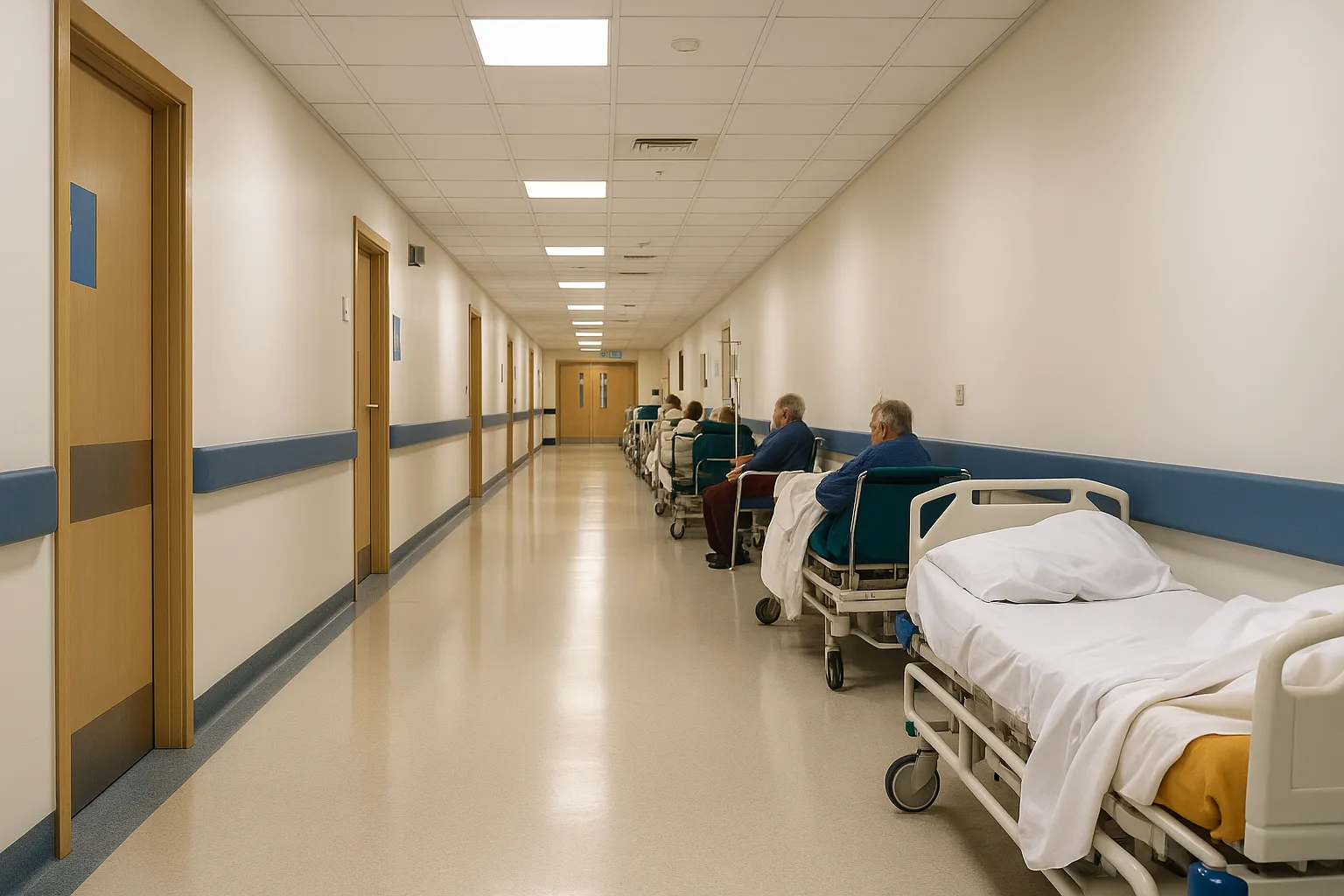
– Emergency patients face severe corridor care and long waits.
– Systemic failures lead to national investigation of maternity care.
– Trust improves ratings but continues to struggle with overcrowding.
Full Story
**Queen Elizabeth The Queen Mother Hospital Faces Criticism Amidst Increasing NHS Pressures**
The Queen Elizabeth The Queen Mother Hospital (QEQM) in Margate, Kent, has drawn significant criticism as it becomes emblematic of the challenges facing the National Health Service (NHS) during a particularly arduous period. Reports of inadequate care conditions, specifically in maternity services and emergency departments, have raised serious concerns about patient safety and operational efficacy.
As winter approaches, the NHS expects to face even greater strains, with statistics already indicating a surge in viruses and increased waiting times. The challenges at QEQM have sparked broader conversations about the sustainability and quality of healthcare under the existing pressures.
The most troubling aspects of QEQM’s service delivery can be traced back to a 2022 review led by Dr Bill Kirkup, which uncovered alarming systemic failures in its maternity services. The report highlighted a track record of care described as “unacceptably and distressingly poor.” Over 200 families shared experiences indicating that their concerns were often dismissed by staff, while poor leadership contributed to what was termed a “toxic culture” within the trust.
Between 2009 and 2020, the review indicated that 45 baby deaths could have been avoided if appropriate care had been administered. This revelation marked a significant moment for the NHS Trust—one of only 14 trusts in England to be subjected to urgent national scrutiny of maternity care due to severe failings.
Dr Kirkup noted, “The trust’s priority was protecting its reputation, not the mothers and babies it cared for,” underpinning a sense of betrayal felt by families who sought care at QEQM. A particularly heart-wrenching case involved the death of Harry Richford, a baby whose passing following a problematic birth drew national attention, spotlighting the grievous lapses in medical treatment.
More recent tragedies, such as the premature death of Archie Squire just days after his first birthday due to heart failure, have further underscored the operational deficits. His case elucidated how numerous opportunities to diagnose a serious heart condition were missed during his multiple hospital visits.
Though maternity services remain a focal point of concern, emergency care at QEQM has also been significantly impacted by unprecedented demand. The hospital recently reported that over 16 per cent of emergency patients requiring admission faced waiting times exceeding 12 hours. These delays have forced patients into distressing situations, often lacking proper facilities.
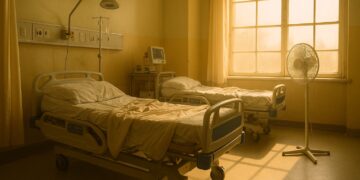
Steven Harris, a 69-year-old retiree from Margate, detailed his harrowing experience at QEQM after presenting with severe abdominal pain. He spent three days in the hospital without being given a proper bed, enduring inadequate washing facilities and subsisting on cold food. “It’s just horrendous. Something needs to change on a higher level,” he remarked, highlighting the dire conditions faced by patients and the tremendous pressure on NHS staff.
Harris’s experience reflects a widespread narrative emerging from QEQM, with reports citing patients who have been forced to wait extended periods under uncomfortable conditions. Disturbingly, some have been left with little explanation during chaotic medical situations, only to be overwhelmed by the ongoing strain on hospital resources. Such incidents have garnered public and media attention, especially as families share their traumatic experiences of losing loved ones due to preventable oversights.
Other notable cases have emerged recently, including the experience of Geoffrey Knell, a 79-year-old grandfather who endured a 55-hour wait in a cramped consultation room due to bed shortages. His son recounted how his father was deprived of hot meals and faced severe discomfort during his arduous wait for a room.
Compounding the issue of extended emergency waits is the problem of bed-blocking, whereby patients who are medically fit for discharge cannot leave hospital due to a lack of available care options. This backlog not only hampers the efficiency of emergency services but exacerbates delays for incoming patients in need of urgent care.
Despite these systemic issues, recent inspections have indicated improvements in specific areas of service. The Care Quality Commission now rates QEQM as requiring improvement rather than its previous “inadequate” status, signalling gradual progress in some service areas. Nonetheless, the urgent need for reforms remains, particularly regarding emergency service efficiency and patient throughput.
In response to these challenges, Dr Des Holden, acting chief executive for East Kent Hospitals, indicated ongoing efforts to enhance patient care, including an investment in expanding the “emergency care village” at QEQM. This initiative aims to streamline operations, enabling staff to assess and treat some patients immediately, thereby reducing the need for overnight hospital stays.
The call for comprehensive reform is echoed by local authorities and health experts who highlight the urgent need for systemic changes to prevent further crises within the NHS framework. The public remains hopeful that the government will heed these warnings and address the multifaceted issues plaguing hospitals across the country, not just at QEQM.
As winter approaches, the focus remains on how hospitals will cope with the inevitable rise in patient numbers and illness. The plight of patients like Steven Harris and Geoffrey Knell serves as a reminder of the human cost of healthcare system failures and the urgent need for transformation within the NHS to ensure that patient safety and quality of care are no longer compromised.
Our Thoughts
The systemic failures at the Queen Elizabeth The Queen Mother Hospital highlight several critical areas for improvement under UK health and safety legislation. Key lessons include the need for enhanced leadership and a commitment to patient safety over institutional reputation, in line with the Health and Safety at Work Act 1974.
To prevent similar incidents, prioritizing proper staffing levels and ensuring adequate training for all team members is essential to address the “toxic culture” and poor conditions reported. Additionally, the Care Quality Commission (CQC) regulations concerning patient treatment and safety must be strictly adhered to, particularly in maternity services, where the report noted 45 avoidable infant deaths.
Addressing bed-blocking through increased coordination with social care services could alleviate emergency department overcrowding. Regular safety audits and risk assessments under the Management of Health and Safety at Work Regulations 1999 would help identify hazards before they lead to patient harm.
Implementing a robust incident reporting system and encouraging a culture of transparency could foster an environment where staff feel empowered to voice concerns about practices without fear of repercussion, thus improving overall patient care and safety.