














Story Highlight
– QEQM Hospital faces severe overcrowding and long waiting times.
– Maternity services have systemic failings and poor outcomes.
– Recent cases reveal tragic preventable deaths of infants.
– Patients suffer inhumane conditions waiting for beds.
– Trust aims to improve emergency care amid criticism.
Full Story
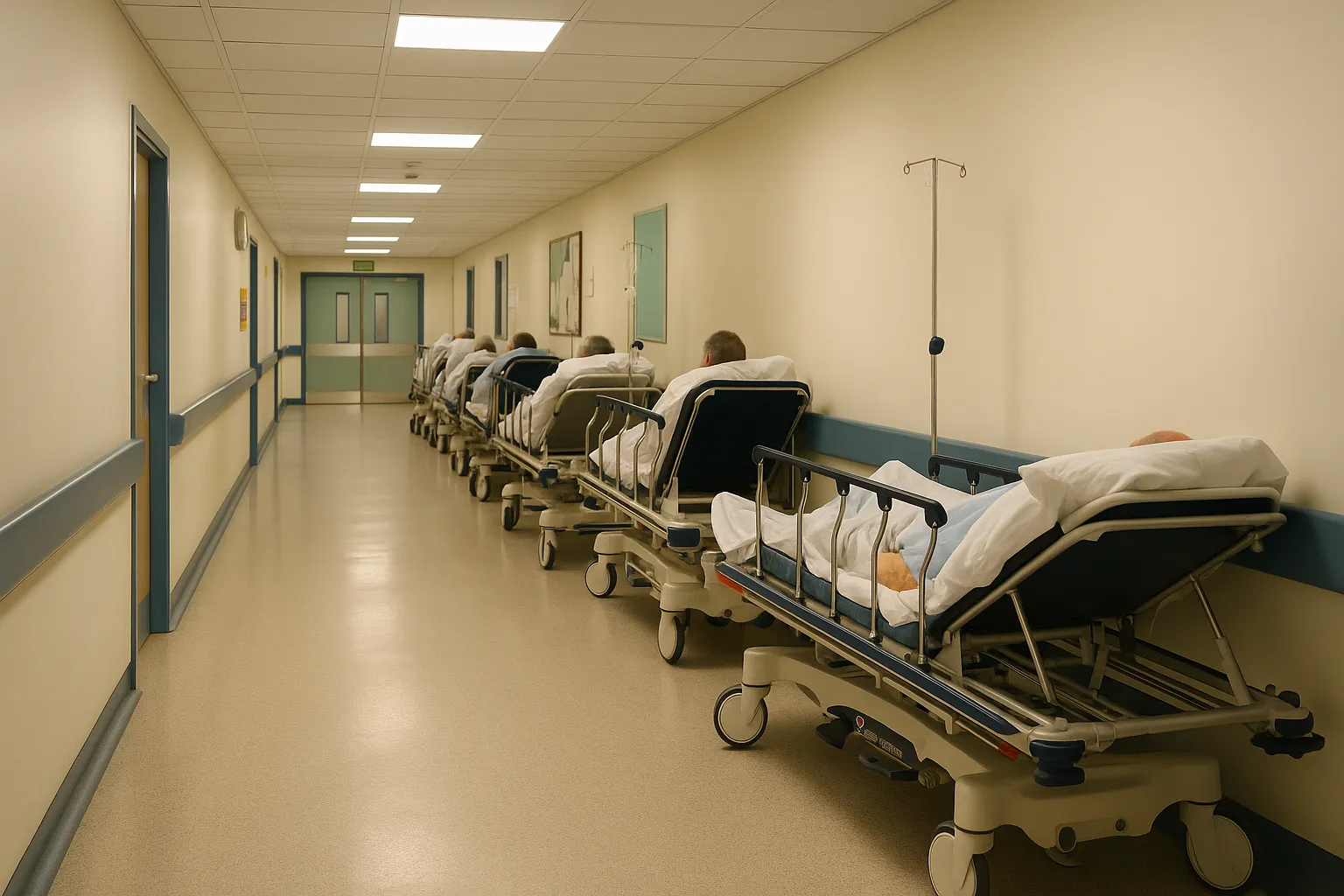
At the Queen Elizabeth The Queen Mother Hospital (QEQM) in Margate, Kent, alarming reports of patients being cared for in corridors amid significant delays highlight the growing pressure facing the NHS, particularly as winter approaches. Faced with increased viral infections and surging waiting times, medical facilities across the UK are experiencing unprecedented challenges.
The hospital’s reputation has been further tarnished by a series of issues within its maternity services. An independent review in 2022, led by Dr. Bill Kirkup, labelled conditions there as “unacceptably and distressingly poor.” This investigation into the trust’s operations, which also includes William Harvey Hospital in Ashford, disclosed deep-seated inadequacies within the care provided, particularly failing to heed the concerns of mothers.
More than 200 families shared their experiences, revealing a disturbing trend where the safety of women and newborns was neglected due to inadequate leadership and a culture deemed “toxic.” Tragically, the report indicated that 45 infant deaths between 2009 and 2020 could have potentially been avoided.
Dr. Kirkup noted that the trust seemed more focused on safeguarding its reputation than on ensuring the wellbeing of mothers and babies. This concern intensified with the case of Harry Richford. He died just a week after birth in 2017 due to mishandlings during delivery and postnatal care, which left him severely brain damaged and ultimately led to his family’s decision to withdraw life support.
Following the public outcry surrounding the cases at QEQM, the hospital trust was one of 14 evaluated in a national review of maternal and neonatal care across England initiated to address systemic failures.
Adding to the distressing atmosphere surrounding QEQM was the recent passing of another child, Archie Squire, who succumbed to heart failure shortly after celebrating his first birthday. His parents took him to the hospital more than 10 times before his death, yet critical opportunities to identify the underlying heart condition were reportedly overlooked.
Inadequate staffing was also cited as a concern, with reports suggesting that senior medical staff were frequently unavailable during evenings and weekends, resulting in a lack of expert care during crucial times.
The issues plaguing maternity services at QEQM are mirrored in the emergency department, where record waits and substandard conditions are becoming commonplace. Latest data indicates that over 16% of emergency patients requiring admission had to endure waits of at least 12 hours for a bed in November alone.
Local residents have voiced their frustrations and fears regarding the healthcare system. Steven Harris, a 69-year-old retiree from Margate, recounted his traumatic experience after presenting at QEQM with severe abdominal pain in August. He remained in the emergency waiting area for two and a half days without ever being assigned a bed. During this time, he was not provided with adequate sanitation facilities or nutritious meals, existing on cold sandwiches and yoghurts while battling his ailment.
Despite the distressing circumstances, Mr. Harris commended the dedication of the hospital staff, who were overstretched yet tirelessly supportive under duress. “They couldn’t have been nicer, but they were clearly so stressed and so stretched,” he remarked, highlighting the dire working conditions that NHS employees are functioning within.
His experience was not isolated. Other patients have similarly detailed harrowing accounts of prolonged waits without proper accommodation. For instance, a 79-year-old man named Geoffrey Knell endured 55 hours in a cramped area before being properly admitted. Meanwhile, a fellow patient reportedly spent nearly 30 hours in treatment limbo due to a lack of bed availability.
The NHS is grappling with systemic issues including bed-blocking, where patients unable to be discharged occupy beds without needing further acute care, contributing to the mounting pressures on emergency departments.
“It’s just horrendous,” Mr. Harris expressed, empathising with the staff while calling for a higher-level change to alleviate the burgeoning crisis. This appeal for improvement resonates across the community, especially among those who witnessed the tragic repercussions of delayed treatment, like 91-year-old Dorothy Reid, who passed away following a previous uncomfortable experience in the A&E department at QEQM.
The East Kent Hospitals University NHS Foundation Trust acknowledged the overwhelming pressures its emergency departments are currently under and expressed remorse for the lengthy waits endured by patients. An EKHUFT spokesperson affirmed that the trust is engaged in efforts to enhance the care provided, promising improvements moving forward.
Although the hospital’s Care Quality Commission (CQC) ratings have improved to “requires improvement,” it remains clear that serious challenges persist in providing consistent and safe care. The ongoing efforts to elevate standards are underway; however, the hospitals must address bed shortages, workforce limitations, and persistent problems with patient discharge practices to rebuild trust with communities.
Dr. Des Holden, acting chief executive of EKHUFT, relayed that the trust is investing resources to mitigate the pressures on emergency care, including the introduction of an “emergency care village” at QEQM to enhance patient flow and care delivery.
The healthcare landscape, currently under significant strain, requires not only immediate solutions but a comprehensive re-evaluation of operational frameworks to ensure that patients receive the timely care they deserve without enduring the indignities of corridor care. The unfolding situation at QEQM serves as a poignant reminder of the urgent need for systemic reforms within the NHS to benefit future generations.
Our Thoughts
The situation at Queen Elizabeth the Queen Mother Hospital (QEQM) highlights significant breaches of UK health and safety regulations, particularly the Health and Safety at Work Act 1974, which mandates safe and adequate care for patients. To mitigate the tragic outcomes observed, the following actions could have been implemented:
1. **Staffing Levels and Training**: The hospital needed to ensure adequate staffing levels and proper training for personnel, particularly in high-pressure areas like maternity units and emergency care. Overworking staff may lead to fatigue and oversight, contributing to systemic failures.
2. **Investing in Infrastructure**: Investment in hospital infrastructure to mitigate bed-blocking and to enhance patient flow is essential. Providing proper facilities and ensuring a swift discharge process for patients would alleviate pressure on emergency services.
3. **Better Communication Practices**: Establishing clear communication protocols to ensure patient concerns are addressed and that staff are informed of critical patient needs and conditions would improve patient outcomes.
4. **Regulatory Compliance and Oversight**: Stronger compliance with Care Quality Commission (CQC) recommendations and regular audits could help identify and rectify weaknesses before they escalate into tragedies.
By focusing on these areas, similar incidents of neglect and poor patient experience could be significantly reduced, thereby fostering a safer hospital environment.