
















Story Highlight
– Daily habits significantly influence workplace productivity and wellbeing.
– Energy management is crucial for sustained cognitive performance.
– Predictable routines can reduce stress and improve mental health.
– Nutrition and hydration directly impact concentration and stamina.
– HR plays a key role in fostering supportive workplace habits.
Full Story
Employee wellbeing and productivity have become increasingly important topics in contemporary discussions surrounding workplace effectiveness. While policies, benefits, and metrics often dominate these conversations, it is essential to delve deeper into the less overt factors—specifically, the daily habits and routines that shape employee experiences long before they engage in their workday. Various factors such as sleep patterns, nutrition, and hydration play crucial roles in influencing focus, resilience, and overall energy levels.
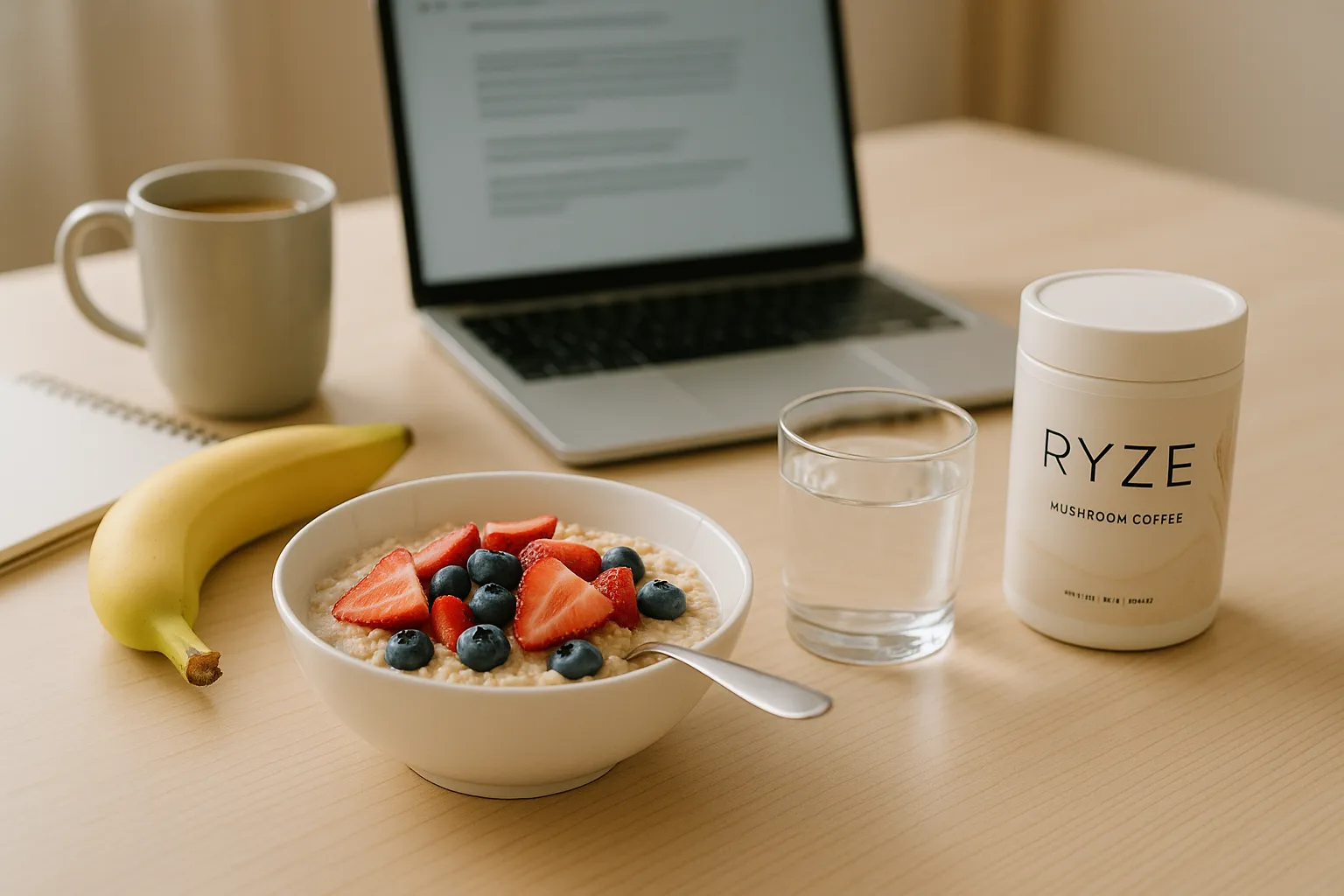
As employees increasingly explore small lifestyle changes to enhance their performance, there is a marked interest in wellness-oriented products like Ryze. These beverages are often part of broader lifestyle adjustments aimed at establishing healthier work habits, rather than being viewed as singular solutions.
### The Cumulative Impact of Daily Routines
Workplace performance is rarely attributable to isolated actions. Instead, it is an accumulation of habits practiced consistently over time. How employees transition into work, cope with energy declines, and recover mentally from intensive tasks significantly influences their productivity and engagement levels.
Studies in occupational health indicate that predictable routines can substantially lower cognitive load. When workers are not tasked with continuously determining how to structure their day, they free up mental space for more significant endeavors such as problem-solving and collaboration. This principle applies equally to personal choices and organisational systems.
From a human resources (HR) perspective, understanding the role of these habits can pivot discussions away from immediate productivity fixes toward a focus on sustainable performance enhancement.
### Energy Management and Cognitive Function
One of the most evident connections between daily habits and productivity lies in how energy fluctuates throughout the working day. Inconsistent energy levels can negatively affect concentration, leading to increased mistakes and feelings of frustration or disengagement. Although caffeine is a widely accepted method to counter fatigue, its efficacy is highly variable, depending on timing, quantity, and each individual’s tolerance.
Research from the National Institute for Occupational Safety and Health suggests that the sustainability of cognitive performance is closely related to the quality of sleep, hydration levels, and balanced nutrition—factors just as critical as stimulants. When employees depend on short bursts of energy followed by crashes, they may experience temporary spikes in productivity, but overall effectiveness often diminishes later in the day.
Promoting an understanding of energy management over reliance on quick fixes can facilitate more consistent levels of performance and help alleviate burnout.
### The Stabilising Role of Routine in Stress Management
Stress in the workplace is not merely a product of workload; it also arises from uncertainty, constant distractions, and a lack of structure. Individuals can mitigate psychological stress through established personal habits, particularly in high-pressure or hybrid work environments.
Building a morning routine, taking regular breaks, and using consistent cues to signal the start of work can create a sense of predictability for employees. Over time, these routines may help lower stress baseline levels and enhance emotional stability, according to guidance from the World Health Organization, which associates regular daily patterns with improved mental health and greater resilience against stress.
From an organisational perspective, this reinforces the necessity of cultivating environments that encourage sustainable routines, rather than promoting a culture of incessant availability or reactive engagement.
### The Influence of Nutrition and Hydration on Workplace Performance
While individual dietary choices are frequently perceived as personal, their repercussions are undeniably felt in workplace settings. Instabilities in blood sugar, dehydration, and insufficient nutrient intake can detrimentally affect mood and concentration.
Research published by Harvard Health indicates that even mild dehydration can impair attention and memory retention. Encouraging regular hydration and meal breaks can lead to improvements in productivity and overall employee wellbeing.
The rising interest in functional foods and beverages reflects the growing desire to align dietary habits with professional demands. Although no single product guarantees enhanced performance, the pursuit of options that foster sustained energy levels supports an evidence-based approach to workplace health.
### Habit Formation within Hybrid and Remote Work Models
The shift toward hybrid and remote working conditions has amplified the significance of individual habits in relation to productivity. Without the traditional environmental cues of an office, employees are compelled to establish self-directed routines to effectively delineate their work from personal lives.
Practices such as setting fixed working hours, creating a designated workspace, and developing pre-work rituals can reinforce boundaries pivotal for maintaining focus and reducing the likelihood of overwork. Research from occupational psychology, referenced by the Chartered Institute of Personnel and Development, supports these practices.
HR departments have a vital role in establishing structured workdays and discouraging workplace cultures that celebrate constant connectivity.
### How HR Can Facilitate Healthier Workplace Routines
Although habits are inherently personal, they are significantly shaped by organisational influences encompassing leadership behaviours, expectations, and workplace design. When managers exemplify healthy routines—such as taking breaks or disconnecting after business hours—it increases the likelihood that employees will mirror those behaviours.
Organisations can consider implementing supportive policies, including flexible starting hours, scheduled meeting-free time for focused work, and wellbeing initiatives that advocate realistic, practical lifestyle changes rather than idealised perfection. It is crucial that such policies are framed as means for enhancing performance, not merely as wellness incentives.
Evidence from the UK’s Health and Safety Executive indicates that workplaces that address both mental and physical health witness improved employee engagement, retention, and productivity.
### Transitioning Beyond Short-Term Productivity Measures
Conventional metrics often concentrate solely on output, neglecting aspects of sustainability. However, habits that compromise wellbeing can eventually lead to adverse effects on performance, seen in absenteeism and presenteeism.
An approach that considers the role of habits can encourage HR leaders to review productivity over more extended periods. Are employees maintaining focus without succumbing to fatigue? Can they recover effectively after demanding tasks? Are workplace norms nurturing advantageous habits or hindering them?
Reflecting on these considerations can enable organisations to shift from reactive methods to proactive strategies for workforce management.
### A Holistic Understanding of Performance
Daily habits heavily influence employees’ cognitive, emotional, and performance outcomes. While personal choices are undeniably significant, the prevailing organisational culture largely determines how conducive the environment is to fostering healthy routines. By recognising the cumulative impact of daily behaviours and aligning HR strategies with these insights, employers can cultivate settings where productivity and wellbeing mutually enhance rather than conflict.
As the landscapes of work continue to evolve, sustainable performance is increasingly rooted in consistency rather than intensity. Promoting healthy habits is not about restricting personal choices; instead, it involves creating an environment that empowers employees to function optimally day in and day out.
Our Thoughts
The article highlights crucial areas for improving employee wellbeing and productivity, but it lacks references to specific incidents or safety breaches. To prevent potential issues linked to employee habits and routines, companies should ensure adherence to the Health and Safety at Work Act 1974, emphasizing duty of care towards employee mental and physical health.
Key lessons include the importance of establishing predictable routines to reduce stress and enhance cognitive performance. Organizations are encouraged to provide structured workdays, promote regular breaks, and support hydration and nutrition initiatives, meeting the requirements set by the Management of Health and Safety at Work Regulations 1999.
A proactive approach focusing on both mental and physical health can mitigate risks of burnout and absenteeism. HR should support habit formation by normalising downtime and discouraging a culture of constant availability, aligning with the Health and Safety Executive’s guidance on workplace health. By implementing comprehensive wellbeing programmes and promoting a supportive culture, organizations can create environments conducive to sustained performance and mitigate the likelihood of future health-related incidents.