















Story Highlight
– HSE warns offshore operators to improve isolation practices.
– Recurring failures in hazard identification and compliance identified.
– Poor risk assessments lead to dangerous operational conditions.
– 30% of operators recorded as “poor or unacceptable.”
– New guidance on isolation practices to be issued soon.
Full Story
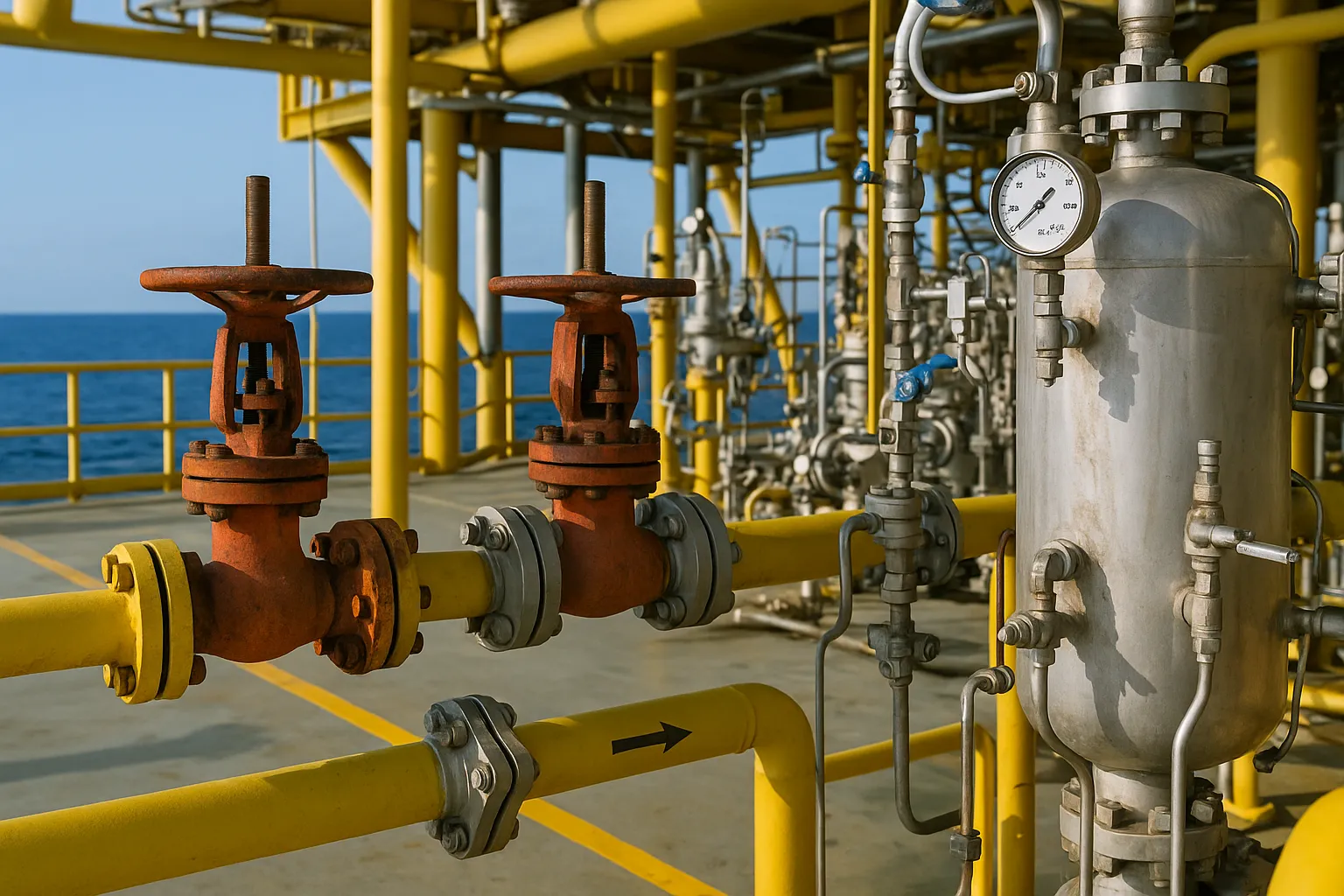
The UK’s Health and Safety Executive (HSE) has issued a stern warning to offshore oil and gas companies concerning their process isolation practices, emphasizing the potential for catastrophic incidents, including serious injuries and fatalities. Recent investigations by the HSE have uncovered persistent shortcomings in offshore operations, highlighting inadequate hazard identification and failure to meet regulatory obligations.
Process isolation is crucial in the context of offshore operations, as it pertains to the secure containment of hazardous materials and gases during maintenance and operational activities. Inadequate isolation procedures can lead to uncontrolled emissions, resulting in severe safety risks. Although the HSE has long provided guidance on safe isolation techniques through its HSG 253 standard specifically aimed at offshore oil and gas facilities, compliance appears to be lacking among many operators. According to the HSE, numerous companies are either neglecting to implement the guidelines effectively or employing isolation methods that do not measure up to acceptable safety standards.
Scott Templeton, a principal specialist inspector within the HSE’s Energy Division, remarked, “The problem is not the procedures on paper, it is that people are not following them.” This observation underscores the critical disconnect between established protocols and their application in the field.
The HSE’s investigations highlighted various disturbing trends among operators. A frequent issue is the use of isolation processes that fail to comply with the specifications of HSG 253. In some cases, operators have opted for inferior isolation standards without providing valid justification for their decisions. Additionally, discrepancies have been found between the actual state of plant equipment and its documented design, which can lead to inadequate isolation designs and their execution.
Another key area of concern identified by the HSE is the quality of risk assessments. In many instances, operators have overlooked the presence of trapped fluids, various pressure sources, and the significance of non-return valves, leading to heightened risks.
A report from the HSE regarding the state of the UK offshore industry revealed alarming statistics for 2024, including 180 dangerous occurrences and 92 instances of hydrocarbon releases. Although there were no recorded fatalities, the data is still sobering. The HSE noted that of the 477 inspection evaluations conducted on operators, 30% were found to be non-compliant with safety standards and were classified as either “poor,” “very poor,” or “unacceptable.”
In light of these findings, the HSE has called for immediate improvements in operator practices. The regulatory body is currently engaged in discussions with industry leaders to promote better adherence to established safety standards. To facilitate this process, the HSE has released a series of challenge questions aimed at operators. These inquiries focus on whether current isolation practices fully align with HSG 253 and how the integrity of valves is ensured within complex systems, such as flare headers.
“The failures we have identified are entirely preventable,” the HSE stated, illustrating the importance of proactive measures in safeguarding offshore operations. The regulator further urged companies to reflect on their practices, asking, “The question is whether your organisation will prevent them.”
Furthermore, the HSE is poised to release updated guidance concerning offshore isolation practices, which is expected to be available in the near future. This guidance aims to reinforce the importance of rigorous safety protocols and compliance, bolstering the overall safety culture within the offshore oil and gas sector.
As the industry continues to grapple with these challenges, the insights provided by the HSE serve as a critical reminder of the importance of stringent safety measures in preventing incidents that could have far-reaching consequences. Enhanced education and training around the HSG 253 standards may prove essential in fostering a culture of safety and compliance among operators.
Industry experts are voicing concerns that unless substantial changes are made to isolation practices, the risk of future incidents remains high. Engaging frontline workers in discussions around these issues could promote a deeper understanding of the importance of strict adherence to safety procedures.
Such proactive measures will not only help in mitigating risks but also contribute to building trust within the industry and among the communities affected by offshore operations. Ultimately, the success of any safety initiative hinges on the commitment of all stakeholders to prioritise safety above all else.
Meanwhile, the HSE’s ongoing collaboration with the offshore sector underscores its dedication to ensuring that standards are not just established, but also rigorously implemented and maintained. The hope is that with increased scrutiny and support, the industry can rise to meet the challenges before it and significantly improve the safety of offshore operations moving forward.
Our Thoughts
The recent warning from the HSE emphasizes critical failures in process isolation practices among offshore oil and gas operators that could lead to serious accidents. Key areas for improvement include compliance with HSG 253, which outlines safe isolation practices. To prevent future incidents, operators must diligently follow established protocols and address mismatches between the actual conditions of equipment and recorded designs.
Moreover, inadequate risk assessments must be rectified to ensure that all potential hazards, such as trapped fluids and pressure sources, are properly identified and mitigated. Regular audits and staff training on HSG 253 compliance could enhance adherence to safety standards.
The breaches present clear violations of statutory provisions under the Health and Safety at Work Act 1974 and the Management of Health and Safety at Work Regulations 1999. Future prevention strategies should focus on robust training, regular safety audits, and consistent monitoring of compliance to regulatory standards to foster a culture of safety within offshore operations.