
















Story Highlight
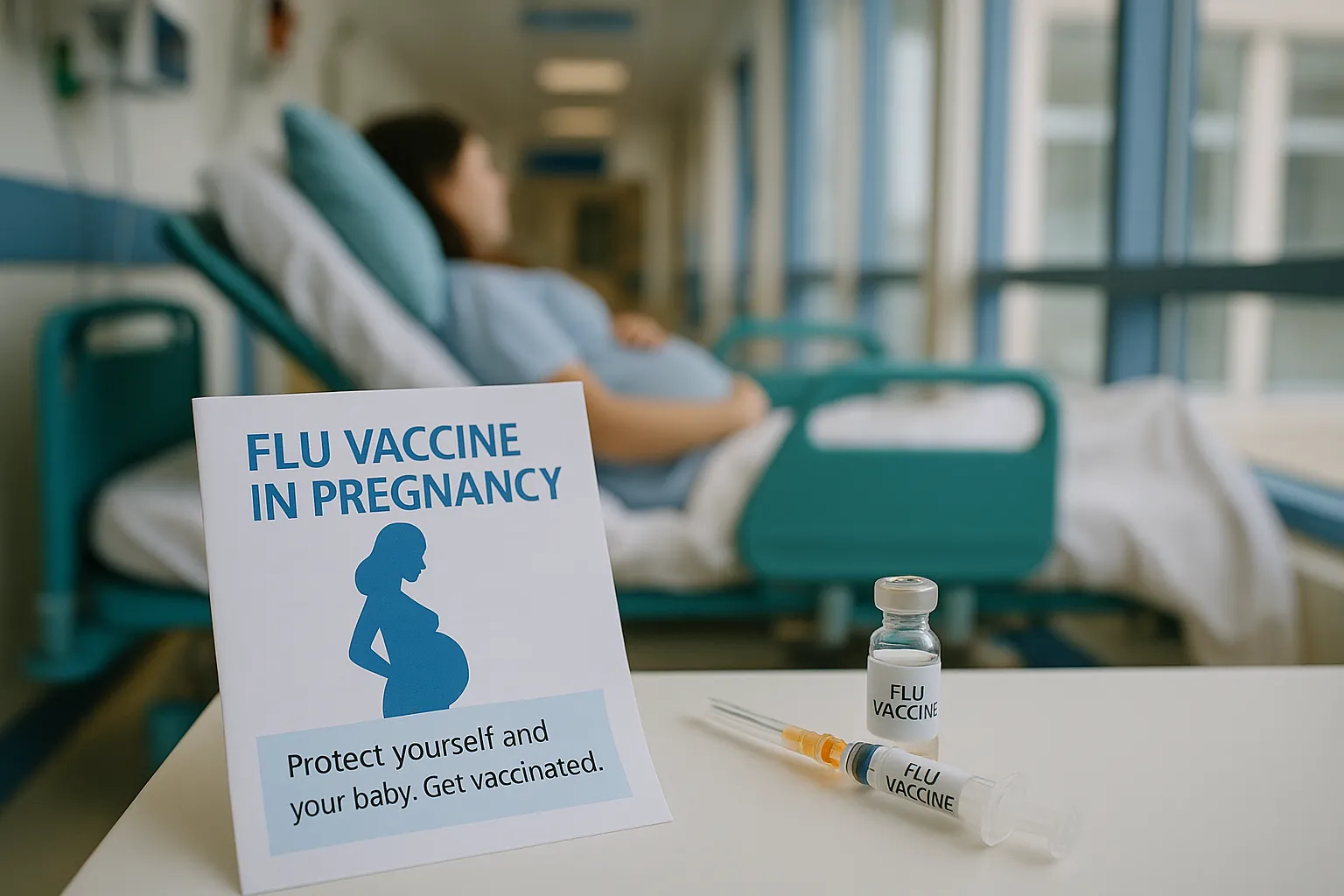
– Urgent call for flu vaccination for pregnant women.
– Record flu-related hospital admissions reported by NHS.
– Vaccine provides vital protection for mothers and babies.
– Medical bodies emphasize vaccine safety and efficacy.
– Independent pharmacies maintain good vaccine stock availability.
Full Story
Health experts from major medical organisations, representing over 90,000 professionals, have made an urgent appeal for expecting mothers to get their flu vaccinations as soon as possible. Current statistics from the NHS indicate an alarming rate of flu-related hospital admissions, which are significantly higher than in past years for this time of the year. On average, approximately 3,140 patients suffering from influenza were occupying hospital beds daily, even though there has been a minimal decline in the growth rate.
This situation highlights the ongoing strain being placed on healthcare services. Pregnant women are particularly vulnerable and can experience serious complications from the flu, with studies showing they are at a greater risk for adverse outcomes compared to the general population. In addition, their newborns may face a heightened risk of hospitalisation as a result of their mothers contracting the illness.
In light of these findings, several professional bodies, including the Royal College of Obstetricians and Gynaecologists (RCOG), the Royal College of Midwives (RCM), and the Royal College of Paediatrics and Child Health (RCPCH), have united in their campaign to promote flu vaccination among pregnant women. They are encouraging expectant mothers to engage with their maternity teams or general practitioners, reiterating that the flu vaccine remains an essential safeguard, even in the later stages of the flu season.
Dr Alison Wright, president of the RCOG, underlined the importance of immunisation during pregnancy. “Having the flu vaccine during pregnancy is the most effective way to protect women and their babies from getting seriously unwell with flu,” she said. Dr Wright further pointed out that the vaccine is safe and helps to boost maternal antibodies against the flu, which can then be passed onto the baby before birth, providing crucial protection. She also emphasised that it is not too late for women to get vaccinated and urged healthcare professionals to prioritise discussions around vaccination whenever interacting with pregnant patients.
Additionally, Gill Walton, the chief executive of the RCM, recognised that the abundance of information available to expectant mothers can make it difficult for them to discern the most critical actions they should take regarding their health. She stressed that receiving the flu vaccination is one of the most effective protective measures available. “One of the simplest and most effective steps a woman can take to protect both herself and her baby is to have the flu vaccine if she hasn’t already,” Ms Walton noted. She reassured that midwives can provide trusted guidance and are ready to address any concerns regarding vaccine safety, confirming that it is indeed safe at all stages of pregnancy and beneficial for infants during their early months.
Professor Steve Turner, president of the RCPCH, cautioned against the misconception that influenza is merely a severe cold, particularly when it comes to its effects on children. “Many people are mistaken in believing that flu is simply a bad cold,” he stated. He went on to explain that serious infections from the flu can lead to lifelong consequences for children, particularly infants. Professor Turner highlighted the overwhelming pressure that recent hospital admissions are placing on the NHS, urging preventative measures such as vaccination to mitigate these risks. The RCPCH has also released an informative factsheet about the flu vaccine to assist parents and caregivers in making informed decisions.
Oliver Picard, chair of the National Pharmacy Association, affirmed that access to the flu vaccine is widely available. “Most independent pharmacies are telling us they still have good stock availability and are able to vaccinate patients promptly,” he remarked. He joined the other medical professionals in advocating for vaccinations among at-risk groups, reiterating the severe consequences that flu can have not only for adults but also for unborn children. Picard encouraged individuals to take advantage of the opportunity to receive a quick and nearly painless vaccination at local pharmacies or their GP practices.
In conclusion, the collective message from these health organisations emphasises the vital role of vaccination in preventing flu-related illnesses, particularly among pregnant women and vulnerable populations. As the flu season continues, they urge all eligible individuals to prioritise their health and that of their families by seeking out the flu vaccine.
Our Thoughts
To avoid the rising flu-related hospital admissions, key safety lessons include the urgent promotion and administration of flu vaccinations among vulnerable populations, particularly pregnant women. The lack of proactive uptake of the vaccine reflects a potential breach of the Health and Safety at Work Act 1974, which mandates that employers must ensure the safety and health of employees and others affected by their work. Public health campaigns should be bolstered to provide clear and accessible information about the benefits of vaccination, especially during high-risk seasons.
Furthermore, the Health Protection (Vaccination) Regulations 2009 highlight the importance of vaccination in preventing the spread of infectious diseases. Healthcare professionals must emphasize the importance of flu vaccination at every patient interaction to improve compliance.
To prevent similar incidents, it is crucial to enhance collaboration between healthcare providers and public health entities, ensuring that pregnant women receive timely information on vaccination opportunities. Regular training and reminders for healthcare staff about the significance of recommending vaccinations can also contribute to improved vaccination rates and reduced hospitalization risks for both mothers and their babies.