
Story Highlight
– 3,600 UK takeaways failed hygiene inspections, one in 17.
– 175 outlets received zero rating; urgent improvement needed.
– Rotten food and pest infestations found in violations.
– 5,495 takeaways have never been inspected nationwide.
– Law requires hygiene ratings display only in Wales, NI.
Full Story
A comprehensive review of takeaway hygiene ratings across the UK has unveiled significant concerns regarding the cleanliness of food outlets, as highlighted by an investigative map revealing the most problematic establishments. According to an analysis conducted by the Daily Mail using data from the Food Standards Agency (FSA), approximately 3,600 food outlets have failed hygiene inspections due to serious cleanliness issues, equating to roughly one in every 17 takeaways and sandwich outlets not meeting the minimum hygiene standards set for food safety.
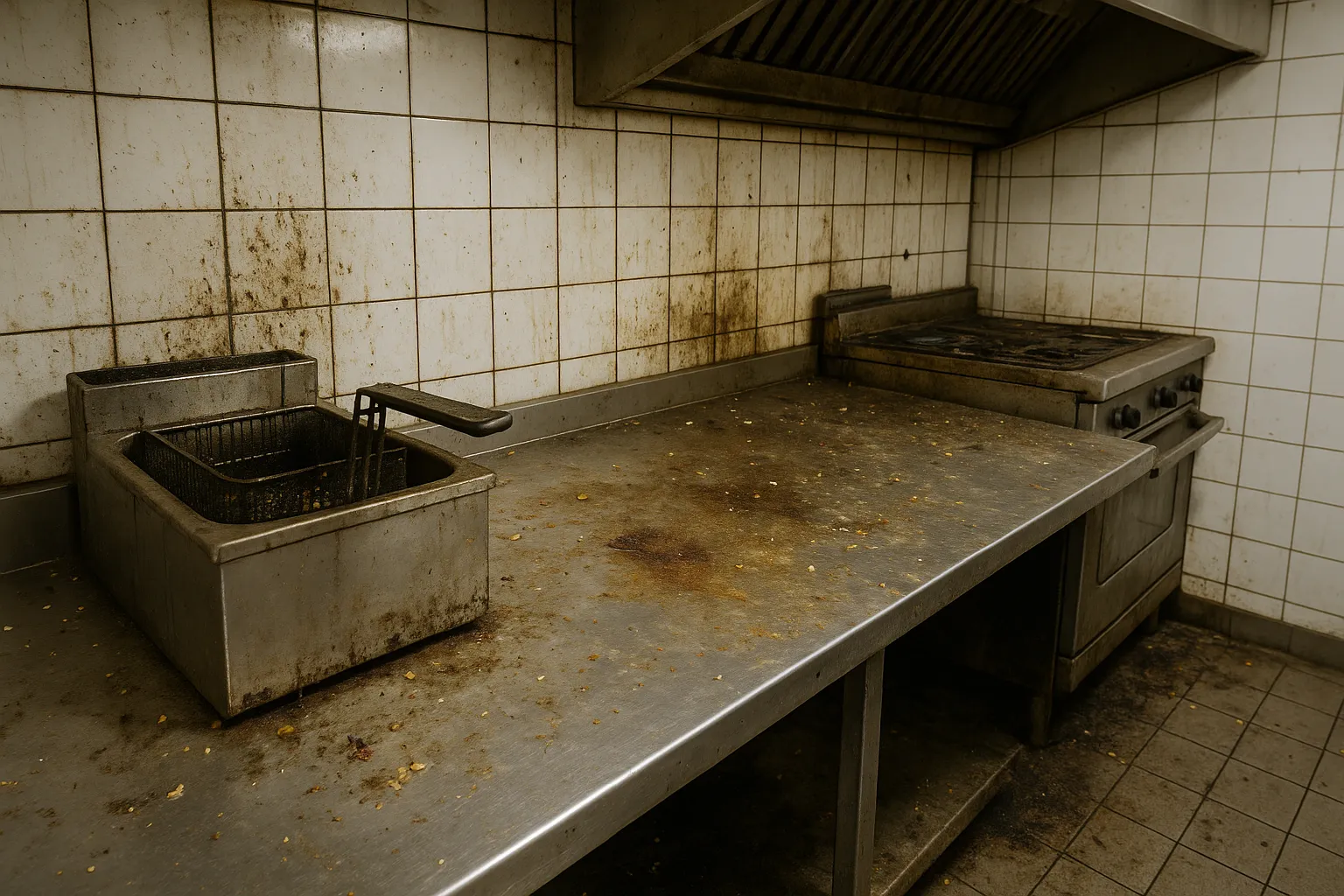
Among these, a troubling 175 establishments have received the lowest possible rating of zero, indicating that immediate improvements are necessary. A variety of food types is represented in the zero-rated category, including Indian and Chinese takeaways, kebab houses, pizza shops, burger bars, and fish and chip takeaways. These venues have been reported for severe violations, including incidents of rotting food, evidence of rodent infestations, and improper storage of raw chicken, all signalling a need for urgent intervention.
In the UK, food outlets are evaluated on a rating scale from zero to five, with any score of two or below classified as a fail. The investigation found that 1,560 establishments received a ‘poor’ rating of two, which signals that improvements are necessary, while another 1,240 were rated one, indicating that major enhancements are required. With over 63,500 outlets evaluated, the overall failure rate stands at 5.7%. Research from the FSA indicates that venues rated zero, one, or two are twice as likely to be involved in foodborne illness outbreaks compared to those rated three or higher.
In Scotland, the inspection system differs, employing a binary pass/fail method that classifies 660 businesses under an ‘Improvement Required’ label. In situations where significant breaches are noted, authorities have the power to close establishments and may recommend legal action for contraventions of food safety regulations. Disaggregated by locality, the Scottish Borders emerged as the worst performer with an alarming 26% failure rate, followed closely by Aberdeen at 25% and Pendle at 20%. Notably, 31 councils reported no establishments with failed ratings, contrasting starkly with regions struggling to uphold hygiene standards.
Failing an inspection can have devastating consequences for food businesses, leading to lasting reputational damage. Delivery platforms like JustEat require a minimum hygiene rating of three for registration, with businesses designated a zero rating being swiftly delisted. Awareness of hygiene ratings has dramatically increased among consumers; a spokesperson from Food Safety Consultancy UK acknowledged that many patrons now routinely check hygiene scores online, with community platforms acting as catalysts for publicising poor ratings. They expressed, “If a rating isn’t displayed, that in itself should raise questions.”
Customer vigilance is particularly critical for those with allergies, given that negligence in food safety can result in life-threatening situations. A representative from Food Safety Consultancy UK stated, “Getting this wrong can have life-threatening consequences and has been a key factor in major prosecutions.” Persistent challenges facing the food sector include pest control, staff training, comprehensive record-keeping, and maintaining hygiene standards, especially during peak service hours. Some establishments still resort to shortcuts, lacking proper pest control contracts or avoiding thorough cleaning practices, while high employee turnover exacerbates training inadequacies.
Ian Andrews, representing the Chartered Institute of Environmental Health, noted that adherence to food hygiene standards is influenced by several factors, including staff training and the establishment’s upkeep. When safety protocols fail, the ramifications can extend to public health, exhausting valuable NHS resources. Environmental health officers investigate lapses and take regulatory measures to mitigate risks within the community.
Despite the enhanced accessibility of hygiene inspection results via online platforms, a legal obligation to display ratings in England remains absent, with only 72% of businesses voluntarily showcasing their scores. Display compliance is notably higher among top-rated establishments, with 79% of those scoring five displaying their ratings as opposed to only 38% of those rated three. In stark contrast, Wales and Northern Ireland mandate that businesses display their hygiene ratings, prompting calls from campaigners, including Which? and the FSA, to implement similar requirements in England and Scotland.
The FSA was established in the wake of the mad cow disease crisis and the 1996 E. coli outbreak which resulted in 20 fatalities. Since its inception, a robust regulatory framework has developed, seen as effective by many. Local authorities are responsible for inspecting food establishments at least once every two years, passing results to the FSA or Food Standards Scotland (FSS). However, doubts about the efficacy of these inspections have emerged, particularly owing to staffing shortages in environmental health departments, with the number of food standards inspectors plummeting by 45% over the past decade. The FSA and FSS have raised concerns that these staffing issues may significantly increase the likelihood of overlooking fundamental food safety concerns, with around 5,495 takeaways yet to be inspected.
Farrelly Mitchell, co-founder and managing director of a prominent food consultancy, pointed out that the capacity for inspections varies significantly by local authority, particularly in regions with fewer resources or high concentrations of food outlets. He advocated for the mandatory display of food hygiene ratings in England, asserting it would enhance transparency and compliance among food operators. A spokesperson for the Local Government Association emphasised that councils are best positioned to target resources efficiently, but ultimately, compliance with food safety laws rests on the businesses themselves.
The FSA describes its hygiene ratings as reflective of a snapshot of standards at a given time, focusing primarily on safe food storage and preparation, rather than broader aspects such as food quality or service. All inspection results are available through the FSA website, which undergoes continual updates as inspections are conducted. High-risk establishments can be inspected as frequently as every six months, with lower-risk premises facing less stringent schedules. After addressing initial failings, businesses may schedule a retest to re-evaluate their hygiene rating.
In summation, the visibility of establishments with poor hygiene standards points to the diligent efforts of local authority food officers in safeguarding consumer health. With nearly 97% of food establishments achieving at least a satisfactory rating, the emphasis continues to be on maintaining and improving food safety standards across the sector.
Our Thoughts
The recent findings regarding the hygiene ratings of takeaways in the UK highlight critical failures in food safety compliance. To better prevent such situations, stricter adherence to the Food Hygiene (England) Regulations 2006 and the Food Safety Act 1990 is essential. Key preventative measures include mandatory display of hygiene ratings, as seen in Wales and Northern Ireland, which would increase transparency and pressure businesses to comply with hygiene standards.
Training staff adequately in food safety practices and maintaining consistent pest control contracts are vital to avoid breaches of food safety regulations. The staff shortages mentioned also underline the need for local councils to prioritize recruitment and retention of environmental health officers to ensure regular inspections. Greater government investment could address these staffing issues, enhancing the inspection regime’s capability.
Additionally, businesses must not cut corners during busy periods; having robust cleaning regimes and record-keeping are essential duties. If these lessons are implemented, similar incidents may be averted, ultimately improving food hygiene compliance and reducing the risk of foodborne illnesses.