











Story Highlight
– Scott Lodge installed boilers without Gas Safe registration.
– Brian Lodge falsely signed off on unsafe work.
– Defects in installation posed carbon monoxide poisoning risk.
– Both men received community orders and fines.
– HSE emphasizes importance of using registered gas engineers.
Full Story
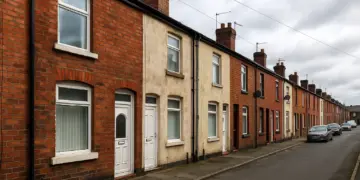
A recent investigation by the Health and Safety Executive (HSE) has revealed serious breaches of gas safety regulations involving a father-son duo from Northwich. Scott Lodge, aged 37, undertook the installation of a boiler at two residential properties without being registered with the Gas Safe Register, violating crucial safety laws designed to protect the public.
The investigation highlighted that on one occasion, Scott’s father, Brian Lodge, a registered gas engineer aged 67 from Knutsford, signed off on the installation and commissioning of the boiler on his son’s behalf. However, Brian did not inspect the work done, which raises significant concerns about adherence to safety protocols.
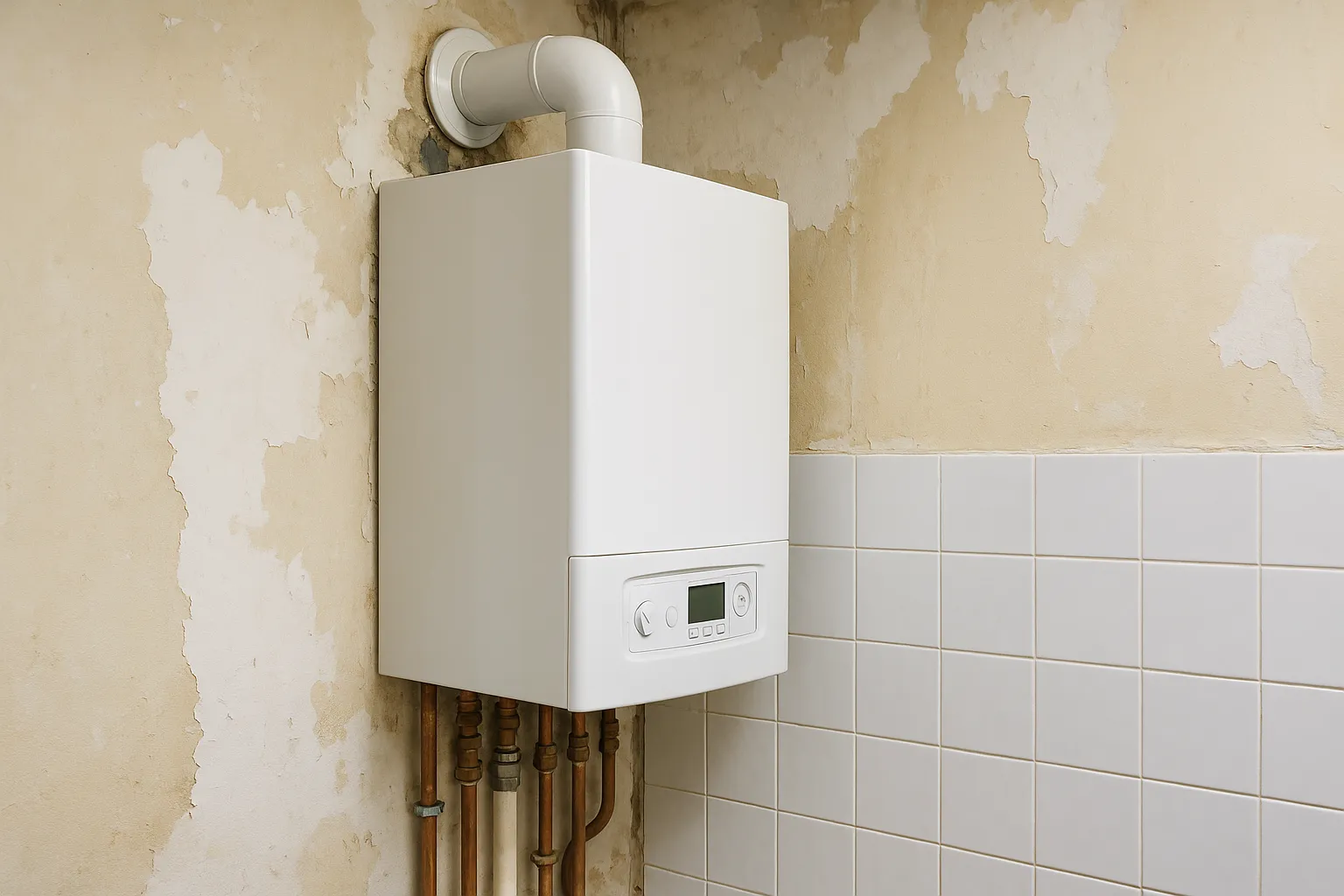
The issue came to light when a homeowner raised concerns with the Gas Safe Register, triggering an inspection by a qualified gas engineer. This inspection discovered multiple defects, leading to the boiler being categorised as posing a risk to health and safety. Among the identified problems was the insufficient support for the chimney and flue system, a major safety hazard that could lead to carbon monoxide poisoning.
The installations took place during April and December of 2022. Operating without proper registration is both illegal and poses serious risks, potentially resulting in leaks, fires, or even explosions, all of which are linked to improperly installed gas appliances.
Scott Lodge, who operates under the business name SJL Heating and Plumbing, appeared at Chester Magistrates’ Court on December 22, where he entered a guilty plea for breaching the Gas Safety Regulations 1998. The court sentenced him to a 12-month community order, which includes a requirement to complete 200 hours of unpaid work. Additionally, he was ordered to pay costs amounting to £2,500, a victim surcharge of £114, and £1,460 in compensation to one of the homeowners affected by his actions.
Brian Lodge, who trades as Flamecare Maintenance from Merriman Avenue, also pleaded guilty to violating a section of the Health and Safety at Work Act 1974. Like his son, he received the same penalty: a 12-month community order alongside the financial costs of £2,500 and a victim surcharge.
In passing sentence, the magistrates took into account both individuals’ pleas of guilt, signalling a recognition of the severity of the offences committed. Ian Betley, an HSE Inspector, spoke following the court proceedings, stating, “This was a deliberate breach of gas safety legislation by Scott Lodge who undertook gas work which he knew he was not registered to do.”
Inspector Betley further stressed the gravity of the situation, commenting, “His failures could have led to catastrophic and tragic consequences for the homeowners. To make matters worse, Brian Lodge knowingly signed off the work as safe, despite not examining or testing it. All gas work must be undertaken by Gas Safe registered engineers. The public should always ask to see the gas engineer’s identification and check the registration number online to ensure it is valid.”
The case has drawn attention to the importance of using qualified professionals for gas work, with the HSE reminding the public that all gas work must be performed by engineers registered with Gas Safe. This register is the official record of gas businesses legally accredited to work on gas appliances, ensuring that consumers can find safe and competent services.
People can verify an engineer’s registration either through the Gas Safe Register website or by calling the helpline. The official website, gassaferegister.co.uk, allows users to check a gas engineer’s credentials easily. For immediate inquiries, consumers can reach out to 0800 408 5500, while registered gas engineers can call 0800 408 5577 for assistance.
The prosecution brought forth by HSE enforcement lawyers, including Sam Crockett and Karen Park, reflects the ongoing commitment to uphold safety standards within the industry. The actions of Scott and Brian Lodge serve as a cautionary tale about the critical importance of compliance with established safety regulations.
Cases like this highlight the need for heightened awareness among homeowners regarding the credentials of gas engineers. Ensuring that work is conducted by qualified professionals is essential for preventing dangerous incidents related to gas installations.
In conclusion, this incident not only underscores the risks associated with unregistered gas work but also serves as a reminder of the legal responsibilities that come with the profession. The HSE and Gas Safe Register continue to advocate for safety in the gas industry, urging the public to take an active role in confirming the qualifications of those they hire.
Our Thoughts
To avoid the dangerous situation described, both Scott Lodge and his father, Brian Lodge, should have adhered strictly to the Gas Safety Regulations 1998, which require that all gas work be performed by registered engineers. Key safety lessons include the importance of verifying qualifications and ensuring that all gas installation work undergoes proper inspection by a qualified individual.
Brian Lodge’s actions, in signing off on unregistered work without verification, constituted a serious breach of the Health and Safety at Work Act 1974, highlighting the need for due diligence and accountability in supervisory roles. Employers and registered engineers must not circumvent legislative requirements and should regularly reinforce these standards within their practices.
To prevent similar incidents, it is critical to promote public awareness regarding the necessity of hiring qualified professionals and to encourage consumers to always request and verify Gas Safe registration before commencing any gas-related work. Regular training and compliance checks for registered engineers may further reduce the risk of non-compliance and dangerous situations arising in the future.