












Story Highlight
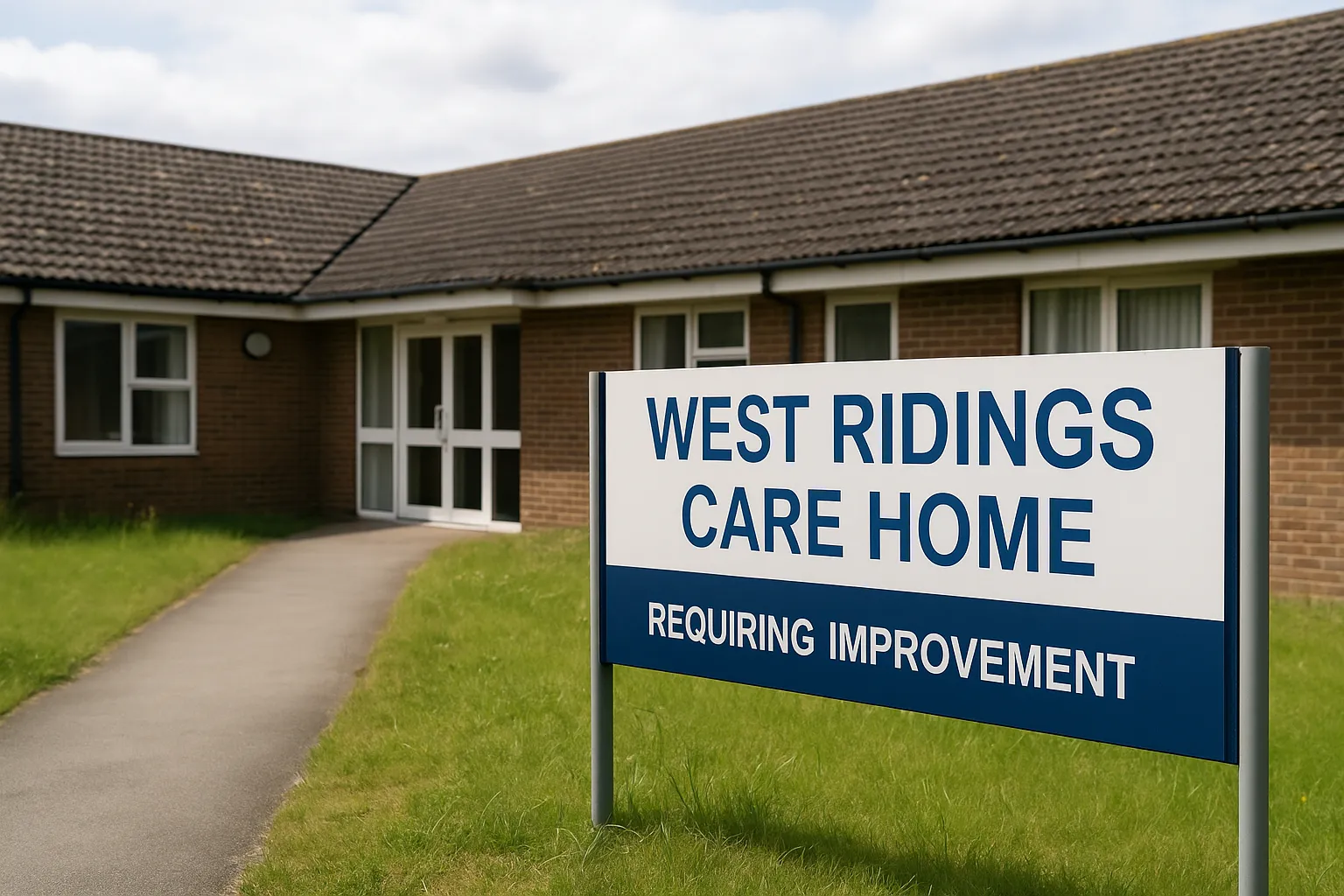
– West Ridings Care Home remains rated inadequate by CQC.
– Special measures imposed to ensure resident safety.
– Inspection revealed continued poor care management issues.
– Advinia Care Homes claims financial constraints affect care.
– New manager appointed; robust action plan implemented.
Full Story
A care home in Lofthouse has been ordered to remain under special measures after a recent inspection found that it continues to provide inadequate care for its residents. The Care Quality Commission (CQC) conducted an assessment of West Ridings Care Home in October, following a previous rating of inadequate issued in July. The ongoing concerns relate to both the safety and management of care for residents, many of whom have complex needs including dementia, mental health challenges, and physical disabilities.
The CQC highlighted the necessity for close observation of the care home, stating that residents’ safety must be the primary focus. In the wake of the latest inspection, inspectors noted that essential improvements had not been made since the last evaluation. The report suggests that deteriorating conditions could lead to serious risks for those living at the facility.
Victoria Marsden, the CQC’s deputy director of operations for adult social care in the north, expressed her disappointment at the findings. “It is very disappointing to see a further deterioration in the quality of care being provided at the home since the last inspection in the summer,” Ms Marsden said. The commission observed issues such as poor leadership and ineffective management of risks, which contributed to unsafe care environments for vulnerable residents.
Specific critiques included incidents of residents experiencing falls, skin tears, and unexplained bruising, raising significant alarm among inspectors. Basic care requirements were reportedly not being met adequately, with frequent instances of residents failing to receive appropriate support for their individual health needs. For example, individuals who were at risk of developing pressure sores were not being repositioned regularly, exacerbating their conditions. Additionally, the management of continence care was deemed insufficient, undermining residents’ dignity and overall wellbeing.
Ms Marsden further explained that the home’s management failed to ensure adequate staffing in critical areas, leading to unattended communal spaces that increase the potential for resident harm. In light of these findings, the CQC has indicated that the care home must operate under special measures, providing a structured timeline for necessary improvements to be made. The CQC emphasized its commitment to monitoring the home closely and reiterated its intent to exercise regulatory powers if substantial changes are not observed.
In response to the CQC’s findings, a spokesperson for Advinia Care Homes Ltd, the company that operates the facility, acknowledged the challenges presented, especially given the high number of residents with significant dependencies and the limited financial resources available. “The safety and wellbeing of our residents is our highest priority, and our teams work tirelessly to provide the best possible support for those in our care,” the spokesperson stated. The company mentioned that despite the financial constraints, their staff remain committed to providing compassionate care.
The spokesperson noted that since the last inspection, there has been a change in management at the home, and a new leader has been appointed to oversee operations. Additionally, an action plan has been put in place to address the issues raised by the CQC. The spokesperson stated, “This leaves providers like us delivering care significantly below cost, and under unsustainable pressure. Despite this, our dedicated team continues to deliver compassionate care.”
The CQC has also initiated the regulatory process aimed at addressing its concerns about the home, giving Advinia Care Homes Ltd the opportunity to appeal against any actions taken. The commission maintains that it will closely monitor the facility and expects rapid improvements to be realised. “We have told leaders where we expect to see rapid improvements and will continue to monitor the home closely to keep people safe while that happens,” Ms Marsden added.
While residents and their families may be feeling the effects of this ongoing situation, the support and oversight from the CQC aim to ensure that necessary changes are implemented effectively. Stakeholders, including family members of residents, have expressed deep concerns about the current state of care at West Ridings, emphasizing the importance of transparency and accountability within care homes.
As the situation unfolds, it remains to be seen how the new management will address the CQC’s concerns and implement its action plan to restore quality care at West Ridings Care Home. The commission’s ongoing supervision will be crucial in determining whether improvements can be sustained and whether the wellbeing of residents can be assured moving forward.
In conclusion, the CQC’s continued findings of poor care at West Ridings Care Home has raised significant concerns about the standards of care and the overall management of such facilities in the region. As the issue gains wider attention, local communities and advocacy groups are likely to call for a closer examination of care home practices, ensuring that vulnerable individuals receive the dignified and safe care they deserve.
Our Thoughts
The situation at West Ridings Care Home highlights several critical failures related to UK health and safety legislation, particularly under the Health and Social Care Act 2008 and the Care Act 2014. To prevent such incidents, the leadership could have prioritized effective risk management and staffing to ensure resident safety. The ongoing supervision of high-dependency residents should have been maintained, addressing the inadequacies in care for those at risk of skin tears, pressure ulcers, and falls.
Key lessons include the importance of effective leadership and a proactive approach to staff training and management, as well as the need for comprehensive action plans that are not only implemented but monitored for efficacy. The continued breaches of regulations related to safeguarding and care standards suggest that adherence to the CQC guidelines was insufficient.
Future incidents could be mitigated by ensuring that care homes receive adequate financial support to maintain staffing levels and resources. Enhanced regulatory oversight, frequent inspections, and immediate corrective actions for care deficiencies are essential in safeguarding residents. The reliance on “robust action plans” without timely evaluations has proven inadequate in this case.