














Story Highlight
– Thousands of women feel unsafe in ill-fitting PPE.
– Two-thirds reported receiving uncomfortable work clothing.
– One in five struggled to perform their job.
– PPE issues pose safety risks and health hazards.
– GMB advocates for inclusive, properly fitting PPE standards.
Full Story
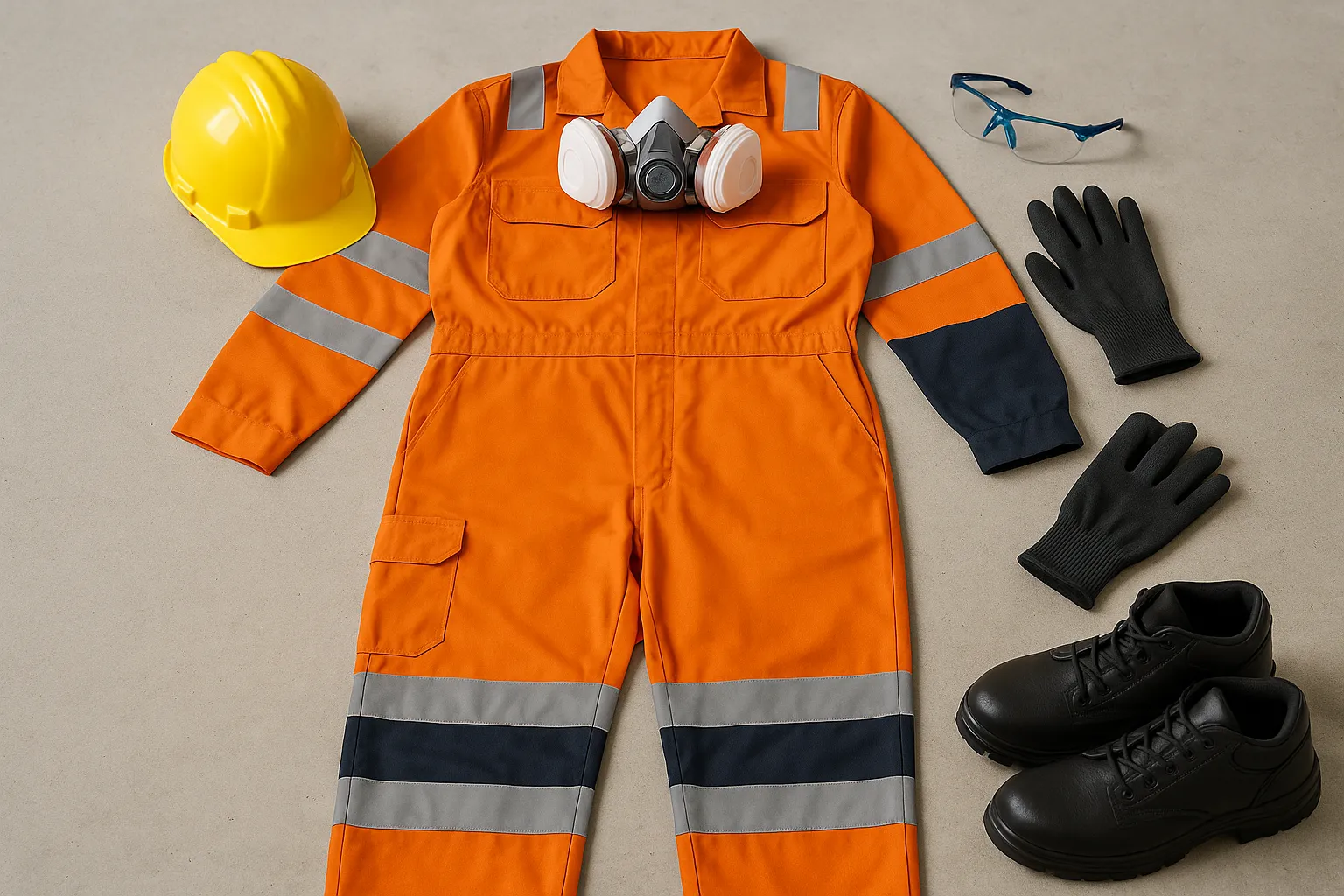
Thousands of women across various sectors are expressing concerns regarding the inadequacy of personal protective equipment (PPE) tailored for their needs, as highlighted by a recent report from the GMB union. The findings draw attention to a significant issue: many female employees are compelled to wear PPE originally designed for men, leading to feelings of discomfort and vulnerability in their working environments.
A comprehensive survey conducted among GMB members revealed that a substantial number—over 66%—have reported receiving ill-fitting work apparel. Alarmingly, around 20% stated they are unable to perform their tasks effectively due to uncomfortable clothing, while approximately 60% described their work attire as highly uncomfortable.
One custody officer shared her troubling experience, detailing how her “low-rise pants that don’t work for a lot of women’s body shapes” have resulted in unwelcome comments from prisoners regarding her clothing. In another case, a female worker in the textile industry expressed her serious safety concerns: “The problem is not just discomfort; it is a safety violation that increases risk. Oversized gloves create an entanglement hazard with machinery, and respirators that don’t seal properly expose me to hazardous wood dust and chemicals, threatening my long-term health.”
This situation has prompted the GMB union to advocate for an urgent revision of health and safety regulations that govern the distribution of PPE. They stress the necessity of ensuring that all workers, particularly women, are provided with properly fitting protective gear.
One respondent from the survey articulated the pervasive issue succinctly: “For years, PPE for women has been men’s clothing shrunk and dyed pink, they call it ‘shrink and pink,’ which is frankly ridiculous. We need PPE that is truly inclusive, no matter your size, shape, gender, or disability.” The sentiment underlines a broader demand for innovation in the design of workwear, reflecting an inclusive approach that meets the varied needs of all workers.
The campaign led by the GMB aims to align with the introduction of a new British Standard for PPE. This initiative is seen as a crucial step towards establishing standards that prioritise safety while promoting the well-being of female workers who have traditionally been overlooked in PPE design.
The implications of ill-fitting PPE extend beyond mere discomfort; they pose genuine safety risks. Workers, particularly in roles that require physical agility, such as those in healthcare, construction, and manufacturing, may find that their performance is compromised by clothing that does not accommodate their bodies appropriately. This can lead not only to reduced efficiency but also to accidents and injuries that could be avoided with properly designed equipment.
Experts in occupational health and safety stress the importance of ergonomically designed PPE. They argue that the failure to provide women with suitable protective wear not only jeopardises their safety but also reflects a broader systemic issue within workplace equality. According to Dr Lisa McMahon, a well-regarded occupational health consultant, “The standardisation of PPE without consideration for women’s body types is fundamentally flawed. Each individual should have access to equipment that ensures their health and safety.”
The consequences of inadequate PPE are particularly concerning in the context of the ongoing public health challenges presented by the COVID-19 pandemic. Various professions, particularly those involving frontline work in healthcare, have faced enormous challenges, making proper PPE even more critical. Anecdotes from healthcare workers underscore how ill-fitting gear affects their performance and sense of security in potentially life-threatening environments.
Women nurses, for instance, have reported facing disruptions due to the lack of suitable designs in protective gowns and masks, with some highlighting that the garments do not accommodate their body shapes, which can lead to excessive exposure in sensitive areas. Additional cases point to similar issues in industries like manufacturing, where workers are routinely exposed to hazardous materials but lack the specialised gear necessary to ensure their protection.
In light of these pressing demands, the GMB’s push for reform has garnered support from numerous advocacy groups and industry leaders who agree that the current stature of PPE design must evolve to accommodate all workers equally. The campaign seeks not only to create a safer work environment but also to encourage a more inclusive dialogue regarding women’s health and safety in occupational settings.
The call for change resonates strongly within diverse sectors, inspiring conversations around workplace equity and safety standards that genuinely reflect the needs of all employees. Advocates argue that such a move could set a precedent for other industries to follow, paving the way for a future where all workers feel represented and safe in their occupational attire.
In summary, the growing outcry over the inadequacy of PPE for women highlights an essential issue that requires immediate attention and action. The impetus to reform safety standards will hopefully lead to significant changes that ensure protective equipment is designed with all body types in mind, fostering a more inclusive and safe work environment for everyone. Through continued advocacy and the implementation of new standards, the goal of providing well-fitted, safe PPE to all workers can become a reality.
Our Thoughts
The report highlights significant health and safety issues arising from the provision of ill-fitting personal protective equipment (PPE) to female workers, which contravenes the Health and Safety at Work Act 1974, specifically regarding employers’ duties to ensure the health, safety, and welfare of employees.
To prevent such incidents, employers should conduct thorough risk assessments and consult employees about clothing needs to ensure PPE is appropriately sized and suitable for the specific tasks performed. The creation and implementation of a standard for gender-inclusive PPE is essential for compliance with the Management of Health and Safety at Work Regulations 1999, which require employers to consider workers’ individual needs and provide adequate training on proper PPE usage.
Key lessons include the importance of inclusive workplace practices and the necessity to adapt safety equipment to fit all workers effectively. Moreover, a regular review of PPE standards and training on the implications of ill-fitting equipment—such as entanglement hazards or inadequate protection—would mitigate risks and promote a culture of safety. Overall, enhancing PPE design and availability could significantly reduce workplace risks and improve wellbeing for all employees.