















Story Highlight
– New Road Safety Strategy to include mandatory eye tests.
– Over-70 drivers may face stricter licensing requirements.
– Eye tests required every three years for seniors.
– Changes expected before the end of 2026.
– Criticism regarding ageism in proposed regulations.
Full Story
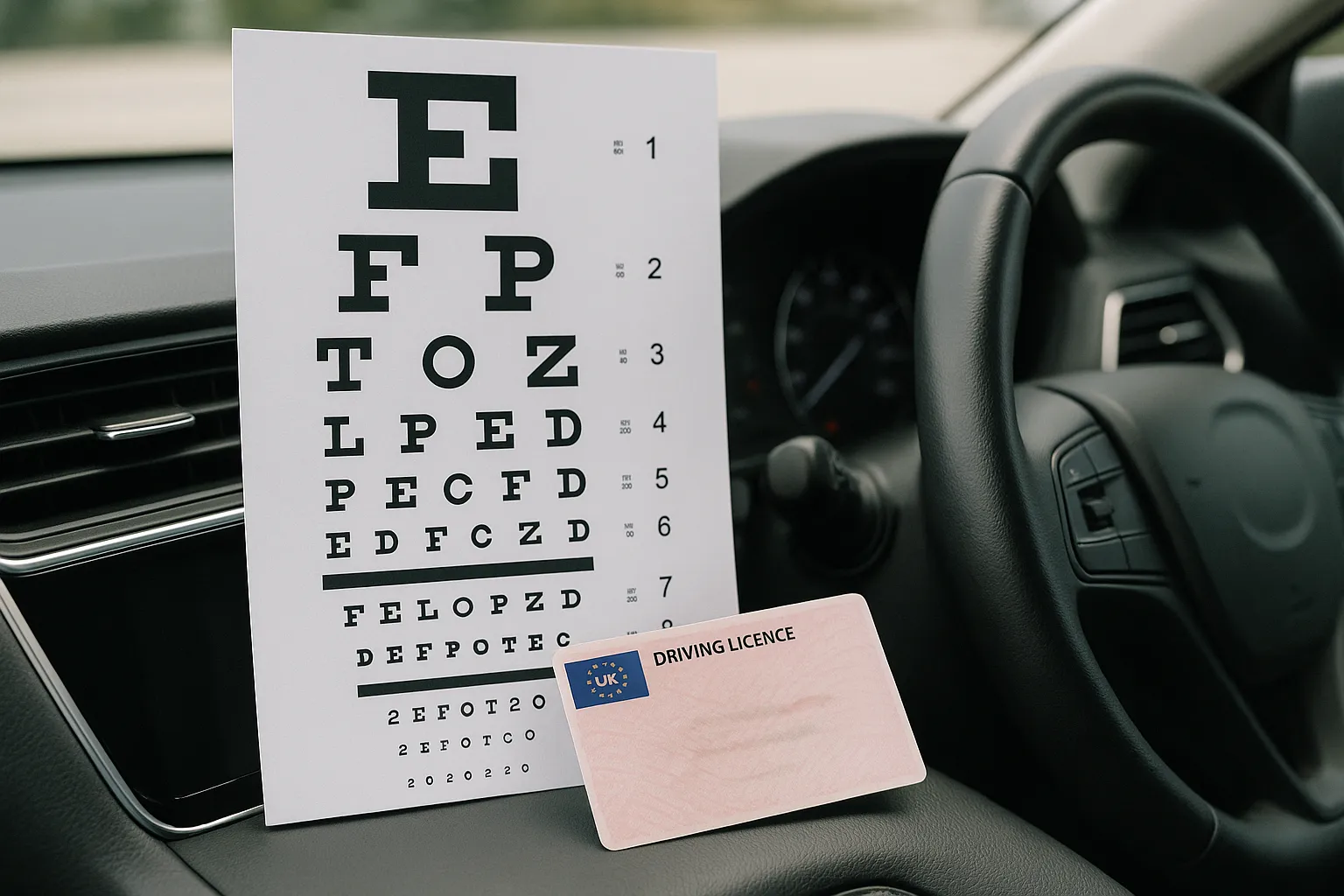
In a significant move aimed at enhancing road safety, the UK government has announced plans for a new Road Safety Strategy that could introduce mandatory eye examinations for drivers aged over 70. This initiative, if implemented, would require senior drivers to pass an eye test every three years to retain their driving privileges. The measures are part of a broader effort to improve roadway safety across the country, alongside anticipated stricter regulations surrounding drink driving, seatbelt usage, and uninsured motorists.
Currently, the rules stipulate that drivers over the age of 70 must renew their driving licenses at three-year intervals. During this renewal process, the Drivers and Vehicle Licensing Agency (DVLA) expects drivers to disclose any changes to their eyesight. The proposed eye tests would add an additional layer of scrutiny, ensuring that these older drivers meet required vision standards before taking to the roads.
These planned reforms have garnered support from several professional organisations, including the College of Optometrists and the Association of Optometrists. These groups have pointed out that the UK stands out in Europe for its reliance on self-reporting in regard to the visual capability of drivers. They argue that by introducing mandatory eye tests, the government could significantly lower road traffic fatalities associated with poor eyesight.
The potential changes to the Road Safety Strategy are expected to be implemented by 2026, although no precise date has been announced. Analysts and stakeholders anticipate that if the policy is approved, drivers over the age of 70 could be facing new requirements soon, with the aim of fortifying road safety not only for older individuals but for all users.
However, the proposals have sparked debate regarding their fairness and practicality. Caroline Abrahams, Charity Director at Age UK, raised important questions about the implications of targeting only older drivers. She acknowledged the benefits of regular eye check-ups, suggesting that maintaining eye health is crucial as people age. Yet she questioned whether a system focused solely on those 70 and older was equitable. “People can develop eye problems at any age, so why confine such an approach only to those aged 70 and not to younger drivers too?” she stated, advocating for regular vision assessments for all drivers, regardless of age. Abrahams expressed concern that the new regulations could be perceived as ageist unless a comprehensive review of the evidence supporting them was conducted.
The conversations surrounding these new regulatory measures reflect broader discussions on how best to ensure road safety for an aging population while also addressing the mobility needs of older drivers. Given that many individuals over the age of 70 are fully capable of driving safely, the government will need to carefully balance safety and accessibility in its final proposals.
As discussions continue, the driving community and public health advocates are being urged to consider all perspectives surrounding the eye test requirement. Additional data and research will likely influence the direction of the policy as stakeholders call for evidence-driven solutions. Citizens are encouraged to remain engaged with future announcements regarding the Road Safety Strategy and its implications.
Ultimately, these planned changes are emblematic of the UK government’s commitment to creating a safer driving environment for all, particularly as the number of older drivers increases. Ensuring that the public is informed and involved in the conversation can help shape an equitable and effective approach to road safety that serves all demographics. The anticipated amendments may pave the way for enhanced safety protocols and could serve as a catalyst for further discussions on how to protect both elderly and young drivers alike.
In the end, while the prospect of mandatory eye tests represents a proactive step towards safer roads, it is crucial for the government to remain transparent and considerate of all drivers’ needs, fostering a culture of safety that is free from bias and grounded in sound evidence.
Our Thoughts
The proposed Road Safety Strategy highlights the need for regular eye tests for drivers over 70, aimed at enhancing road safety. To avoid potential incidents related to visual impairments, a proactive safety culture should be fostered where regular eye examinations are encouraged for all drivers, regardless of age, in line with the Health and Safety at Work etc. Act 1974, which mandates employers to ensure, so far as is reasonably practicable, the health and safety of their employees and the public.
Key safety lessons include the importance of timely and regular health assessments. Additionally, by adopting a broader approach to vision testing, the likelihood of accidents due to undiagnosed visual impairments in younger drivers can be mitigated, aligning with the Management of Health and Safety at Work Regulations 1999.
Should the proposed eye test regulations come into effect, they will help address potential breaches of the Road Traffic Act, specifically driving without adequate vision. To improve road safety overall, it is crucial to encourage vigilance in all drivers concerning their health, implement mandatory eye tests for all ages, and foster open discussions about sight safety on the roads.