













Story Highlight
– NSW government to implement voluntary drug testing at Field Day.
– Anonymous tests provide substance analysis and risk advice.
– Initiative aims to reduce harm and ensure festival safety.
– Previous festival saw multiple drug overdoses during events.
– Concerns raised about effectiveness of ongoing drug trial.
Full Story
The New South Wales (NSW) government is set to implement a scheme for voluntary drug testing at the upcoming Field Day music festival, held annually in Sydney. Scheduled for January 1, this event anticipates the attendance of thousands, with notable performances from acclaimed UK DJs Carl Cox and Jamie Jones.
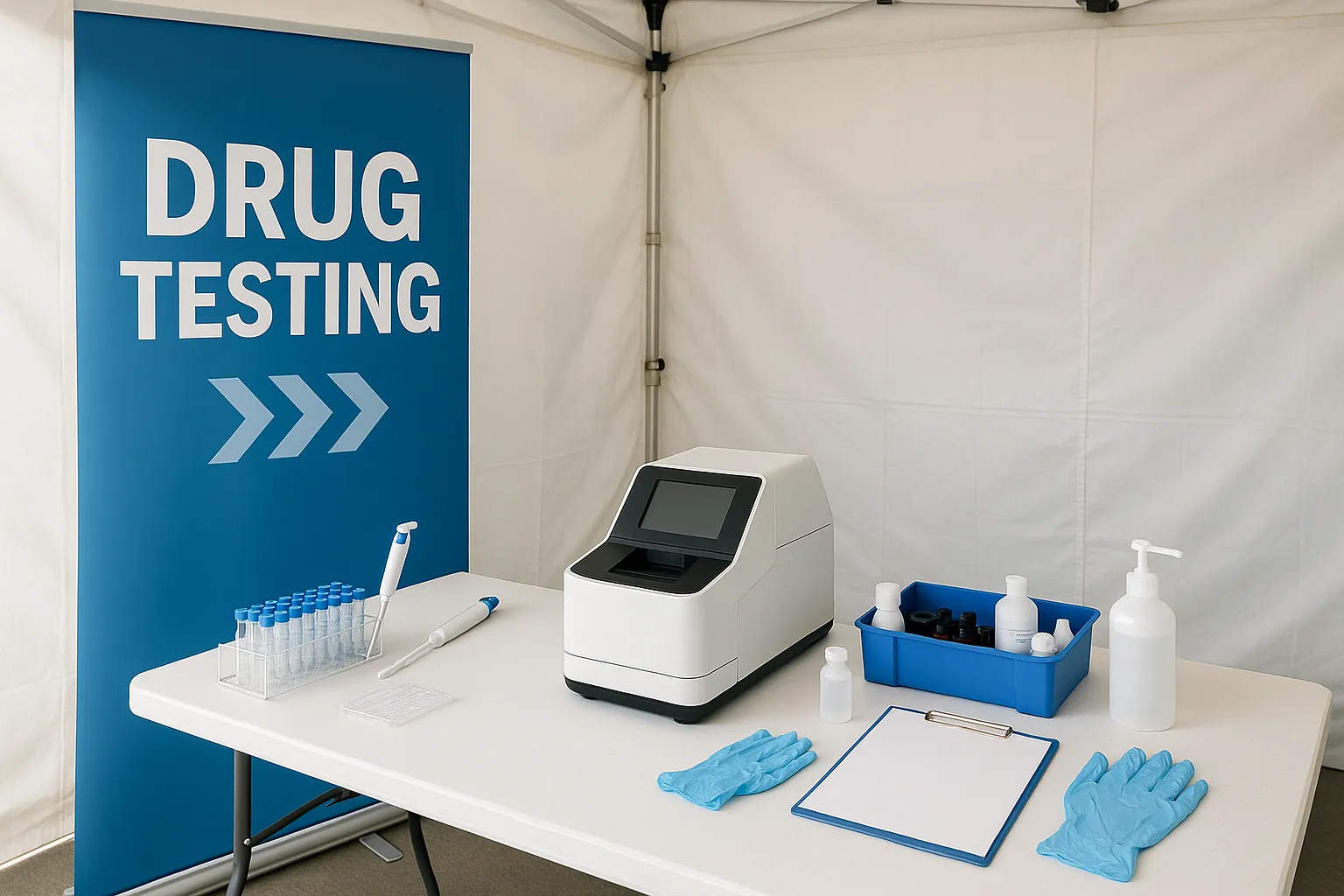
Participants at the festival will have the option to submit to an anonymous test that will analyse various substances. Following the analysis, qualified health professionals present at the venue will offer advice regarding the potential risks associated with the substances tested. In addition to drug testing, festival-goers will be able to access confidential guidance on drug consumption and connect with support services if needed.
This initiative follows recommendations made during the NSW government’s 2024 Drug Summit, which advocated for voluntary and anonymous drug testing at music events throughout the state. Kerry Chant, the Chief Health Officer for NSW, expressed that the overarching aim of the programme is to empower concert-goers to make informed choices regarding their safety. “Our priority is to reduce harm and keep people safe,” Chant remarked, emphasising that while the testing programme provides valuable information, it does not offer an assurance of safety.
This initiative marks Field Day as the ninth festival in the state to adopt such drug testing measures. Chant underscored that although the tests can assist individuals in avoiding potentially dangerous substances, they do not eliminate all risks associated with drug use. “These tests help in discarding high-risk drugs,” she noted, reflecting the cautious optimism surrounding the initiative.
A representative for Field Day reiterated the commitment to safety as a central tenet of the festival’s operations. “Safety is at the heart of everything we do,” they stated. They characterised this programme as a significant advancement towards comprehensive harm minimisation practices, following successful models employed in various locations worldwide. The spokesperson also expressed gratitude for the efforts of volunteers and NSW Health in implementing this programme at Field Day.
This development comes in the wake of heightened scrutiny surrounding NSW’s drug test trials, particularly after alarming incidents at the Knockout Festival. In October, this large-scale event, which saw approximately 60,000 attendees at Sydney Olympic Park, was marred by over a dozen reported drug overdoses. According to NSW Health, five individuals were transported to hospitals as part of urgent medical transfers, and an additional three were admitted for drug-related issues stemming from the festival, as reported by the Daily Telegraph.
At the Knockout Festival, drug testing was part of the ongoing trial introduced in December of the previous year. However, only 319 attendees out of the 60,000 utilised the opportunity to learn more about the substances they intended to consume. This limited engagement has prompted discussions regarding the viability of continuing such testing initiatives into 2026.
NSW Opposition Leader Mark Speakman raised concerns about the effectiveness of the current trial, arguing that there is insufficient evidence to demonstrate that the programme has saved lives. “In fact, it may encourage a false sense of security,” Speakman contended, voicing his concerns regarding public safety at these events.
In light of these concerns, the NSW government’s introduction of voluntary drug testing at festivals like Field Day aims to address substance-related risks more proactively. The initiative not only seeks to inform concert-goers but also positions harm reduction as a priority within the context of the music festival culture, often scrutinised for the potential implications of illicit drug use.
Experts in public health and harm reduction have echoed the importance of such initiatives, noting that they offer a critical resource for reducing the negative consequences associated with drug use. They argue that when patrons are armed with knowledge about their substances, they can make more informed and safer choices.
The implementation of the drug testing programme at Field Day represents a progressive step towards a more integrated approach to festival safety. As events of this nature continue to evolve, the focus remains on minimising harm while allowing individuals the freedom to enjoy their experiences responsibly. The overarching goal is to foster a safer environment at music festivals, where attendees can have fun without compromising their well-being.
With the spotlight on Field Day and the significance of this initiative, stakeholders are hopeful that the outcome of the drug testing programme will yield positive results, encouraging further acceptance of such measures at other events in the future.
Our Thoughts
The article highlights potential shortcomings in managing drug-related risks at music festivals. Key safety lessons include enhancing awareness and accessibility of harm reduction initiatives like drug testing. The low participation rate (only 319 out of 60,000) suggests that more could have been done to promote the service and encourage attendees to utilize it, which may have prevented some overdoses.
Relevant UK health and safety legislation such as the Health and Safety at Work Act 1974 mandates that employers and event organizers ensure the safety of attendees. In this case, clearer communication and advanced planning could have addressed attendees’ concerns about safety and potentially increased participation in voluntary drug testing.
Furthermore, incidents such as the overdoses at the Knockout Festival indicate a need for more rigorous monitoring and support at events, aligning with the Control of Substances Hazardous to Health (COSHH) Regulations. Implementing comprehensive risk assessments and more proactive harm reduction strategies could foster a safer environment and prevent similar incidents from occurring in future festivals.