















Story Highlight
– Shocking care failings reported in UK NHS across 2025.
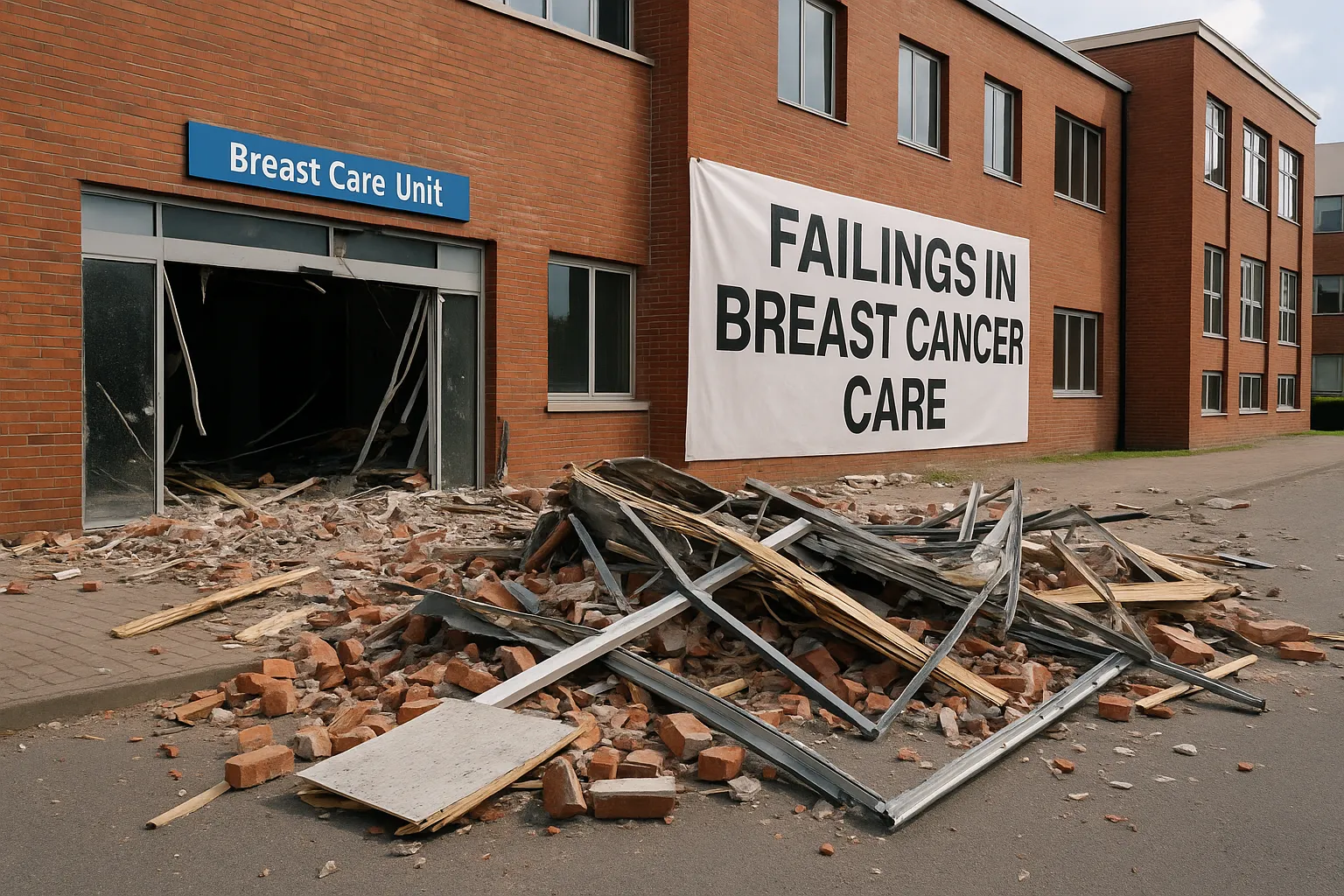
– Investigations revealed serious issues in breast cancer care.
– Heart surgeon faced criticism for multiple patient deaths.
– Public inquiry initiated for mental health care failures.
– Families demand justice and accountability from healthcare services.
Full Story
Concerns within the UK healthcare system intensified over the course of 2025, exposing significant failings in several critical areas. Notably, the North East has been the focal point of distressing scandals involving breast cancer care in County Durham, heart surgery issues in Newcastle, and troubling aspects of mental health services in the Tees, Esk and Wear Valleys region. The incidents have left many families seeking answers and accountability as they face the consequences of inadequate medical care.
In County Durham, the County Durham and Darlington NHS Trust initiated an investigation in April 2025 into the quality of breast cancer services following multiple alarming reports that highlighted serious deficiencies. By July, an investigation led by both the Northern Cancer Alliance and the Royal College of Surgeons revealed significant lapses in compliance with best practices. The findings indicated a concerning trend where patients underwent unnecessary surgeries and failed to receive appropriate post-operative care, including essential chemotherapy and reconstructive options.
Catriona McEvoy, a patient affected by these failings, shared her harrowing experiences, stating that she had surgery without proper preparation and later discovered that critical information regarding her health was overlooked. The Trust has since announced a comprehensive review of their services, with interim leadership pledging to “rebuild” their governance structures to enhance accountability and patient safety. Chief Executive Steve Russell expressed deep remorse for the treatment patients received, acknowledging the heartbreaking nature of many cases and the breaches of trust that occurred.
Meanwhile, Newcastle’s Freeman Hospital, renowned for its cardiothoracic services, faced scrutiny after an internal investigation uncovered failures associated with a particular surgeon, Karen Booth. Reports indicated that her surgical practices contributed to the deaths of several patients, igniting claims of medical negligence. Notably, Ian ‘Beano’ Philip, 54, tragically passed away following a routine heart valve operation where surgical debris obstructed his arteries. Newcastle Hospitals NHS Trust admitted to the negligence during legal proceedings, agreeing that Mr Philip’s death could have been prevented with appropriate surgical interventions.
The troubling incidents surrounding other patients further compounded the controversy at the Freeman. Reports revealed a concerning pattern of complaints from colleagues regarding Dr Booth’s performance, with 22 cases raised between April 2018 and April 2021 related to adverse outcomes arising from her surgeries. While hospital officials maintained their procedure statistics aligned with national averages, they acknowledged lapses in care that could not be overlooked.
Additionally, a debate regarding the use of specific heart devices, namely the left ventricular assist device known as HVAD, emerged. Concerns from families whose loved ones died while using this device led to calls for clarity about its effectiveness compared to alternatives. After a thorough investigation, hospital authorities relayed that they had decided against migrating to a more effective device earlier due to variable clinical data. The HVAD was eventually withdrawn due to rising evidence linking it to an increase in adverse outcomes, including strokes and fatalities.
The mental health sector also saw its share of tragedies. A long-standing concern over the treatment of inpatients within the Tees, Esk and Wear Valleys NHS Trust culminated in December 2025 when the Health Secretary, Wes Streeting, announced a statutory public inquiry into the trust’s practices. This inquiry will delve into the systemic failures that led to the deaths of several teenagers, including Christie Harnett, Nadia Sharif, and Emily Moore. Their stories echo a broader narrative of neglected mental health services that have tragically resulted in the loss of young lives.
Health Secretary Streeting praised the resilience of families advocating for better mental health care and articulated a renewed commitment to high-quality, dignified treatment for all patients. He affirmed that the inquiry would strive to ensure that the failures leading to such heartbreaking outcomes would not be repeated.
These scandals, encompassing various facets of the healthcare system, have not only shattered the trust of many families but have also underscored the critical need for systemic reform and oversight across UK health services. A clearer focus on patient safety, accountability, and quality of care is paramount as families grappling with the fallout from these failures await justice and answers in 2026.
As investigations progress and reforms unfold, affected individuals and communities remain hopeful for improvements that will restore confidence in the healthcare system and prevent recurrence of these distressing events. The collective determination of bereaved families, health professionals, and advocacy groups is a testament to the urgent need for an overhaul of care standards across Northern England, signalling a pivotal moment for the future of it.
Our Thoughts
In light of the incidents regarding care failings in the NHS, several key safety lessons emerge. Firstly, better governance and accountability mechanisms should have been instituted to prevent early warnings from being overlooked, as highlighted in the breast cancer care scandal. The lack of adherence to established best practices breached the Health and Social Care Act 2008, which mandates safe and effective care delivery.
Moreover, in the case of heart surgery, thorough monitoring and timely intervention by regulatory authorities may have identified the surgeon’s capabilities sooner, thereby preventing deaths. This relates to the Care Quality Commission’s (CQC) regulations requiring ongoing assessment of healthcare professionals.
Additionally, the mental health care failings indicate a systemic issue where patient feedback was inadequately integrated into care improvements. The absence of a comprehensive review process contravenes the expectations set out in the Mental Health Act 1983, which requires adequate provision for patient safety.
To prevent similar incidents, trusts must establish transparent reporting systems, implement regular training for staff, and ensure rigorous scrutiny of care standards, alongside fostering a culture that encourages raising concerns without fear. This would help restore patient trust and enhance overall care quality in the NHS.