















Story Highlight
– Cygnet Kenney House ordered to improve patient care.
– Patients reported feeling unsafe and receiving expired medications.
– Staffing levels deemed inadequate, impacting patient safety.
– Some staff were dismissive of patient distress.
– Hospital manager committed to immediate improvement actions.
Full Story
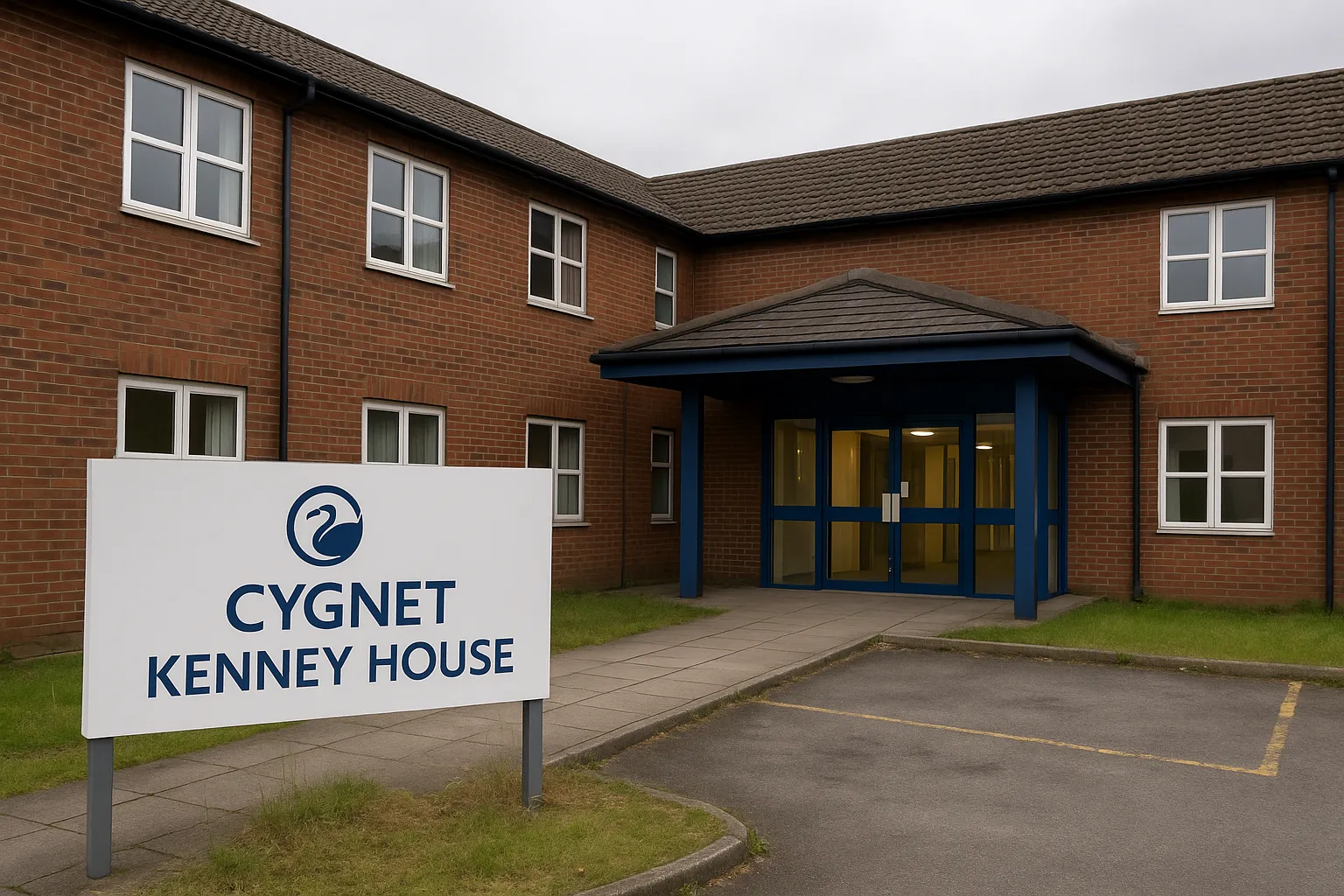
A mental health facility in Oldham, known as Cygnet Kenney House, has received a formal warning regarding its care standards following an inspection by the Care Quality Commission (CQC). The report highlighted serious deficiencies, with patients expressing feelings of unsafety and inadequate responses from the staff during critical situations.
The CQC’s findings revealed that the facility, located on Wester Hill Road, fell short of several safety regulations, prompting the need for immediate improvements. Among the most concerning issues noted by inspectors was the administration of out-of-date medications and significant lapses in medication management, exemplified by the unavailability of certain prescribed drugs for extended periods, in some cases exceeding a week.
Patients’ experiences within the wards were alarming. For instance, during the assessment of the Harben ward, which serves as a high-dependency rehabilitation unit for women, it became evident that staffing levels were insufficient. The ward, accommodating seven individuals, was criticized for slow reaction times to incidents and a general lack of engagement from staff. One patient’s distress was met with an inappropriate response from a staff member who reportedly told her to “stop crying, you are making me sad.”
In a different ward, dubbed Baldock, which provides acute treatment to up to 16 women, the situation was similarly troubling. Residents reported that their food and fluid intake was not appropriately monitored, and staff were subjected to extended observation shifts that were longer than regulations suggested. Two patients indicated they felt neglected during moments of distress, with one articulating a wait time of over three hours before being permitted to leave the facility. However, it should be noted that some patients acknowledged that, when interactions did occur, staff generally treated them well.
The CQC’s report specified that Cygnet Kenney House ‘required improvement’ in both care and management while being rated ‘inadequate’ in safety standards. The inspection underscored the necessity for a higher number of qualified staff to ensure the safety and needs of patients were adequately met. The report stated, “During the assessment we found that the provider did not have enough suitably qualified, competent, skilled, and experienced staff deployed to keep service users safe.”
In the aftermath of the inspection, Jennifer Healey, the hospital manager, emphasized the institution’s commitment to upholding patient safety as a top priority. She stated, “The safety of our patients is our highest priority, and we take the delivery of safe care extremely seriously.” Following the CQC’s recommendations made in September, the hospital initiated a robust improvement strategy focusing on managing risks associated with ligatures, enhancing the management of medications, and bolstering staff training.
Healey further mentioned, “The service was rated Good in both the Effective and Responsive domains, reflecting the quality of care being provided in those areas. We look forward to demonstrating clear and sustained progress at the next inspection.” The hospital is evidently optimistic about its trajectory towards achieving compliance with the necessary standards set forth by the CQC.
The concerns raised underlie a broader debate regarding the standards of care in private mental health facilities. While the significance of commendable medical treatment in the psychiatric landscape cannot be understated, the incidents reported by patients at Cygnet Kenney House punctuate the potential vulnerabilities that exist within such institutions. Mental health experts are increasingly vocal about the necessity for heightened regulatory oversight to ensure that the rights and well-being of patients are protected in every environment.
As Cygnet Kenney House works through its improvement plan, the attention of families, advocacy groups, and the wider public is likely to remain focused on how effectively corrective measures are implemented. The hospital’s journey forward may serve as a case study, illustrating the dynamics between healthcare regulation and the imperative of patient care in a private setting.
Improving care in mental health services is not only about rectifying deficiencies but also integrating a culture of compassion and responsiveness into everyday practices. The insights gained from direct patient feedback could lead to the enhancement of not only staffing levels but also the manner in which staff interact with individuals in crisis.
In summary, the CQC’s intervention at Cygnet Kenney House highlights critical areas requiring significant enhancements in patient safety and overall care standards. As the facility embarks on its improvement journey, the hope is that lessons learned will catalyse necessary changes, ensuring that every patient receives safe and compassionate care.
Our Thoughts
The situation at Cygnet Kenney House reflects significant breaches of UK health and safety regulations, particularly the Health and Social Care Act 2008 (Regulated Activities) Regulations 2014, which emphasizes safe care and treatment. To avoid the issues encountered, the hospital could have improved staffing levels to ensure adequate supervision and support for patients. Insufficiently trained staff contributed to poor patient responses, highlighting the need for regular training in communication and crisis management.
Proper medicines management protocols should have been firmly established to prevent the dispensing of out-of-date medication and to ensure that all prescribed drugs were available promptly. Additionally, regular audits and assessments could have identified gaps in care delivery, allowing for timely corrective measures.
Key safety lessons include the importance of maintaining appropriate staff-to-patient ratios and ensuring staff are equipped to handle emotional distress in patients. Implementing robust reporting mechanisms for medication management and incident response is crucial for enhancing patient safety. Regular training updates and adherence to safety standards are essential to prevent similar incidents in the future.