














Story Highlight
– Snow and ice warnings issued across the UK.
– Amber warnings in northern Scotland from Friday midday.
– Up to 40cm of snow expected on higher ground.
– Travel disruptions anticipated for roads, buses, and trains.
– Health risks highlighted for vulnerable populations during cold.
Full Story
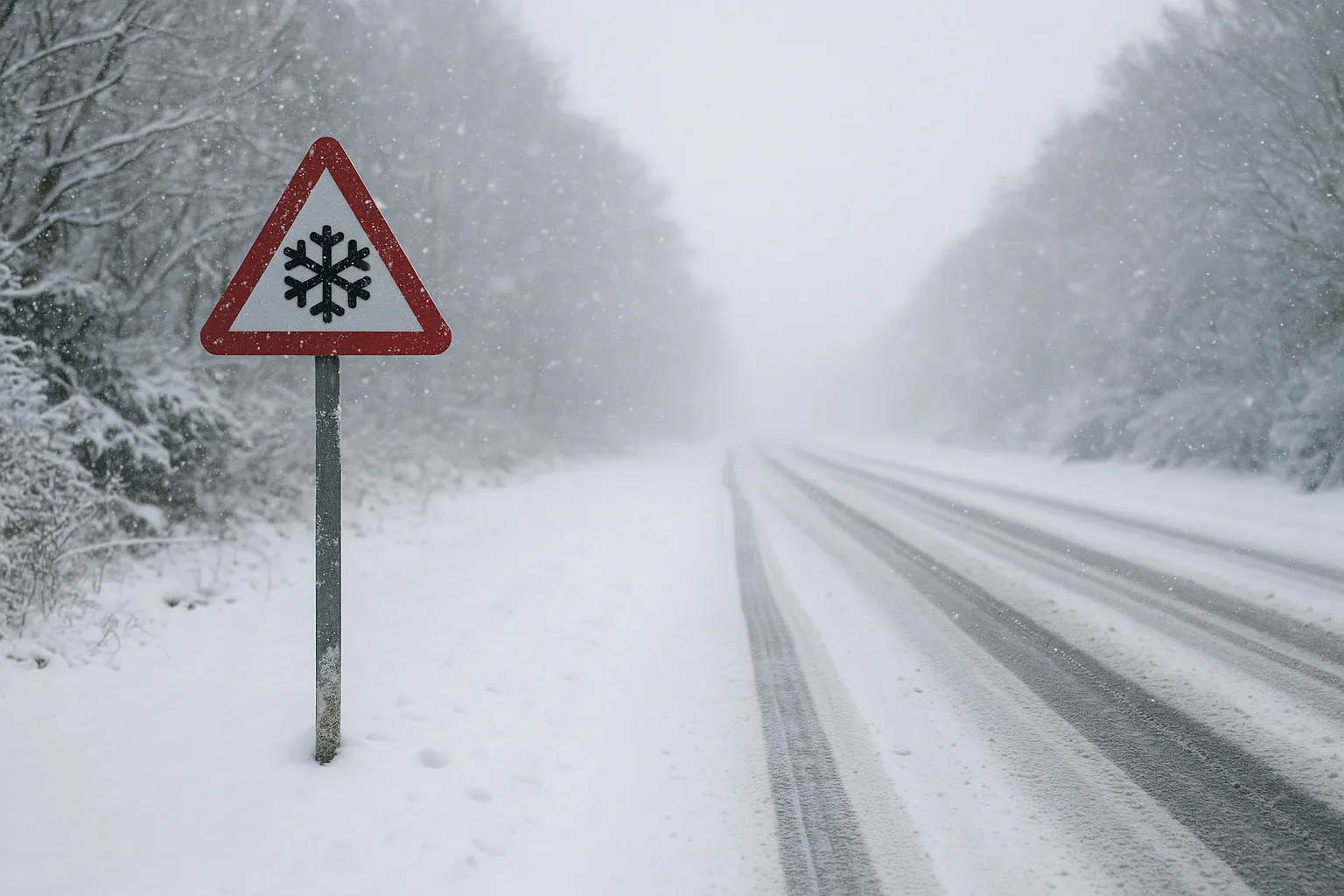
An extensive cold front is set to sweep across the UK on Friday, prompting significant travel warnings and potential disruptions due to forecasted snowfall and icy conditions. As the wintry weather approaches, the Met Office has issued yellow weather alerts for regions including London, Greater Manchester, and Cardiff. In northern Scotland, more severe amber warnings come into effect at midday on Friday, indicating the likelihood of heavier snowfall and hazardous conditions.
As the wintry weather moves southeast into parts of England and Wales on January 2, major travel disruptions are anticipated. A yellow weather warning, indicative of hazardous conditions due to snow and ice, is in effect across considerable areas of England and Wales from early Friday morning until noon. Meanwhile, the south-western parts of England have been issued a separate yellow ice warning, valid until 10am, underscoring the need for caution.
Meteorological forecasts suggest that some regions may experience around 2cm of snowfall, with elevations possibly receiving up to 5cm. Following heavy snowfalls on New Year’s Day, the Highlands and north-east Scotland have already faced difficulties on the roads, with conditions expected to deteriorate further, particularly during the weekend as blizzard-like circumstances are expected to persist.
The amber alerts for northern Scotland remain active until noon on Saturday, suggesting considerable snowfall accumulations in certain areas. The Met Office warns that regions under amber warning may experience power outages and stranded vehicles. Predictions indicate that low-lying areas could see snow accumulations reaching 20cm, while higher ground may see totals of up to 40cm.
The Met Office’s detailed description of the amber warning highlights that frequent heavy snow showers are likely to coalesce into extended periods of snow. It stressed that the window of time specified for the amber warning correlates with the heaviest and most impactful snowfall anticipated during this cold spell, with the broader yellow warnings covering a larger geographical area over an extended timeline. Additionally, adverse wind conditions may contribute to snow drifting, creating temporary blizzards.
Chief Superintendent Scott McCarren, who oversees road policing for Police Scotland, has urged motorists to plan their journeys with caution and to assess the necessity of travel in such adverse weather conditions. “Our advice is to plan ahead and consider if your journey is really necessary during the bad weather or if it can be delayed until conditions improve,” he remarked. He further advised drivers to adjust their speed according to road conditions, prepare for delays, and allow additional travel time. McCarren emphasized the importance of respecting road closures, which are instated prioritizing public safety.
The yellow weather warnings extend to cover significant urban and travel hubs, including areas from Chester and Greater Manchester down to London and Kent, effective between midnight and noon on Friday. Similar yellow warnings have been issued for Northern Ireland, effective until 10am.
The anticipated increase in travel over the coming days is notable, with the Automobile Association (AA) forecasting around 20.7 million car journeys across the UK on January 2. This marks a rise from the predicted 18.0 million trips on New Year’s Day, as the public returns to their daily routines after the holiday period. Given the forecast, people are being encouraged to prepare for extended journey times on not only roadways but also bus and train networks.
A representative of the Met Office has indicated that this cold spell is likely to persist through the weekend and into the following week. As temperatures remain significantly below average, there could be further weather warnings issued as snow showers continue across various locations.
Amidst the adverse weather, the UK Health Security Agency (UKHSA) has released advisories for England that aim to address potential health risks associated with the cold. These alerts will remain valid until 10am on January 6. The UKHSA predicts that the frigid weather could have substantial impacts across health services, especially increasing the risk of fatalities among individuals with pre-existing health conditions or those aged 65 and above.
Dr Paul Coleman, a consultant in health protection at the UKHSA, has commented on the potential health implications of the cold spell, emphasizing the necessity for communities to take action. “The weather is forecast to be very cold across England over the coming few days,” he stated. He cautioned that exposure to such low temperatures can increase the risk of heart attacks, strokes, and chest infections, particularly among vulnerable groups. Dr Coleman stressed the importance of checking on friends, family, and neighbours who may be more susceptible to the severe cold conditions.
As the UK braces for these wintry challenges, authorities and health agencies remain vigilant, urging everyone to adhere to safety guidance and remain proactive in safeguarding their health amidst the harsh weather conditions.
Our Thoughts
To prevent the risks associated with adverse weather conditions as outlined in the article, several measures could have been implemented, adhering to UK Health and Safety legislation. Key actions include improving public awareness through effective communication strategies and issuing timely weather alerts, which could help individuals make informed decisions about travel.
Employers should ensure that a clear plan for adverse weather is in place, aligning with the Health and Safety at Work Act 1974, which mandates that employers ensure the health and safety of workers while they are on duty. This includes conducting risk assessments regarding travel during severe weather and allowing for flexible working arrangements as necessary.
Highway authorities should enhance road safety by promptly clearing snow and ice and coordinating with local police to manage road closures effectively, thus protecting motorists. Furthermore, public sector organizations, especially in health and social care, should be prepared for increased demand during such weather events, in compliance with the Management of Health and Safety at Work Regulations 1999.
Overall, ensuring better preparedness and communication can mitigate hazards associated with severe winter weather, keeping both the public and services safe.