















Story Highlight
– HSENI examines Evri’s Mallusk parcel depot over safety concerns.
– Staff reported issues with toilet facilities and fire safety.
– Evri faced scrutiny for delayed and missing Christmas parcels.
– GMB union noted high parcel volume caused initial chaos.
– HSENI continues to collaborate with Evri for compliance.
Full Story
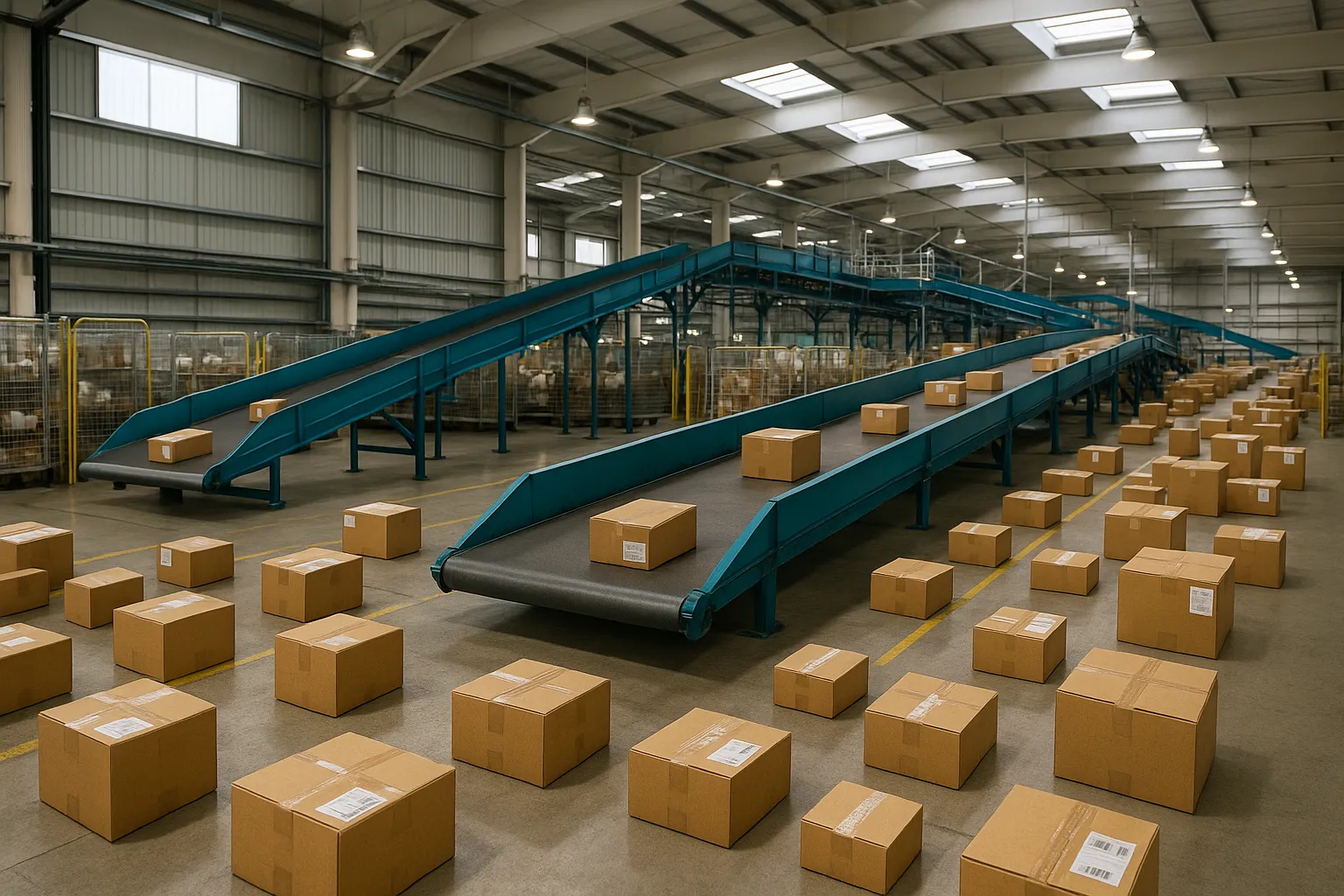
A parcel distribution centre operated by Evri in Mallusk, County Antrim, is currently under the scrutiny of the Health and Safety Executive for Northern Ireland (HSENI). This inquiry stems from various concerns expressed by employees regarding their working conditions since the facility began operations in September.
The HSENI has made multiple visits to the site, affirming its commitment to ensuring that the depot complies with health and safety regulations. A representative from HSENI stated, “We are continuing to work with Evri to ensure that legal compliance is achieved and sustained.”
Evri has responded by emphasising that the well-being of its workforce is of utmost importance. The company reassured the public and its employees that it is actively collaborating with relevant authorities to uphold the high safety standards expected within its facilities.
Throughout the busy Christmas period, Evri encountered significant criticism over service delays, with customers reporting late and missing parcels. In response to these issues, the delivery firm issued an apology and reiterated its plans to enhance its operational capabilities in Northern Ireland.
The GMB trade union, which supports a number of Evri’s employees, has voiced concerns that the newly established £1.3 million depot has contributed to operational difficulties during the holiday season. Reports indicate that staff have raised issues related to inadequate toilet facilities and fire safety compliance at the site.
As the body overseeing workplace safety in Northern Ireland, HSENI conducted a series of inspections at the Evri facility on three occasions between late September and early December. Following its assessments, HSENI confirmed that it has been working collaboratively with Evri to make sure all legal health and safety regulations are being followed diligently. Additionally, they have been in communication with various regulatory bodies about matters concerning the location.
The Northern Ireland Fire and Rescue Service (NIFRS) has also been involved, with officials confirming that inspections were carried out at the request of HSENI. A spokesperson for NIFRS stated, “We conducted a fire safety inspection of the premises in accordance with our fire safety enforcement policy and any issues raised were resolved.” After a subsequent visit, the NIFRS indicated that compliance with fire safety regulations was being systematically adhered to.
Alan Perry, a representative from the GMB union, remarked on the volume of parcel traffic at the depot as a primary concern among staff. However, he noted that improvements have been made since the initial concerns were raised. “We’re working productively with the company to alleviate any concerns and teething issues that may still remain with the site,” Perry commented. “It was more around the volume of the movements to the new hub in the month of Christmas. Clearly, the sheer number of parcels was causing issues, alongside the expectations placed on staff during this busy period.”
In its statement, Evri explained that the opening of the new depot coincided with one of its busiest seasons leading up to Christmas. The company clarified, “The safety of our people is a priority, and following the opening of our brand new depot in Belfast, we appreciate the support of HSENI during one of our busiest peak periods to date.” The spokesperson elaborated that the site represents a significant investment in Northern Ireland, enhancing local operations and creating additional employment opportunities.
The role of HSENI in this situation was brought to light by Economy Minister Caoimhe Archibald from the Sinn Féin party, who highlighted that the Executive has been in regular contact with representatives from the GMB Union regarding Evri’s distribution partners. Archibald’s comments came in reaction to a written inquiry from Ulster Unionist Party assembly member Diana Armstrong, who sought clarity on the state of safety compliance at the depot.
As inquiries continue and improvements are implemented, the implications of these developments for Evri’s operational effectiveness in Northern Ireland remain notable. The balance between maintaining safety and meeting high customer demand during peak seasons poses ongoing challenges for logistic operators like Evri, as they strive to enhance their services while ensuring the welfare of their workforce.
The scrutiny of the Mallusk depot serves as a reminder of the importance of regulatory oversight in maintaining health and safety standards, especially within fast-paced sectors like parcel delivery. In an era where online shopping has surged, the expectations for timely, reliable service are higher than ever, putting pressure on providers to refine their operational capabilities while safeguarding the interests of their employees.
As the situation evolves, stakeholders, including workers, union representatives, and regulatory agencies, will continue to monitor Evri’s performance and ensure that the highest standards of health and safety remain paramount in its operations moving forward.
Our Thoughts
The situation at the Evri depot highlights significant health and safety concerns that could have been mitigated. Key safety lessons include the importance of conducting thorough risk assessments before operational changes, especially when opening a new facility during peak periods. The Health and Safety at Work Act 1974 mandates that employers ensure, as far as is reasonably practicable, the health, safety, and welfare of employees. Evri’s management should have anticipated the increased parcel volume and its implications on employee safety and working conditions.
Concerns regarding inadequate toilet facilities and fire safety suggest breaches of the Workplace (Health, Safety and Welfare) Regulations 1992, which require maintaining suitable welfare facilities and ensuring safe evacuation routes. Proactive measures, such as improved facility planning and regular communication with staff about potential challenges, could have addressed these issues early on.
To prevent similar incidents, implementing a robust health and safety culture, consistent training for employees, and engaging with trade unions for feedback can foster a safer working environment. Continuous monitoring and adaptation in response to operational demands are also critical in maintaining compliance with health and safety regulations.