
















Story Highlight
– Futamura Chemical fined £200,000 for safety violations.
– Employee died after exposure to hydrogen sulphide gas.
– HSE found inadequate risk assessment for gas build-up.
– Safety failures linked to drainage system oversight.
– Importance of thorough risk assessment emphasized by HSE.
Full Story
A packaging manufacturer based in Cumbria has faced significant legal consequences following the tragic death of an employee due to exposure to hydrogen sulphide gas. Futamura Chemical UK Ltd, which operates out of Wigton, was fined £200,000 for health and safety violations after a comprehensive investigation revealed shortcomings in risk management procedures connected to hazardous gas emissions at the facility.
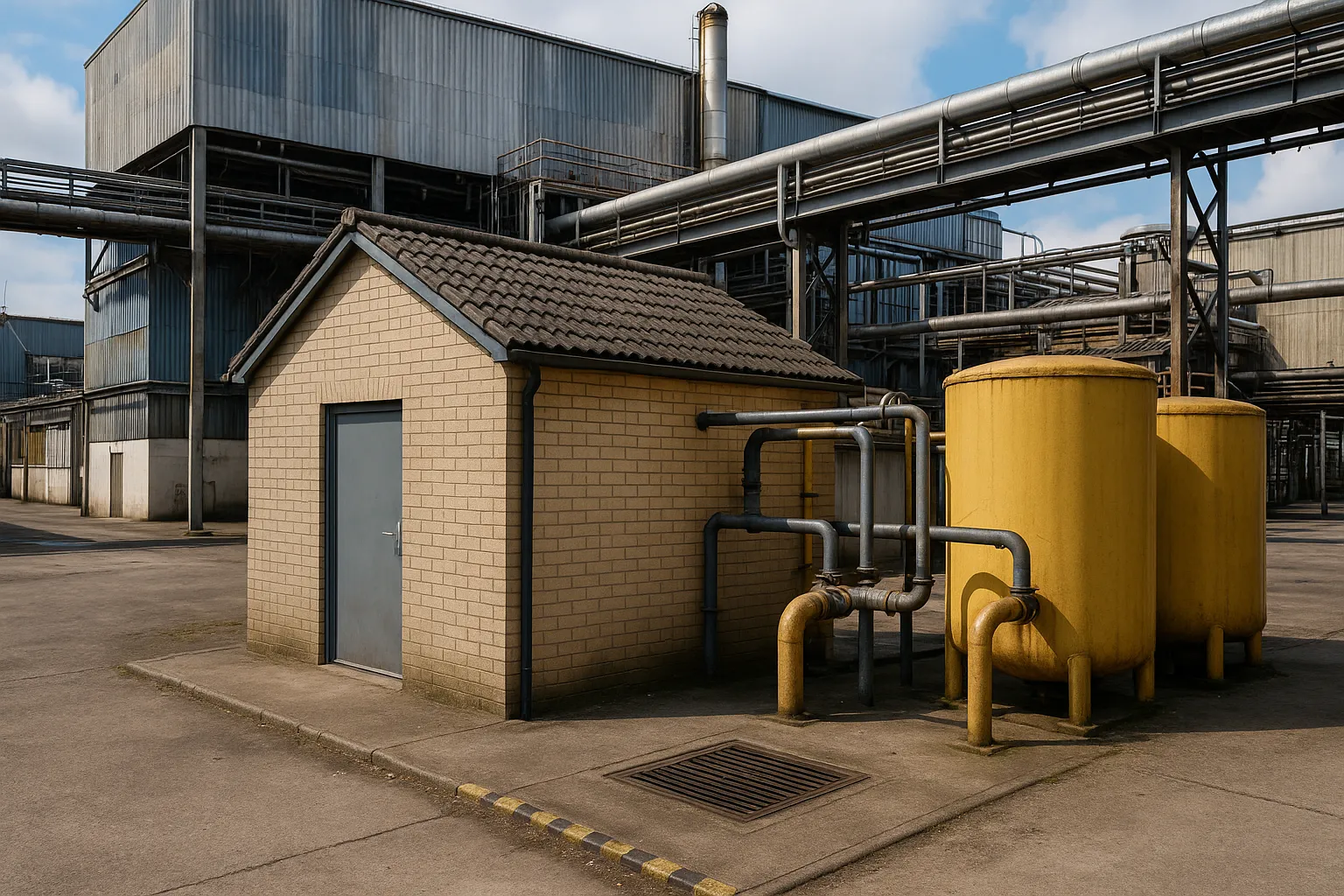
The incident that prompted this legal action occurred on December 24, 2021, when Alexander Cole, a valued employee of the company, was discovered collapsed in the pump room of the site. Immediate attempts to assist him were made by Robert Dyer, a delivery driver, who entered the premises to help but was also incapacitated by the same toxic gas. While Mr Dyer was able to regain consciousness after being rescued, Mr Cole succumbed to the effects of the gas and tragically passed away in hospital on Christmas Day.
An inquest later determined that hydrogen sulphide exposure played a contributory role in Mr Cole’s death. This gas, often described as having a scent reminiscent of rotten eggs, poses considerable health risks and can lead to a range of symptoms from dizziness and eye irritation to serious health complications and even fatality, dependent on concentration levels and exposure duration.
The investigation by the Health and Safety Executive (HSE) highlighted critical failures in the company’s risk assessment processes. While Futamura Chemical had established a protocol for addressing hydrogen sulphide present in the production areas, it fell short in adequately assessing the risks associated with its drainage systems. This oversight allowed for the dangerous gas to potentially accumulate within the water effluent systems at the site, creating an unsafe environment for workers.
The HSE’s findings detailed that the company did not go far enough in identifying the risks linked to this build-up of hydrogen sulphide, which subsequently endangered the lives of those working in or around the affected areas. Such oversights in risk management are concerning as they illustrate a failure to protect employees from avoidable hazards.
During the legal proceedings at Warrington Magistrates’ Court, Futamura Chemical UK Ltd, located on Station Road in Wigton, pleaded guilty to violations of both Section 2(1) and Section 3(1) of the Health and Safety at Work Act 1974. These sections impose a duty on employers to ensure, as far as is reasonably practicable, the safety and health of employees and those affected by their work activities.
As part of the ruling, the court not only imposed a hefty fine of £200,000 but also ordered the company to cover additional costs amounting to £20,000. This outcome underscores the seriousness with which courts treat breaches of health and safety regulations, particularly when they lead to catastrophic personal consequences.
Following the court’s decision, Matthew Shepherd, an inspector with the HSE, expressed grave concerns regarding the incident, stating: “This tragic case shows the importance of conducting a thorough and robust risk assessment to ensure that all risks are properly identified and managed. Where companies use, or produce within their processes, substances harmful to health, it is vital that they have fully considered and controlled all pathways to exposure. Failure to do so can have terrible consequences.”
The HSE’s role extends beyond enforcement; it is also an educational body advocating for the responsible management of health-related risks within the workplace. Their guidance emphasizes that employers must not only identify potential hazards but also implement sufficient control measures to mitigate risks whenever possible. The dedicated resources provided on their website assist in comprehending the Control of Substances Hazardous to Health (COSHH) regulations, thereby aiming to ensure safer work environments throughout various industries.
This case brings to light the essential nature of effective safety protocols in the industrial sector, which often encounters various hazardous materials. It serves as a poignant reminder of the repercussions that stem from inadequate risk assessments and control strategies, highlighting the critical need for ongoing diligence in health and safety practices.
Moreover, this incident acts as an impetus for other businesses to rigorously evaluate their safety compliance measures, particularly in relation to potentially dangerous substances. The corporate responsibility extends beyond mere compliance with regulations; it includes a moral obligation to safeguard the lives of workers and prevent undue harm in every aspect of operations.
As industries grapple with evolving regulations and the persistent threat of workplace hazards, collaboration with health and safety experts becomes increasingly vital. Ensuring appropriate training, systematic risk assessments, and a culture prioritising safety can dramatically reduce the likelihood of similar tragedies occurring in the future.
In the aftermath of such distressing incidents, both the affected workers’ families and the wider community seek accountability and a commitment to improved safety standards. The HSE continues to advocate for maintaining rigorous health and safety measures as an essential component of operational management in the manufacturing sector and beyond.
Our Thoughts
To avoid the tragic incident involving hydrogen sulphide gas exposure at Futamura Chemical UK Ltd, several key actions could have been taken. Firstly, a comprehensive risk assessment and control measures should have been implemented specifically addressing the risk of gas accumulation in drainage systems, in addition to the existing assessments in the production area. This oversight highlights a breach of Section 2(1) and Section 3(1) of the Health and Safety at Work etc. Act 1974, which mandate the identification and management of workplace risks.
Key lessons include the necessity of regularly reviewing risk assessments to encompass all potential exposure pathways, particularly those connected to hazardous substances like hydrogen sulphide. Implementing enhanced monitoring procedures in areas like pump rooms where gas could accumulate would help mitigate risks. Providing thorough training for employees on emergency response and awareness of gas exposure risks could also save lives in similar scenarios. Compliance with the Control of Substances Hazardous to Health (COSHH) regulations is vital in protecting worker health. Overall, a proactive safety culture and rigorous assessment protocols are essential to prevent such incidents in the future.