















Story Highlight
– Civil service morale rose slightly after Labour’s 2024 election.
– Health and Energy departments saw biggest satisfaction increases.
– Overall morale increased from 60.7% to 61.2%.
– Four departments reported declines in morale, notably Transport.
– Experts predicted morale rise after years of government turmoil.
Full Story
Morale among civil servants has seen a noteworthy increase following the Labour Party’s assumption of power in 2024, according to an upcoming report from the Institute for Government (IfG) think tank. The anticipated annual Whitehall monitor report, set to be released this week, reveals an improvement in employee satisfaction, particularly within the energy and health sectors.
The survey indicates that the overall civil service employee engagement index rose from 60.7% to 61.2%, suggesting a modest but significant recovery in sentiment towards the workplace. This engagement index not only reflects civil servants’ assessment of operational practices within their organisations but also measures their pride in their roles. Over the past decade, civil service morale had followed a steady upward trend, reaching a peak of 63.6% in 2020. However, a downturn commenced in 2021, which persisted for three consecutive years until the recent positive shift in 2024.
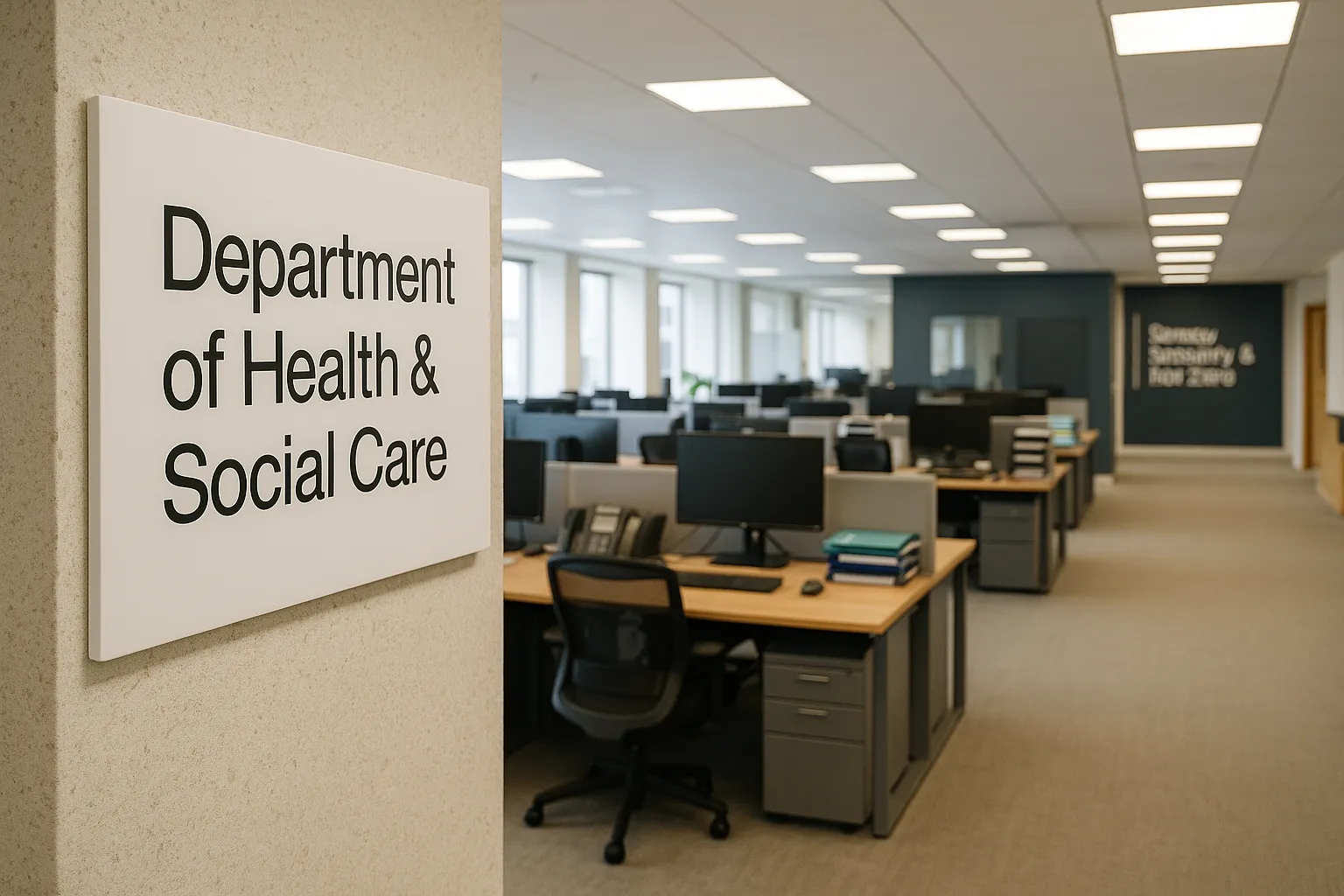
Notably, the Department of Health and Social Care, under the leadership of Wes Streeting, experienced the largest increase in morale, climbing by 5 percentage points. Meanwhile, the Department for Energy Security and Net Zero, led by Ed Miliband, enjoyed an even more substantial boost, with morale rising by 7 percentage points. The Cabinet Office also registered a slight elevation, improving by 2 percentage points after a significant increase of 4 points in the previous year, following a prolonged period of declining scores.
Despite the overall rise in morale, four departments reported a deterioration in employee satisfaction. The Foreign Office, HM Revenue and Customs, the Ministry of Defence, and the Department for Transport all recorded declines, with the latter suffering the most severe drop of three percentage points. Within the Department for Transport, responses to specific statements illustrated profound dissatisfaction; notably, there was a staggering 13-point decrease in agreement with statements about beneficial changes and opportunities to voice opinions before decisions are made. Furthermore, employees expressed significantly reduced confidence regarding the openness to challenge existing practices and the efficacy of change management.
Experts had largely expected the revival in civil service morale following years marked by instability and a frequent turnover of ministers during the tenures of Boris Johnson, Liz Truss, and Rishi Sunak. The autumn survey conducted in 2024 gathered data prior to controversial remarks made by Labour leader Keir Starmer in December, wherein he suggested that certain civil servants had become too complacent within a “tepid bath of managed decline.” Such comments may have influenced subsequent relations between the government and civil service.
Last year, the IfG attributed three consecutive years of falling morale leading up to 2023 to growing dissatisfaction with leadership and the management of change across government departments. This decline coincided with the establishment of new entities covering science, energy, and business sectors, which likely contributed to the discontent.
The overall improvement in Civil Service morale in 2024 marks a critical juncture, highlighting a pivotal moment for civil servants seeking stability and positive engagement within government frameworks. Observers will be keen to see how these trends develop, particularly whether the recent uptick can be sustained in the coming years as the current administration seeks to navigate complex challenges both within the civil service and the broader political landscape.
In analysing the latest report, it becomes evident that the sentiment among civil servants is intricately linked to the leadership style and approaches adopted by government officials. As departmental leaders like Streeting and Miliband foster positive environments, it reflects a broader attempt by the Labour government to reshape public service perceptions and dynamics. The forthcoming report is not only a reflection of current civil service sentiment but also an opportunity for the Labour Party to reinforce its commitment to civil service welfare amidst the transformative policies they seek to implement.
The restoration of morale in key departments like health and energy showcases the potential benefits of stable leadership and clear communication channels. As the Labour government continues to pursue its agenda, it remains to be seen how they will respond to internal challenges, particularly in departments facing significant backlash. Sustaining engagement and morale will certainly play a critical role in their capacity to effectively govern and implement change.
In the wake of the IfG’s findings, Labour must address lingering issues in those departments where morale has waned. The focus should shift toward fostering better communication and a more inclusive culture to ensure all staff feel valued and recognised. Central to achieving this will be listening to feedback and actively involving civil servants in decision-making processes, thereby reinvigorating the spirit of public service that is foundational to effective governance.
As Labour proceeds with its ambitious reforms, the onus will be on Cabinet ministers to cultivate a resilient civil service. The reflections from the IfG’s engagement index serve as both a warning and a guide: ongoing improvement in workplace morale is essential not only for civil servants but also for the effective functioning of government as a whole.
Our Thoughts
The article highlights a notable decline in morale within certain UK government departments, particularly the Department for Transport, which raises concerns about workplace safety and employee well-being under Health and Safety at Work Act 1974 requirements.
To avoid further morale decline, departments should have implemented effective change management practices, ensuring that employees feel heard and involved in decision-making processes—requirements under the Management of Health and Safety at Work Regulations 1999. Regular engagement sessions could have provided platforms for civil servants to express concerns and suggestions, fostering a culture of safety and inclusion.
Additionally, training for leaders on managing organizational change effectively could have addressed perceptions of instability and lack of support. Compliance with the Health and Safety (Consultation with Employees) Regulations 1996 is vital, ensuring that employees are consulted about changes affecting their work environment.
In conclusion, enhancing communication, involving staff in decision-making, and investing in leadership training can improve morale and prevent similar issues in the future. These actions correspond with existing UK regulations aimed at ensuring a safe and supportive workplace.