














Story Highlight
– Jolly Rancher sweets recalled due to unsafe substance.
– Contaminant: Mineral Oil Aromatic Hydrocarbons (MOAH) found.
– The Hershey Company is removing products from UK market.
– Consumers advised to stop consuming and dispose of products.
– MOAH linked to DNA damage and increased cancer risk.
Full Story
A significant recall of various sweets has been announced following the detection of a concerning substance that renders them unsafe for consumption. The Food Standards Agency (FSA) disclosed that certain Jolly Rancher products, manufactured by The Hershey Company, were found to contain Mineral Oil Aromatic Hydrocarbons (MOAH). These compounds are complex hydrocarbons derived from petroleum and may contaminate food through packaging materials, lubricants, or other processing aids.
On Friday, the FSA issued a statement urging food businesses responsible for the importation of these sweets to cease all import and distribution activities immediately. The agency advised retailers within the UK to halt sales of the affected products, withdraw them from store shelves, and initiate product recalls, particularly where items have already been sold. The Hershey Company has acted decisively to pull these items from the UK market to ensure consumer safety.
The FSA noted that despite these proactive measures by The Hershey Company, which include a commitment to not supply products to the UK market in the future, there are still other entities that continue to import and distribute these sweets. Consequently, the FSA is calling upon local authorities and enforcement bodies in the UK to take necessary actions to eliminate these products from the market.
According to the agency, while there is no immediate risk for consumers who have already consumed these products, the potential health risks associated with MOAH should not be overlooked. MOAH is classified as a genotoxic carcinogen, meaning it has the potential to cause genetic damage which could lead to cancer, especially if intake is high over extended periods.
The full list of affected products includes:
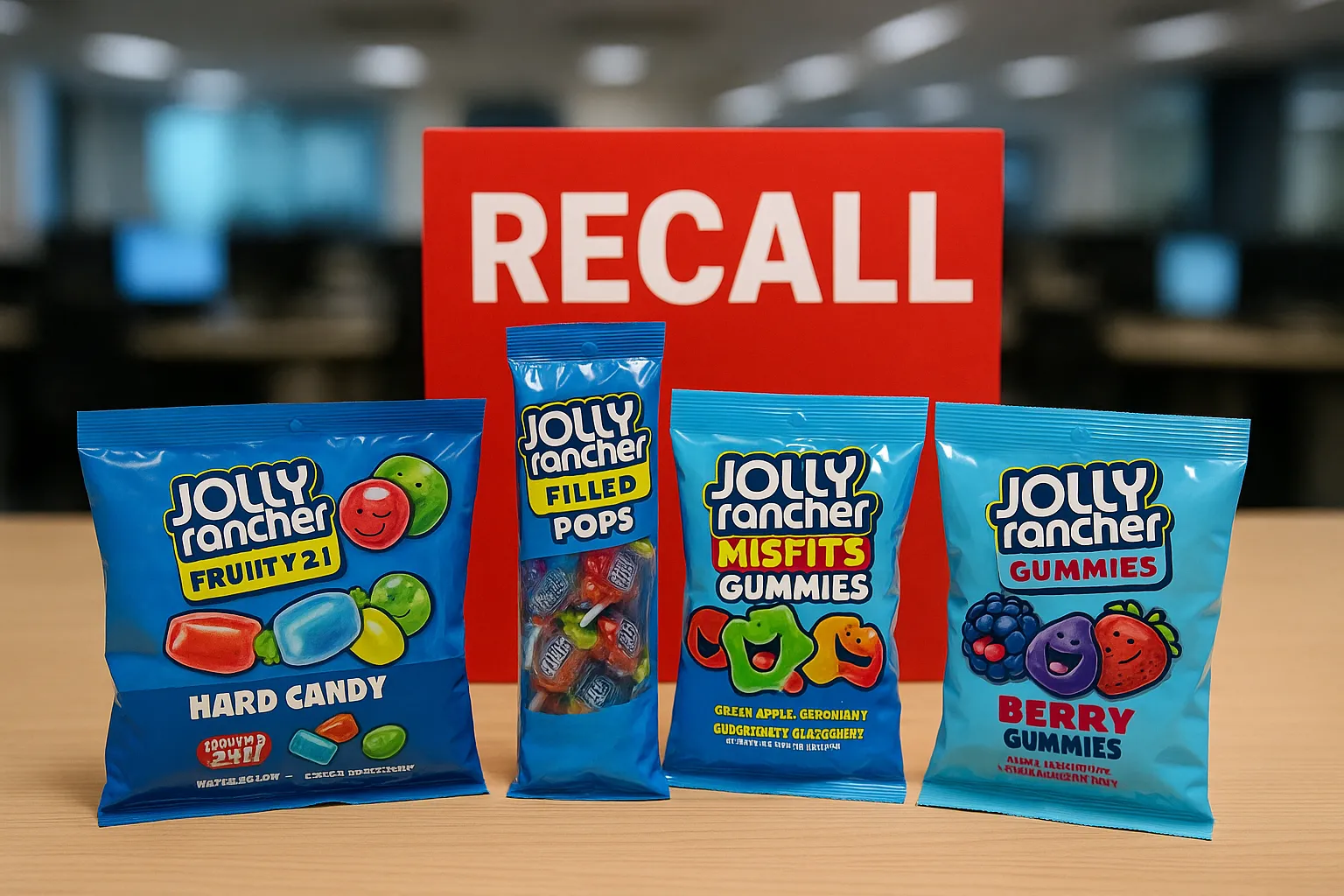
– Jolly Rancher Hard Candy (all flavours, all pack sizes, all batch codes)
– Jolly Rancher ‘Misfits’ Gummies (all flavours, all pack sizes, all batch codes)
– Jolly Rancher Hard Candy Fruity 2 in 1 (all flavours, all pack sizes, all batch codes)
– Jolly Rancher Berry Gummies (Berry flavour, all pack sizes, all batch codes)
– Jolly Rancher Filled Pops (all flavours, all pack sizes, all batch codes)
– Jolly Rancher Freeze Dried Candy (all flavours, all pack sizes, all batch codes)
The FSA cautioned that while the levels of MOAH to which consumers might be exposed appear to be low, they still pose a health concern due to the presence of these harmful compounds. The agency particularly emphasised that the consumption of such sweets could be more dangerous for younger consumers or those who indulge in these treats frequently.
Furthermore, the FSA issued a clear directive for individuals who have purchased any of the listed items: consumers are advised not to consume them. Instead, they should dispose of the products responsibly at home. If there are any concerns regarding the affected sweets, individuals should contact their local Trading Standards or Environmental Health departments for guidance.
In addition, the FSA outlined the processes involved in product recalls and withdrawals. If a food product is determined to be unsafe for sale, it may either be withdrawn from the shelves or recalled, which involves asking consumers to return the product. The FSA regularly issues Product Recall Information Notices to keep the public and local authorities informed about food safety issues. In certain circumstances, a ‘Food Alert for Action’ may also be distributed, outlining specific actions that local authorities must take to protect consumers.
This situation serves as a reminder of the importance of food safety and the vigilance required to ensure that products in the market meet safety standards. The cooperation between companies, regulatory authorities, and consumers plays a crucial role in maintaining public health, especially when potential health risks are identified.
The call to action not only highlights the immediate need for compliance by retailers but also underscores the ongoing efforts required by enforcement authorities to monitor and manage food safety effectively across the supply chain. As the public remains vigilant about food recalls, it is imperative for businesses to respond promptly to safeguard consumer health while also updating their practices to prevent similar situations in the future.
Thus, the current recall of Jolly Rancher products is a critical issue, affecting numerous retailers and consumers alike, bringing food safety practices and risk management into the forefront of discussions surrounding public health and regulatory compliance in the food industry.
Our Thoughts
To prevent the incident involving Jolly Ranchers containing Mineral Oil Aromatic Hydrocarbons (MOAH), several measures could have been implemented. Firstly, stricter supplier vetting and robust testing protocols for food packaging materials would reduce contamination risk, aligning with the Food Safety Act 1990 and the General Food Law Regulation (EC) 178/2002. These regulations require businesses to ensure food safety and traceability throughout the supply chain.
Additionally, enhanced monitoring and regular audits by food businesses would help in the early identification of non-compliant products. The UK’s Hazard Analysis and Critical Control Points (HACCP) principles should be strictly adhered to, ensuring that potential hazards are identified and controlled at every stage of food production and distribution.
Furthermore, proactive communication between manufacturers and the Food Standards Agency (FSA) is crucial. The Hershey Company’s commitment to removing these products was positive, but tighter controls on imports by other businesses were necessary to protect consumers.
These key safety lessons reinforce the importance of compliance with food safety standards to eliminate health risks associated with food contamination and to prevent similar incidents in the future.