















Story Highlight
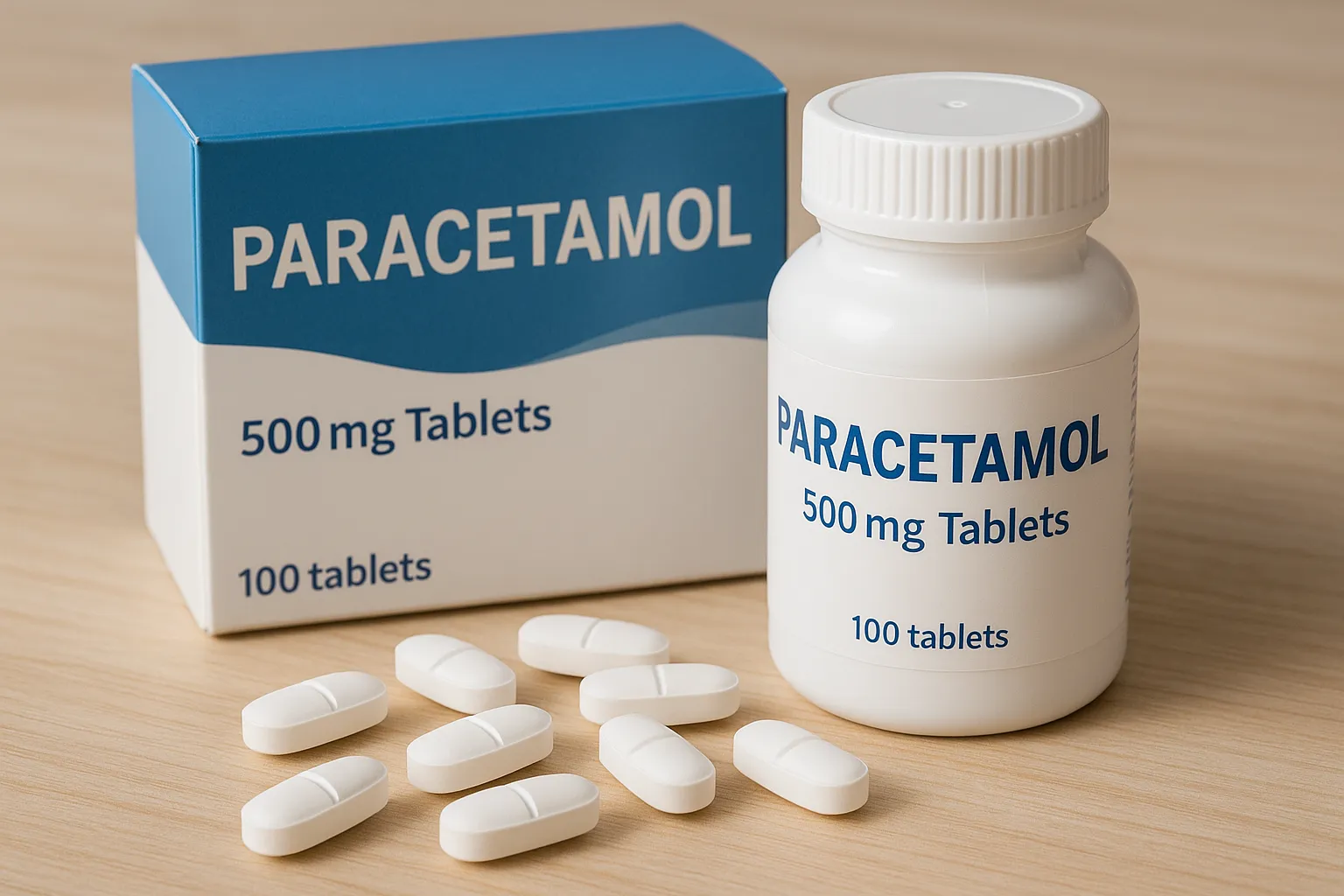
– Pregnant individuals can safely use paracetamol as directed.
– No link found between paracetamol and autism, ADHD.
– Review counters claims made by Donald Trump.
– Study involved 43 studies, confirmed robust findings.
– Experts support paracetamol for pain or fever in pregnancy.
Full Story
A comprehensive new review has confirmed that pregnant women can safely use paracetamol without facing an increased risk of autism, attention-deficit hyperactivity disorder (ADHD), or intellectual disabilities in their children. This substantial study aims to address previous unfounded claims regarding the safety of the widely used pain reliever.
Published in The Lancet Obstetrics, Gynaecology and Women’s Health, the findings stand in stark contrast to assertions made by former U.S. President Donald Trump in September of last year. Trump had suggested a potential link between the analgesic, known as Tylenol in the United States, and a so-called “meteoric rise” in autism cases. He notably advised expectant mothers to forgo the painkiller and to “tough it out,” remarks that provoked significant criticism from autism advocates and the scientific community.
The recent review stems from the efforts of an international coalition of researchers, including experts from the UK, who meticulously searched various research databases. Their aim was to gather all relevant studies detailing the risks of autism, ADHD, and intellectual disabilities associated with paracetamol use during pregnancy.
The review synthesized findings from 43 studies for systematic analysis and included data from 17 studies for a meta-analysis. This latter method allows for a systematic combination of diverse study outcomes. Notably, the researchers included sibling comparison studies that analyse different pregnancies from the same mother where paracetamol usage varied, thereby controlling for inherited factors.
The authors of the review reached a clear conclusion: paracetamol exposure during pregnancy was not linked to an increased risk of autism spectrum disorder, ADHD, or intellectual disabilities among offspring. They stated, “Current evidence does not indicate a clinically important increase in the likelihood of autism spectrum disorder, ADHD, or intellectual disability in children of pregnant individuals who use paracetamol as directed, supporting existing recommendations on its safety.”
Professor Asma Khalil, the lead author of the study and a consultant obstetrician at St George’s Hospital in London, underscored the importance of these findings. “We found no clinically important increase in the risk of autism, ADHD or intellectual disability among children where the mothers took paracetamol during pregnancy,” she explained. “This is the important message to the millions of pregnant individuals – paracetamol is safe to use in pregnancy. It remains the first-line treatment that we would recommend for pain or fever during pregnancy, consistent with the guidelines from various national and international bodies.”
The findings have been welcomed by health professionals, including Professor Grainne McAlonan from King’s College London. She acknowledged the significance of the research, emphasizing that expectant mothers should not be burdened with worries about the potential effects of a commonly used medication. “This thorough and clear study approached the question by conducting both a substantial systematic review of the literature and a meta-analysis of eligible studies. Importantly, it prioritised sibling design studies to account for family history, which is crucial. This confirmed that there is no relationship between taking paracetamol in pregnancy and a higher likelihood of autism, ADHD or intellectual disabilities in the offspring,” she stated. McAlonan voiced hope that these findings would help to settle the anxieties stirred by previous announcements.
Health Secretary Wes Streeting also offered reassurance following the publication of the study, stating, “This major review can, yet again, reassure mothers-to-be everywhere that there is no evidence whatsoever to link the use of paracetamol by pregnant women to autism, ADHD or disabilities in their children.” He reiterated the consensus among the nation’s leading scientists, doctors, and the NHS that paracetamol is a safe option for those who are pregnant and in need of relief from pain or fever.
This review comes at a crucial time when misconceptions surrounding medication during pregnancy can lead to unnecessary distress for expectant mothers. Concerns about the impact of commonly used medications often gain traction on social media, amplifying fears despite a lack of scientific backing.
Experts believe that as more robust research emerges, it will aid in clarifying the safety profiles of medications used during pregnancy. The current study’s approach, particularly its inclusion of sibling comparisons, is a strong methodological choice that enhances the reliability of its conclusions.
In summary, the recent findings indicate a reassuring position for pregnant women regarding paracetamol use, amidst worrying narratives concerning childhood development risks. With this evidence now at hand, physicians may be better equipped to guide expectant mothers in managing pain and discomfort while dismissing unfounded fears. As the medical community continues to support women through pregnancy, the focus remains on the health and well-being of both mothers and their children.
Our Thoughts
The article does not present a scenario involving health and safety breaches or incidents requiring preventative measures, as it primarily discusses the safety of paracetamol use during pregnancy and refutes previous claims regarding its risks. However, it highlights the importance of relying on scientific evidence to guide health recommendations and avoid misinformation. To safeguard public health and prevent similar misinformation from influencing behavior, a few key lessons can be drawn:
1. **Rigorous Scientific Review**: Ensure that any health claims, especially regarding medications, are supported by thorough scientific research and systematic reviews, as demonstrated by the study referenced in the article.
2. **Regulatory Compliance**: Health communications and campaigns should align with guidelines from the UK Medicines and Healthcare products Regulatory Agency (MHRA) and Public Health England to ensure reliable messaging on medication use.
3. **Public Awareness**: There should be proactive education and communication strategies to counter misinformation rapidly and effectively, especially from influential figures, to maintain public trust in health guidance.
In this case, while there were no regulatory breaches reported, maintaining adherence to evidence-based practices would be essential to prevent confusion and anxiety in expectant mothers.