















Story Highlight
– Tracel Ltd fined £27,200 for worker endangerment.
– Poor control of metalworking fluids identified as risk.
– HSE found risks of lung diseases and dermatitis.
– Company breached safety regulations after improvement notices.
– Follow-up inspection led to prosecution in January 2024.
Full Story
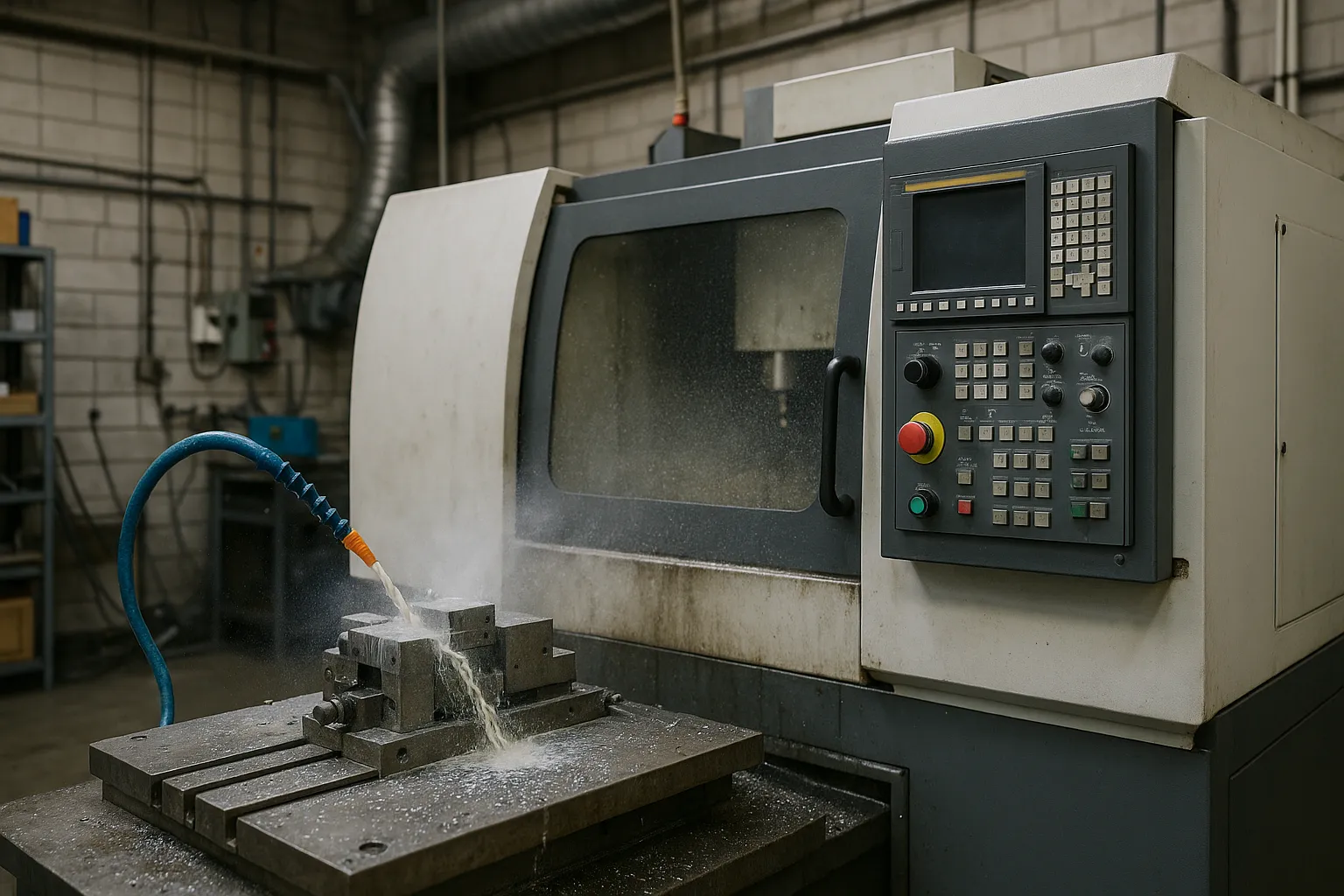
A company manufacturing surgical and satellite equipment has been fined £27,200 for failing to ensure the safety of its employees. Health and Safety Executive (HSE) inspectors discovered that personnel at Tracel Ltd were exposed to harmful respiratory risks due to inadequate management of metalworking fluids used in their machinery at their facility located in Great Gransden, Cambridgeshire.
Operating under the trademark The Engineering Quest, Tracel Ltd also has a site in Milton Keynes. The financial penalty was imposed following legal proceedings at Luton Magistrates’ Court, where the firm was also ordered to cover an additional £30,000 in costs.
The HSE’s inquiry into Tracel Ltd began in July 2022, when officials raised alarms regarding the company’s practices surrounding metalworking fluids. Despite being served with formal improvement notices mandating corrective actions, a subsequent inspection revealed that Tracel had not sufficiently mitigated the risks associated with inhalation of fluid mist. This led to the initiation of prosecution proceedings in January 2024.
According to the HSE, the improper handling of these substances put workers at risk of several serious health issues, including respiratory ailments, asthma, and dermatitis. The company candidly acknowledged its violations, admitting to breaching Regulation 6 of the Control of Substances Hazardous to Health Regulations and two counts under Section 21 of the Health and Safety at Work etc. Act 1974.
Stephen Manley, a HSE inspector, emphasised the importance of maintaining high safety standards across the UK workforce. “We are committed to maintaining Great Britain’s record as one of the safest countries to work in, and our inspection activity is central to delivering this,” he stated. Manley underscored that the violations identified in Tracel Ltd’s practices were entirely preventable, had the company acted decisively after the initial inspection. He hopes this case serves as a cautionary tale, prompting other businesses to thoroughly assess their safety protocols.
The significance of this enforcement action extends beyond financial penalties; it highlights the critical necessity for companies to adopt rigorous health and safety measures, particularly when dealing with hazardous substances.
Local expert in occupational health and safety, Dr David Pembroke, expressed his concern regarding workplace exposures. “It is alarming to see companies neglect safety protocols, especially when the repercussions can be severe for employees’ health,” he said. He urged employers to prioritise the well-being of their workforce by ensuring proper training and safety equipment are in place.
The concerns raised by the HSE mirror wider discussions in the industry about the need for improved safety standards and practices. Recent statistics indicate a disturbing trend in workplace injuries and illnesses across various sectors, with respiratory diseases being a significant contributor.
In light of this case, stakeholders from various industries are called upon to engage in discussions about the shared responsibility in maintaining a safe working environment. With workplace safety laws growing stricter, companies need to be vigilant about compliance, not only to avoid legal consequences but to foster a culture of care and responsibility.
Finn Smith, a health and safety consultant, noted, “Many firms underestimate the importance of adhering to safety regulations. This case is a reminder that neglecting such obligations can lead to serious repercussions, not just legally, but also in terms of employee morale and productivity.”
As Tracel Ltd moves forward, it must address the deficiencies identified in the HSE’s findings. Ensuring the rehabilitation of safety protocols will be vital not only for compliance but for the physical well-being of its workforce.
In the wake of this incident, it remains essential for companies within the technology and manufacturing sectors to review their engagement with health and safety practices. The collaboration between employees, management, and regulatory bodies is paramount in establishing a zero-tolerance approach towards risks associated with hazardous materials.
The repercussions of disregarding health and safety measures are considerable, affecting not only the workforce but also the broader community. With increasing awareness about occupational hazards, there is a growing expectation for businesses to act responsibly.
This incident serves as a sentinel example for other enterprises aiming to navigate the fine line between operational efficiency and employee safety. It underscores the pressing need for vigilance and adherence to established safety standards to minimize the risk of workplace injuries and illnesses.
As organisations aim to recuperate from the impacts of the pandemic, prioritising health and safety may also contribute positively to economic productivity. The benefits of a safe workplace often extend beyond compliance, fostering a more engaged and motivated workforce that can ultimately drive business success.
While Tracel Ltd prepares for the future, the overarching lesson remains clear: proactive engagement with health and safety regulations is not merely a legal obligation—it is an ethical imperative that safeguards the well-being of all employees.
Our Thoughts
Tracel Ltd’s violation of UK health and safety legislation highlights several key areas for improvement. To prevent the risk of lung diseases associated with metalworking fluids, the company failed to act on improvement notices issued by the HSE, indicating a lack of adequate risk management protocols under Regulation 6 of the Control of Substances Hazardous to Health Regulations (COSHH).
Key safety lessons include the importance of effective hazard control measures, such as proper ventilation, appropriate personal protective equipment (PPE), and routine training for employees on the hazards of working with such substances. Regular audits and prompt responses to HSE recommendations can significantly mitigate health risks.
Additionally, the company’s breach of Section 21 of the Health and Safety at Work etc., Act 1974 emphasizes the duty of care employers owe to their staff. Regular safety inspections and immediate remedial actions should be a priority to uphold worker safety standards. Implementing a comprehensive health and safety management system could prevent similar incidents in the future by ensuring continuous compliance with safety regulations.