














Story Highlight
– UK warns homes built pre-2000 likely contain asbestos.
– Asbestos often discovered during maintenance or renovations.
– Homeowners face anxiety upon unexpected asbestos findings.
– Key signs of asbestos include age and textured surfaces.
– Awareness and professional help are crucial for safety.
Full Story
Homes constructed prior to the turn of the millennium are increasingly being identified as containing asbestos, according to the UK Health and Safety Executive (HSE). As the presence of this hazardous material comes to light, experts are urging homeowners to remain vigilant, especially during routine maintenance, renovations, or property transactions.
Asbestos, a material known for its insulating properties, has been the cause of concern for many homeowners who may not consider the risks associated with older properties. Mat Stewart, an asbestos specialist at Sundemolition, highlights the ongoing issues related to asbestos exposure, noting that many individuals do not discover the presence of this dangerous substance until renovations are in progress or, unfortunately, after exposure has already taken place.
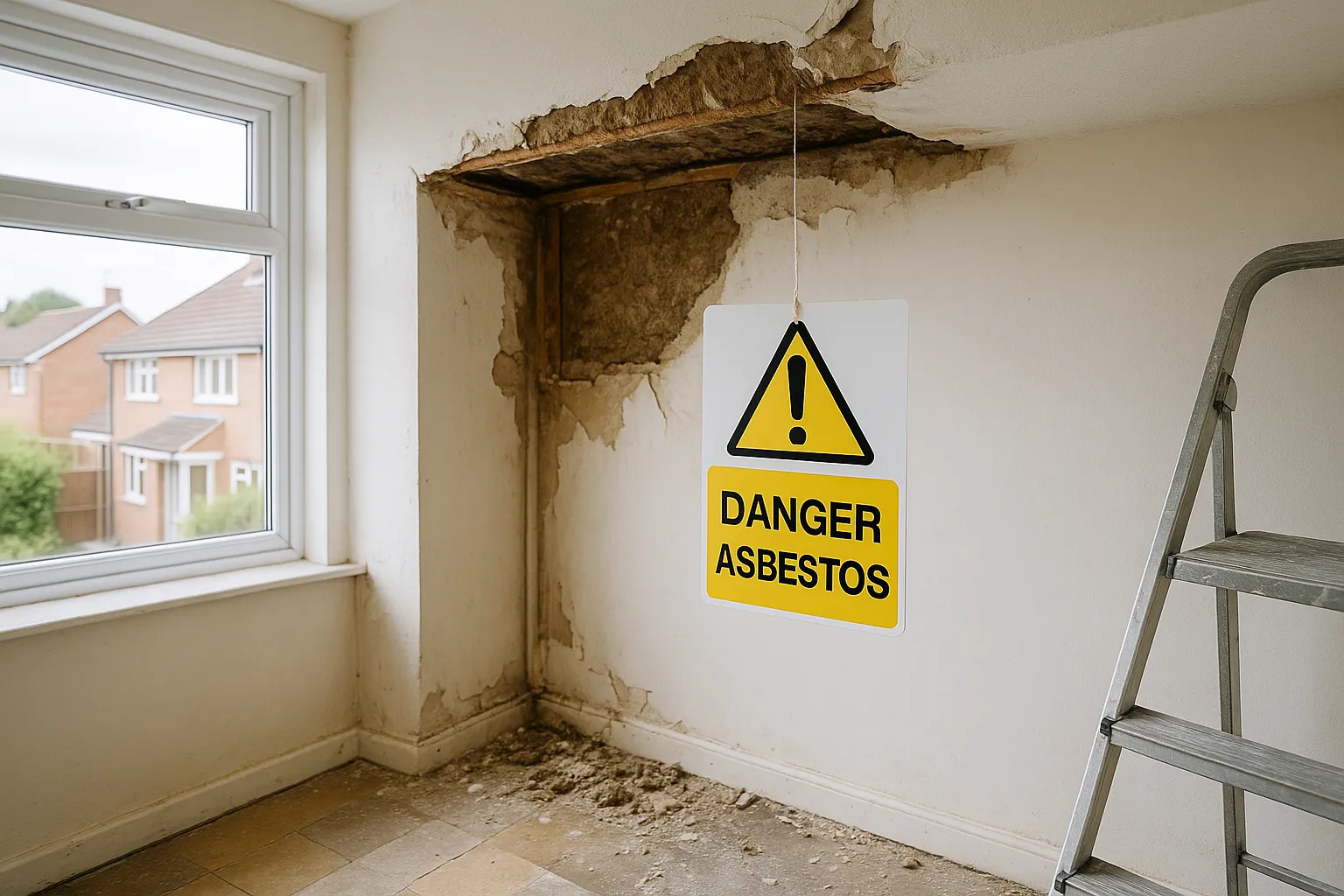
Stewart articulates the anxiety this situation generates among homeowners, particularly when building work is underway. “Asbestos causes real anxiety because it’s often found unexpectedly,” he remarks. “People worry not just about immediate exposure, but about the long-term health impact on their families, and many don’t know what to do next.” The fear of what lies behind walls or under flooring becomes a significant source of stress for those engaging in home improvement projects.
The potential for unearthing asbestos during renovations calls for heightened awareness and precaution. The HSE’s advisories not only highlight the importance of recognising when properties may contain asbestos, but they also serve to educate homeowners on the signs that indicate its presence.
### Indicators of Asbestos Presence in Properties
#### 1. Age of the Property
One of the primary signs that a property may contain asbestos is its age. While some assume that only very old buildings are at risk, Stewart notes that asbestos was widely incorporated into construction techniques until as recently as the late 1990s. “If your home or workplace was built before 2000, there’s a strong chance asbestos-containing materials may still be present,” he warns.
#### 2. Textured Coatings
Textured surfaces, particularly on ceilings and walls, might be deceptively benign. However, Stewart cautions against underestimating the risk these materials pose. “Textured coatings are one of the most overlooked sources of asbestos. Disturbing them during renovations can release dangerous fibres into the air,” he points out.
#### 3. Roofing Materials
Asbestos cement was frequently utilised in the construction of roofing materials for garages and outbuildings. Stewart explains, “Cracks, weathering, or breakage significantly increase the risk of fibre release.” Homeowners discovering deteriorating roofing should proceed with caution and seek professional advice.
#### 4. Insulation and Pipe Lagging
Older insulation materials, particularly around pipes and boilers, pose one of the highest risks. According to Stewart, “If insulation appears crumbly, frayed, or deteriorating, it should never be handled without professional assessment.” The potential for harmful fibres to become airborne during handling underscores the necessity for expert intervention.
#### 5. Vinyl Flooring
Another common source of asbestos is found in vinyl floor tiles and the adhesives used beneath them. Stewart notes that these materials can become particularly hazardous when disturbed: “These materials become especially hazardous when lifted, sanded, or broken during refurbishments.”
### Managing Asbestos Risks
The growing awareness surrounding asbestos is a significant development, reflecting a shift in how the public perceives risk associated with this material. Stewart emphasises that while asbestos can understandably be a source of concern, it is a manageable risk if approached correctly. “The rise in asbestos awareness is a positive shift,” he comments. “It’s important to stress that it is a manageable risk when handled correctly.”
Advising homeowners on how to effectively deal with asbestos, he suggests that professional surveys and clear guidance are essential. “With professional surveys, clear guidance, and licensed removal where required, asbestos can be dealt with safely and effectively,” he insists. The increase in public interest also indicates a growing sense of responsibility among homeowners eager to protect not only their health but also the wellbeing of their families.
As the landscape of property renovation continues to evolve, understanding the risks associated with asbestos will be crucial for homeowners. The commitment to ensuring safety during home improvements represents a proactive approach to this lingering issue. With the proper knowledge and resources at hand, asbestos can transition from a hidden danger to a manageable concern, enabling homeowners to proceed with renovations confidently and securely.
In summary, the legacy of asbestos in older buildings continues to pose significant challenges, but an informed and careful approach can mitigate risks. Awareness and proper handling protocols are essential for creating a safer environment for individuals and families living in older homes.
Our Thoughts
To mitigate risks associated with asbestos exposure in homes built before 2000, several key measures could have been implemented. Firstly, prior to any renovation or maintenance work, a thorough asbestos survey should be conducted in compliance with the Control of Asbestos Regulations 2012. This would help identify and manage potential asbestos-containing materials and ensure that workers and residents are not inadvertently exposed.
Furthermore, ensuring that homeowners and property professionals are educated about the presence of asbestos in older buildings could prevent unexpected encounters during refurbishments. As per the Health and Safety at Work Act 1974, employers must provide appropriate training and information to employees, which extends to contractors involved in home renovations.
The primary breach of regulations is the failure to carry out an asbestos survey, thus exposing individuals to health risks without proper assessment or management. To prevent similar incidents, it is essential to implement a mandatory pre-renovation asbestos assessment and ensure licensed professionals handle any identified asbestos safely, following the guidance laid out in the HSE’s guidance on managing asbestos in non-domestic premises. Adopting a proactive approach to asbestos management can significantly reduce health risks associated with exposure.