
















Story Highlight
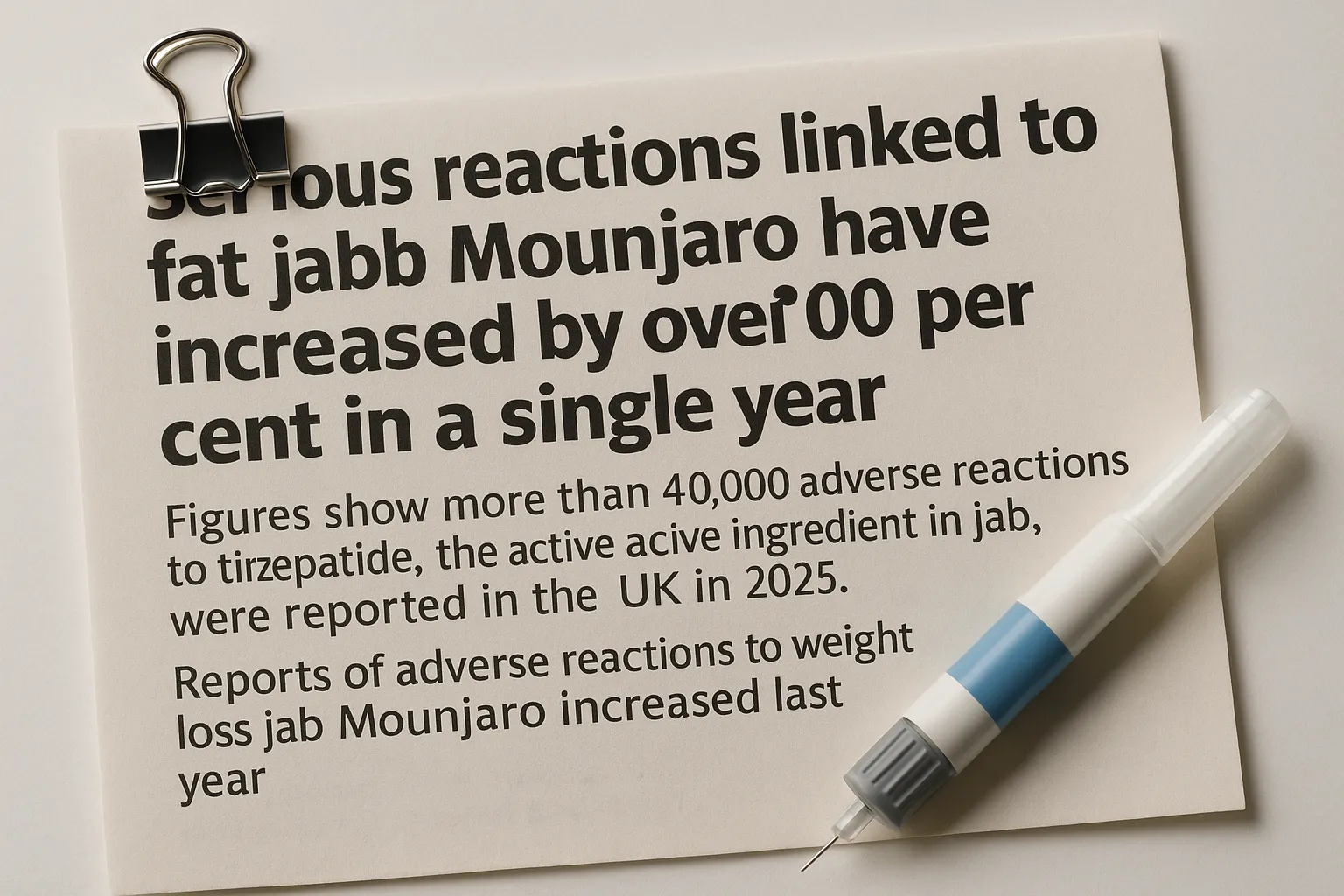
– Adverse reactions to Mounjaro rose over 300% in 2025.
– Over 40,000 complaints reported in the UK for tirzepatide.
– Severe acute pancreatitis linked to GLP-1 injections acknowledged.
– Most reports came from women aged 30 to 39.
– Common side effects include gastrointestinal disorders and nausea.
Full Story
Reports of serious reactions associated with the weight loss medication Mounjaro have surged by over 300% within just a year. In 2025, more than 40,000 adverse responses to tirzepatide, the active ingredient in Mounjaro, were documented in the United Kingdom.
Despite the alarming rise in reports, health authorities maintain that there is currently no confirmed evidence linking any fatalities directly to these popular injections, which have transformed the weight management landscape since their introduction. However, officials from the Medicines and Healthcare products Regulatory Agency (MHRA) have expressed concerns regarding the increased incidences of side effects, indicating a potential link to the medication.
The data was compiled through the MHRA’s Yellow Card Scheme, which enables patients, caregivers, and healthcare professionals to report any complications they suspect are due to medications, along with any side effects they observe. The scheme serves as a crucial tool for monitoring the safety of pharmaceuticals in the UK.
Recent revelations have highlighted a significant rise in the number of patients requiring urgent medical treatment due to suspected side effects from weight loss injections like Mounjaro. Following these concerns, the MHRA has officially acknowledged that such treatments, classified as GLP-1 injections, may pose a risk of severe acute pancreatitis.
Mounjaro operates by mimicking the body’s natural hormones that signal fullness, thereby suppressing appetite. It is also indicated for the management of type 2 diabetes, showing beneficial effects on blood sugar levels in users.
According to 2025 data from the MHRA, of the reported 40,025 adverse reactions, there were 71 fatalities and 6,755 classified as serious. This represents a staggering increase of nearly 340% compared to the 9,153 adverse reactions reported in 2024, of which 13 resulted in fatalities.
Notably, while these adverse events have been documented, a direct causal relationship between tirzepatide and the reported incidents has not been established, and the individuals affected remain anonymous. The publication “The Sun” has reported that approximately 6% of readers are currently using fat-loss injections, indicating their increasing popularity.
Women were predominant among those reporting adverse reactions, with 32,075 complaints logged. While specific age demographics for the reactions were not fully disclosed, it appeared that the 30 to 39 age group accounted for the highest number of reports, totalling 1,397 entries.
The most frequently reported side effect in 2025 was gastrointestinal disorders, which accounted for a significant portion of the feedback, with 19 fatal cases among the 37,546 reports in this category. Other notable reactions included general disorders related to administration (682 reports) and nervous system disorders (670 reports). Similarly, semaglutide, another weight-loss injection, garnered 7,146 adverse reaction reports in the same year, including 19 fatalities—marking a slight drop from the previous year’s figures.
The MHRA cautions that the reported data should not be interpreted as a definitive list of potential side effects or used to gauge the frequency of adverse reactions, nor should it be leaned upon to compare the safety profiles of various medications.
Reflecting on her experience, Karen Coe, a 60-year-old who tried Mounjaro, described sensations akin to being “ripped open by a knife” after her injection. Initially, she experienced dizziness and a headache, which escalated to severe stomach pains so intense that she required emergency assistance.
After her first dose on March 14, 2025, Karen faced debilitating symptoms, prompting her husband to call for an ambulance. Medical staff confirmed her observations were stable but encouraged her to monitor her ongoing symptoms. Following the initial adverse reaction, Karen encountered further complications necessitating hospital visits, and physicians speculated a link to the Mounjaro treatment; however, causation of later issues remained unverified.
The NHS outlines common side effects associated with GLP-1 injections such as nausea, vomiting, gastrointestinal disturbances, and, in rarer cases, more severe issues like pancreatitis, kidney problems, and other serious complications that can affect overall health.
Karen shared her decision not to pursue further injections of Mounjaro, warning others to think carefully before proceeding with such treatments. Emphasising the potential for serious health implications, she urged caution for those considering similar weight-loss strategies.
In light of these developments, Eli Lilly, the pharmaceutical company behind Mounjaro, reaffirmed its commitment to patient safety, stating, “Patient safety is Lilly’s top priority.” The company highlighted its rigorous monitoring and evaluation processes concerning safety information related to all its medications. They emphasized the importance of reporting adverse events through the MHRA’s Yellow Card Scheme and encouraged open dialogue between patients and their healthcare providers.
As these concerns continue to unfold, health professionals urge individuals contemplating weight loss treatments to conduct thorough research and consult medical experts to weigh the benefits and potential risks associated with such therapies.
Our Thoughts
To prevent the significant increase in adverse reactions linked to the weight loss jab Mounjaro (tirzepatide), several measures could have been implemented. Firstly, stricter risk assessment protocols should have been enforced before the medication was approved for widespread use, ensuring thorough evaluations of potential side effects.
Healthcare professionals must also be mandated to provide comprehensive information to patients regarding the risks associated with the medication, adhering to the requirements of the Medicines and Healthcare products Regulatory Agency (MHRA). This includes discussing the possibility of severe adverse effects like gastrointestinal disorders and pancreatitis, in line with the Health and Safety at Work Act 1974.
Moreover, the increase in adverse reactions suggests that monitoring and reporting systems, such as the Yellow Card Scheme, need reinforcing to encourage better reporting and identification of serious side effects early on.
Similar incidents could be mitigated by enhancing post-marketing surveillance and ensuring that patient safety guidelines are followed rigorously, ultimately working towards a systematic approach to medication safety that adheres to relevant regulations, including the European Union (Withdrawal) Act 2018 and associated safety standards.