













Story Highlight
– Anas Sarwar calls for UK social media ban for under-16s.
– Stresses need amid escalating mental health crisis.
– Urges action against cyberbullying and harmful content.
– Scottish Labour proposes phone ban in schools.
– Government plans consultation on children’s online safety.
Full Story
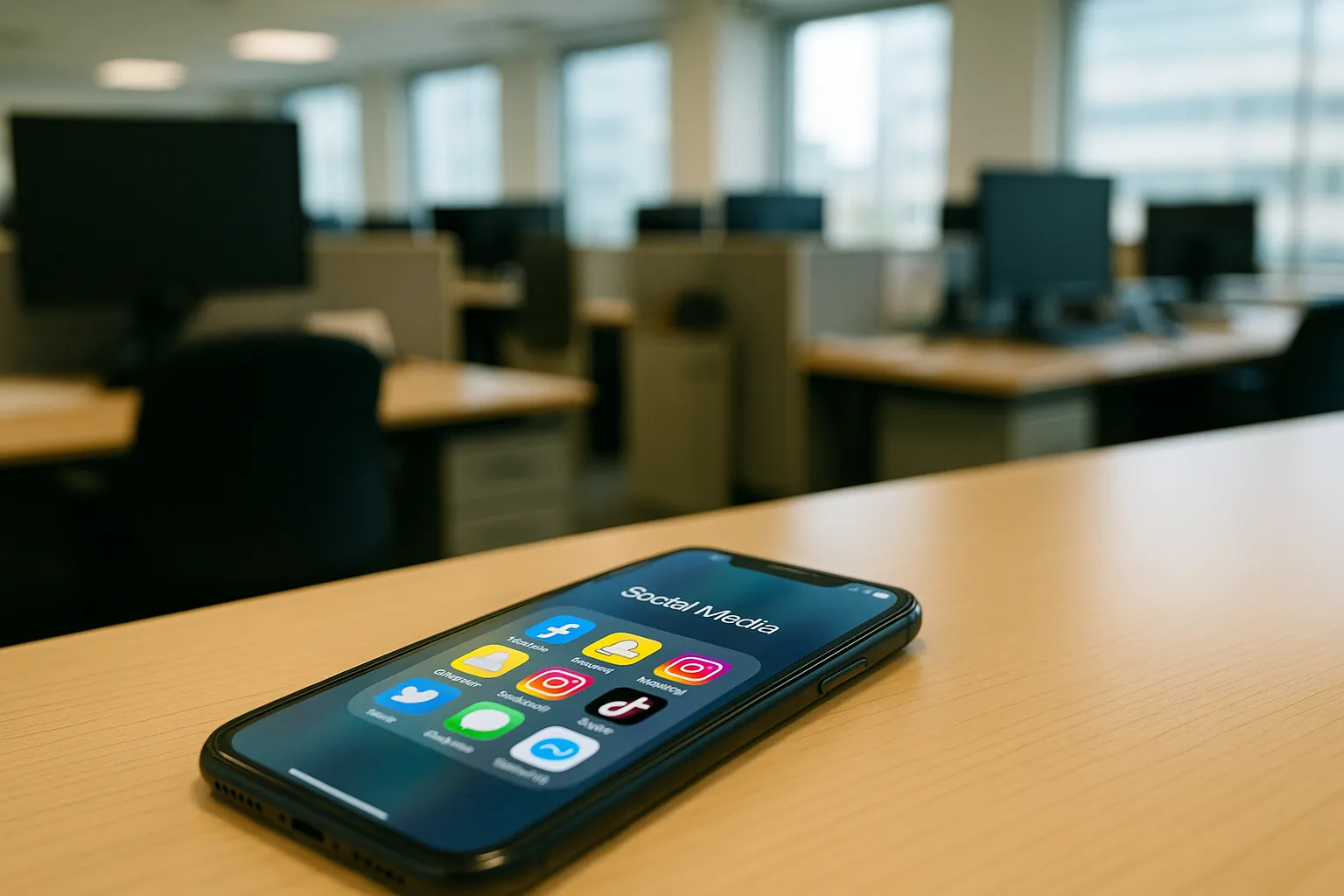
The leader of Scottish Labour, Anas Sarwar, is advocating for a nationwide prohibition on social media for individuals under the age of 16. This call to action comes in light of what Sarwar describes as a “mental health emergency” affecting the youth. He has urged the UK government to implement restrictions similar to those already adopted in countries like Australia and France to limit children’s exposure to online platforms.
Addressing his Labour colleagues, Sarwar emphasised the necessity of safeguarding childhood experiences. “We already know the risks young people face online,” he stated, citing issues such as cyberbullying, addiction, and access to extreme content. Speaking from a parental perspective, Sarwar expressed concern that the current state of affairs is detrimental to children’s learning and psychological well-being.
“With social media disrupting educational engagement and contributing to rising mental health issues, we cannot remain passive while our young people are unprotected,” he declared. The urgency of his appeal is underscored by observations that thousands of young individuals in Scotland are being referred to mental health services each month—a trend that Sarwar links directly to social media use.
While advocating for immediate policy change, Sarwar also highlighted previous attempts by Scottish Labour to impose a ban on mobile phones in schools. He argues that such a ban could transform classrooms into safer, more conducive environments for learning. “We need to go further,” he stated, insisting that an outright prohibition on social media for those under 16 is essential. “By protecting young people from harmful online content and liberating them from their devices, we can allow them to experience their childhoods fully.”
Sarwar is critical of the current Scottish National Party (SNP) administration, claiming that it has neglected its duty to protect young individuals. He passionately asserted that if elected as First Minister, his government would not only ban phones in schools but would also advocate vigorously for a comprehensive ban on social media. “I am committed to doing right by the next generation, but the truth is they are being failed by a tired and out-of-touch SNP Government,” he said.
The response from government representatives has been measured. A spokesperson for the Department for Science, Innovation and Technology pointed to the Online Safety Act, which they claim introduces crucial regulations to ensure that children have safe and age-appropriate experiences online. The spokesperson noted, “We have taken some of the boldest steps anywhere in the world to ensure children have age-appropriate experiences online, mandating that social media companies protect children from harmful content.”
Furthermore, the UK government plans to initiate a consultation aimed at collecting perspectives from experts, parents, and children to inform their approach to managing youth engagement with mobile technology and social media. “This isn’t a question of whether we will act, but how we will,” the spokesperson asserted, highlighting the government’s commitment to addressing the challenges faced by young people in the digital space.
Despite the backing of some peers in the House of Lords—who supported a ban on social media as part of an amendment to the UK Government’s schools Bill earlier this year—the UK government’s position remains tentative. They have indicated intentions to contest the amendment while undertaking their own consultations regarding potential regulations.
The topic continues to gain traction as both public sentiment and political discourse evolve around the impact of social media on youth. With increasing reports of adverse effects on mental health correlating with social media usage, including anxiety and depression, the demand for stringent regulations is expected to intensify.
Experts in child psychology and digital wellbeing have voiced their concerns regarding the effects of unrestricted online access for minors. The ongoing conversations about children’s safety in digital environments are crucial, particularly as research increasingly points to a direct relationship between excessive social media use and poor mental health outcomes.
As stakeholders in the debate mount arguments for and against the proposed restrictions, the discourse emphasizes the necessity of protecting vulnerable populations, particularly children who may not yet possess the cognitive tools to navigate the complexities of online interactions safely.
The Scottish Government has yet to issue a detailed response to Sarwar’s proposals, leaving many to speculate on the future of social media regulation and child safety measures. In the meantime, as discussions unfold, the focus remains on advocating for strategies that can effectively balance the benefits of technological engagement with the protection of young individuals from potential harm.
As the debate progresses, it is likely that further developments will emerge, driven by the collective concerns over youth mental health and the pervasive influence of social media platforms. The government’s next steps will undoubtedly be closely monitored by parents, educators, and health professionals alike, all of whom are invested in ensuring a healthier digital landscape for future generations.
Our Thoughts
The article highlights concerns regarding mental health issues linked to social media use among children. To prevent such problems, stricter adherence to regulations like the Online Safety Act should be ensured, mandating social media companies to implement effective age verification and content moderation to protect young users. Failure to comply with these provisions indicates a breach of the Health and Safety at Work Act 1974, which obliges employers to ensure the safety and well-being of employees, including young people they engage with.
Key safety lessons include the necessity for proactive measures in digital environments to safeguard mental health, similar to how physical health is protected in workplaces. Implementing clear regulations for social media usage in schools could create safer learning environments, promoting emotional well-being.
To prevent similar incidents, a multi-stakeholder approach involving parents, educators, and technology companies is crucial. Regular assessments of the psychological impact of social media and timely interventions when risks are identified could mitigate the effects on young people’s mental health.