








Story Highlight
– One death linked to non-sterile wipe outbreak confirmed.
– UKHSA warns against using certain alcohol-free wipes.
– Burkholderia stabilis bacteria poses serious infection risk.
– Four contaminated wipes identified, removed from sale.
– Public advised to follow NHS guidelines for injuries.
Full Story
Health authorities are urging caution regarding the use of non-sterile wipes following a severe outbreak of infection linked to these products, which has resulted in one confirmed death. The UK Health Security Agency (UKHSA) has issued an alert regarding the potential dangers posed by certain alcohol-free cleansing wipes, specifically due to the presence of the bacteria Burkholderia stabilis (B. stabilis).
This particular strain of bacteria is naturally found in various environments, including soil and water, and while it generally does not pose a risk to healthy individuals, it can lead to severe infections in those with compromised immune systems or other vulnerabilities. The warning highlights a significant health risk associated with these cleaning products, particularly in home first aid kits where they may still reside despite being withdrawn from shops.
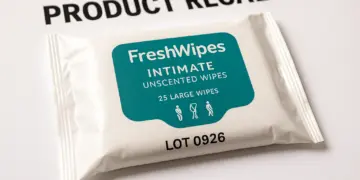
The situation first came to the attention of health officials in August 2025, during a comprehensive investigation into the contamination of several wipe products. Following rigorous testing, four specific brands were identified as dangerous and should not be used. These brands include ValueAid Alcohol Free Cleansing Wipes, Microsafe Moist Wipe Alcohol Free, and Steroplast Sterowipe Alcohol Free Cleansing Wipes. Another product, Reliwipe Alcohol Free Cleansing Wipes, was found to be contaminated with a separate strain of the bacteria, amplifying the concern over the hygiene standards of these commonly used items.
Recent data from the UKHSA indicates that since January 2018, there have been 59 confirmed cases of B. stabilis infections. Among these cases, there have been serious health complications requiring hospital treatment, culminating in one tragic death. Although the public risk remains classified as low, health officials report that instances of infection are still being identified, predominantly among those with weakened immune systems.
Dr James Elston, a consultant in epidemiology and public health at UKHSA, emphasized the importance of public awareness regarding the risks associated with these wipes. He stated, “We are reminding the public not to use, and to dispose of, certain non-sterile alcohol-free wipes which have been linked to an outbreak of Burkholderia stabilis.”
In light of the ongoing risk, the UKHSA has intensified its efforts to communicate precautionary measures. The agency has actively engaged health professionals through updated alerts and reinforces the message that individuals should adhere to strict sanitation practices when treating injuries or caring for intravenous lines.
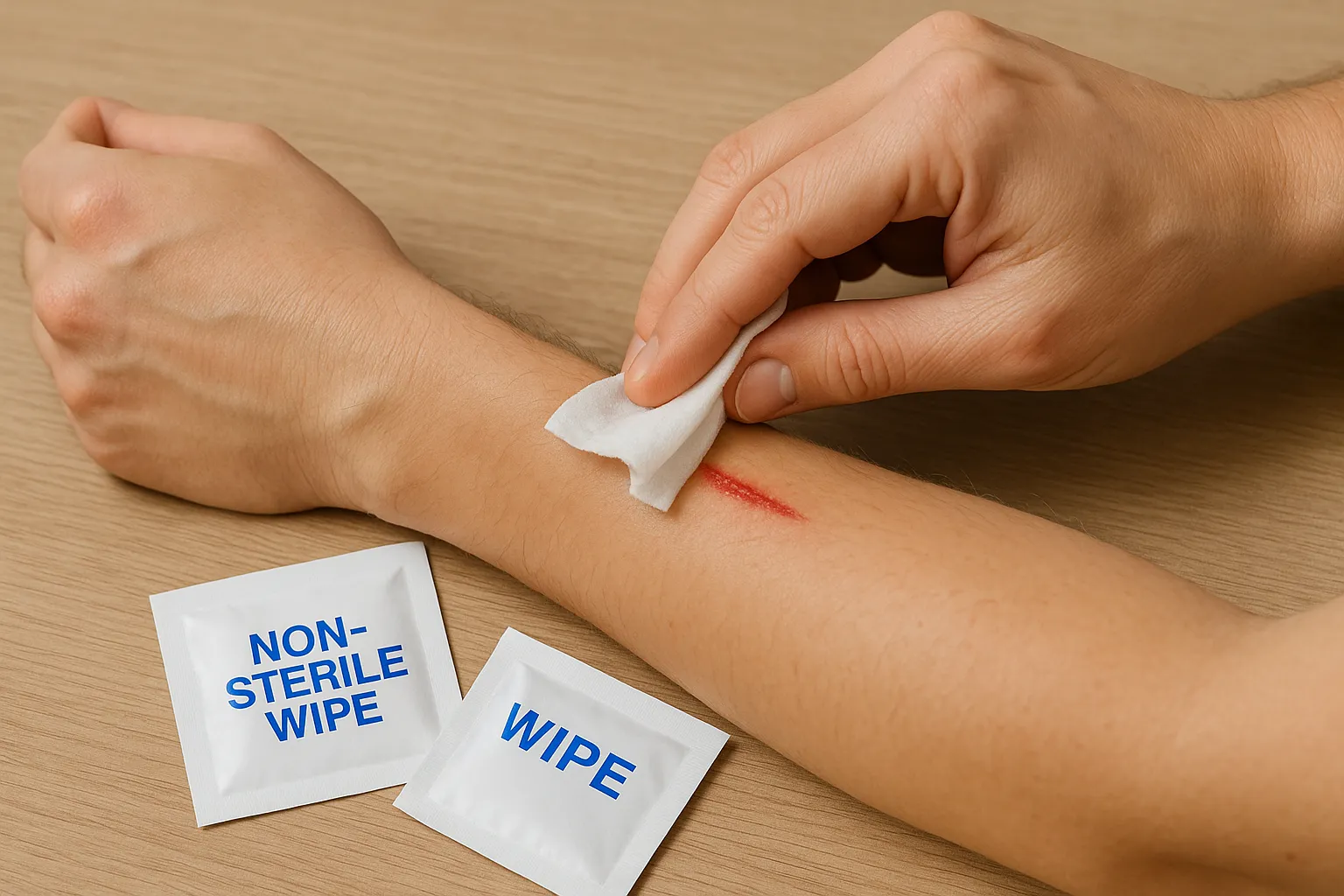
Dr Elston further advised, “Non-sterile alcohol-free wipes, of any type or brand, should not be used for the treatment of injuries, wounds, or broken skin; and they should never be used to clean intravenous lines.” This guidance underscores the critical need for consumers to utilise appropriate, sterilised products in medical situations, to mitigate risks associated with the bacteria present in contaminated wipes.
The agency’s investigation has underscored the broader implications of product safety concerning medical supplies used at home. With many households relying on basic first aid kits that might include these wipes, there is a significant need for public education about the potential risks of using substandard products for medical purposes.
UKHSA’s response plan involves ongoing monitoring and testing of wipes and related products in the market to ensure consumer safety. Health experts call for transparent labelling and clear guidance from manufacturers regarding the safety and usability of their products, as well as transparency about potential risks associated with contaminants.
People are encouraged to dispose of any wipes from the identified brands responsibly and to seek immediate medical assistance if they suspect an infection, especially individuals with pre-existing health issues. The UKHSA continues to work closely with healthcare professionals to track new developments and reinforce infection control measures to safeguard public health.
In conclusion, while the overall risk of infection from Burkholderia stabilis remains classified as low, the health alerts serve as an important reminder of the hidden dangers posed by everyday products. Vigilance is key—particularly for those caring for vulnerable individuals. Following NHS guidelines and using properly sterilised medical supplies can prevent unnecessary health complications that could arise from initially harmless consumer products.
Our Thoughts
The incident highlights critical failures in adhering to health and safety regulations regarding infection control and the use of medical supplies. Firstly, there should have been stringent compliance with the Health and Safety at Work Act 1974, which mandates that relevant risks are assessed and mitigated, especially in healthcare settings. The continued presence of contaminated wipes in first aid kits indicates a lack of proper oversight and monitoring, which could be addressed by implementing regular audits of medical supplies.
Furthermore, adherence to the Medical Devices Regulations 2002 is crucial, as these regulate the safety and performance of medical products. Failure to ensure that only sterile or appropriate wipes are used raises concerns over product safety checks and user education.
Key lessons include the importance of public awareness campaigns regarding the risks of using non-sterile products for medical treatment and emphasizing proper disposal of recalled items. To prevent similar incidents, improved labeling of products and clear instructions for use should be enforced, alongside routine training for users on infection prevention and control measures in compliance with UK health guidelines.