









Story Highlight
– Tesco recalls rice for undeclared gluten health risk.
– Lidl recalls snacks due to possible foil contamination.
– Danone recalls Aptamil formula over potential cereulide toxin.
– TK Maxx drinks recalled for unlisted allergens concerns.
– Shoppers advised to return affected products for refunds.
Full Story
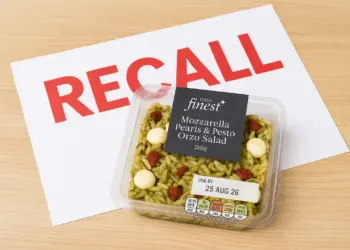
Several prominent UK supermarkets have issued urgent advisories this week, prompting customers to refrain from consuming specific products due to potential health risks. Active recalls are currently affecting a number of items that have been made available across the country, and consumers are encouraged to be vigilant regarding these developments and adhere to the guidance provided by the respective supermarkets.
**Tesco’s Recall**
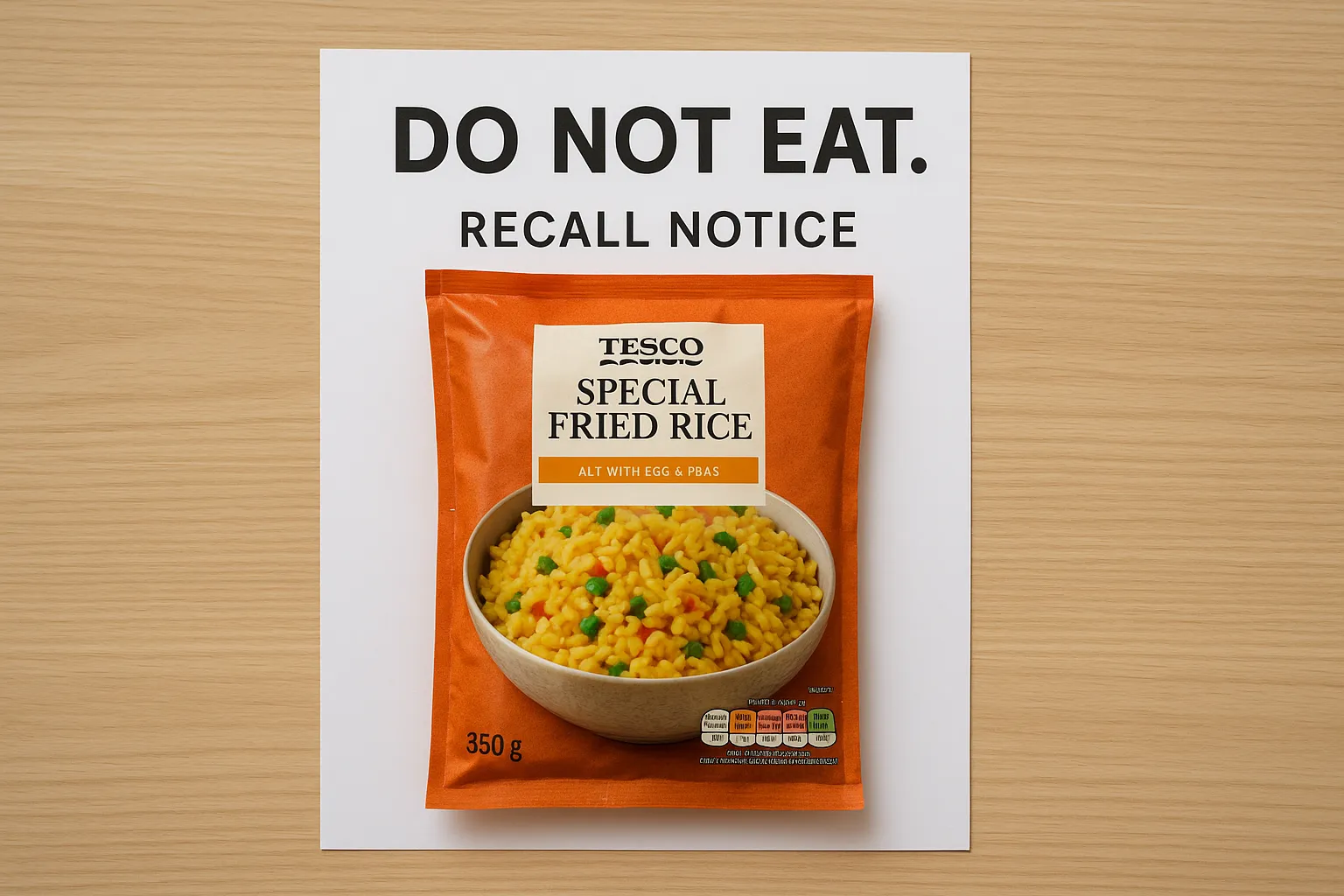
Tesco has recently announced the recall of a particular rice product due to concerns that the packaging does not accurately reflect its contents. The supermarket chain is urging customers to avoid consuming the 350g packets of Tesco Special Fried Rice, as they may contain undeclared wheat (gluten). This poses significant health risks for individuals with gluten intolerance, wheat allergies, or coeliac disease. The implicated packets bear a use-by date of February 2, 2026.
Customers who have purchased the affected rice are instructed to return it to any Tesco store to receive a full refund, regardless of whether they possess the original receipt. A Tesco spokesperson acknowledged the situation, expressing regret for any inconvenience caused while assuring patrons that no other products under the Tesco brand are implicated in this recall.
For further details about this recall, shoppers can consult the Food Standards Agency (FSA) website, which provides comprehensive information concerning food safety and product recalls.
**Lidl’s Snack Recall**
In a related issue, Lidl has faced its own recall scenario, affecting the Snaktastic Multigrain Bites Sour Cream & Black Pepper. This product is being recalled after it was discovered that certain bags might contain small pieces of foil, which could present a potential choking hazard. The snacks in question have a best-before date of April 4, 2026, and a batch code of 207 345.
Lidl has communicated its apologies to customers and is advising them to refrain from eating the snack if they have purchased it. The supermarket has initiated point-of-sale notices in all affected retail locations to inform shoppers of the nature of the recall and the steps necessary to return the product for a full refund. Customers can reach out to Lidl’s Customer Care team for more information at 0203 966 5566 or via email at customer.care@lidl.co.uk.
In statements regarding the recall, a Lidl representative indicated that this incident affects only the specific batch mentioned and no other Snaktastic products sold in Lidl stores.
**Aptamil Baby Formula Recall**
In a more serious health alert, Danone has issued a recall of its Aptamil First Infant Formula following the discovery that it may contain cereulide toxin, a harmful substance that can lead to gastrointestinal distress such as nausea and vomiting. The toxin is produced by certain strains of Bacillus cereus and is known for its heat stability, meaning it may not be eliminated during normal cooking processes.
The implicated batch of the infant formula has a best-before date of October 31, 2026, and was sold during the period from May to July 2025. Danone has advised customers to check the packaging, where batch numbers and expiry dates can be found on the lower back. The company reaffirmed that no other batches of Aptamil are affected by this notice.
Parents and guardians are urged to stop using the affected baby formula immediately, even if no adverse reactions have been observed in their children. Those who have purchased the recalled product can return it to the point of sale for a refund with or without the original receipt. The FSA has echoed the importance of this recall, offering further assistance through their advisories.
**TK Maxx and Homesense Recall**
Another concern has arisen from products sold at TK Maxx and Homesense, where beverages included in the Ten Acre Gifts/Coffee Syrup collection are being recalled due to the undisclosed presence of allergens. These products, which were available from October 2025 to January 2026, may contain nuts, peanuts, soya, and gluten, all of which could prove dangerous to individuals with relevant allergies.
Customers are advised not to ingest any of these items and to return them to the store for a refund. A spokesperson from the FSA has communicated that these notices will be properly displayed to inform consumers about the recall and the necessary steps to rectify the situation.
**Understanding Product Recalls**
A product recall occurs when issues arise with a food item that necessitate its removal from sale, either through a withdrawal from shelves or a request for customers to return the product. The FSA plays a significant role in ensuring public safety by issuing Product Withdrawal Information Notices and Product Recall Information Notices to both consumers and local authorities.
In specific circumstances, a ‘Food Alert for Action’ may also be released, detailing required actions for local authorities on behalf of consumers.
As these recalls illustrate, it is imperative for shoppers to stay informed and mindful of recent announcements concerning food products, prioritising their health and safety in the process.
Our Thoughts
The reported recalls highlight significant lapses in food safety management, particularly regarding accurate labeling and allergen information, breaching regulations outlined in the Food Safety Act 1990 and associated regulations.
Key safety lessons include the importance of stringent quality control processes to identify potential allergens before products reach the market. Implementing a comprehensive risk assessment framework could facilitate early detection of labeling inaccuracies and prevent health risks to consumers, especially those with food allergies.
Regular staff training on allergen management and compliance with food labeling regulations under the Food Information Regulations (FIR) 2014 is vital. This would ensure better awareness of the implications of mislabeling and the need for transparent communication with the public.
Additionally, the recalls underscore the utility of effective monitoring systems and consumer feedback channels to identify and respond to safety concerns swiftly, thereby reducing the likelihood of similar incidents occurring in the future. Enhanced traceability of products could further improve recall efficiency and consumer safety.