















Story Highlight
– Syngenta fined £400,000 for safety offences at Huddersfield.
– Dangerous steam release caused by poor valve maintenance.
– Mechanic narrowly escaped serious injury during repairs.
– HSE criticized inadequate risk assessment documentation.
– Company reviews safety protocols following the incident.
Full Story
A significant financial penalty has been imposed on Syngenta, a leading global producer of pesticides, following a serious breach of health and safety regulations at its facility in Huddersfield. The company has received a fine of £400,000 (approximately US$547,000) after admitting guilt to two counts related to health and safety offences stemming from a hazardous steam release incident that occurred earlier this year.
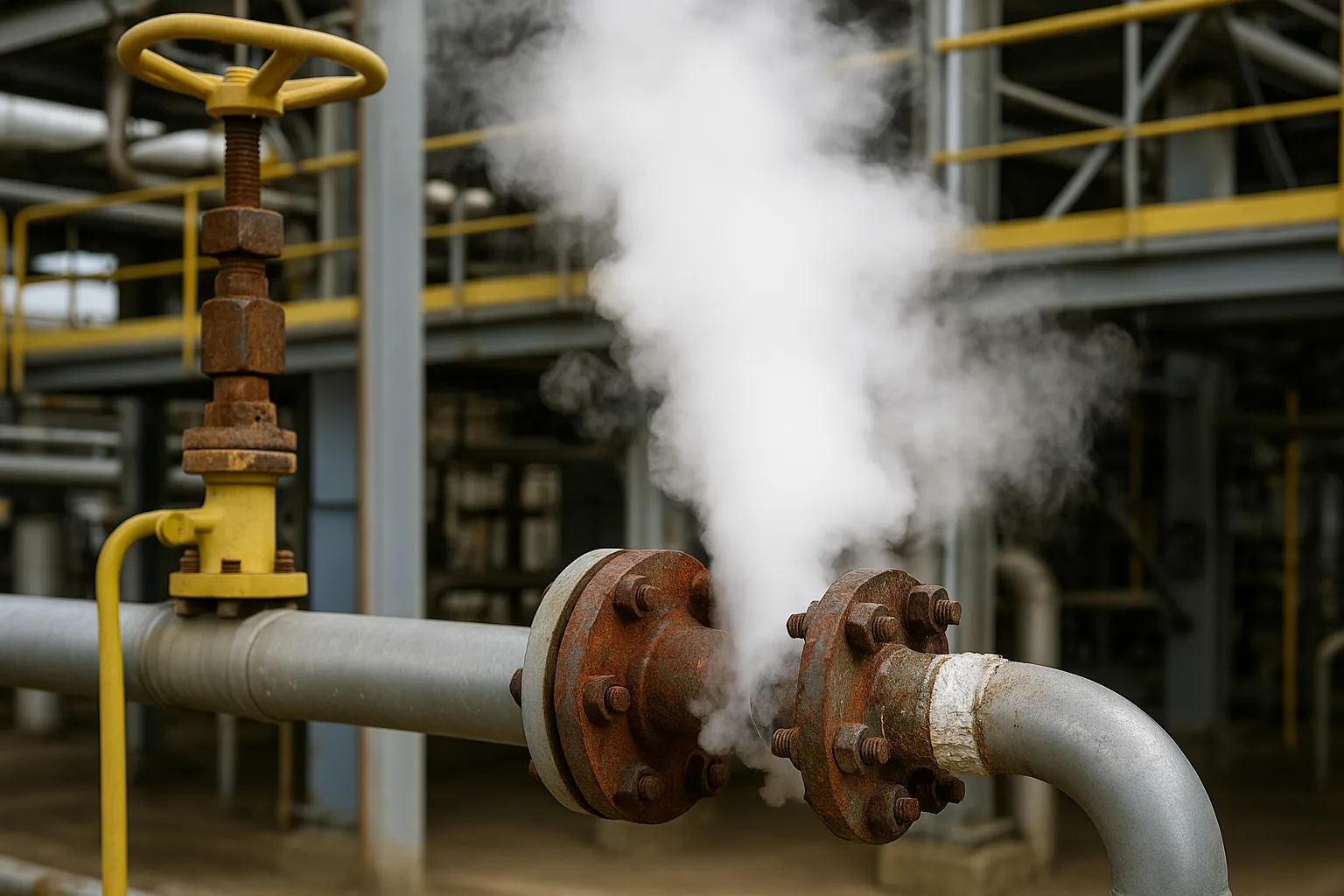
The Health and Safety Executive (HSE) conducted a thorough investigation which revealed that inadequate maintenance practices were at the heart of the incident. Specifically, Syngenta failed to ensure the proper functioning of an isolation valve along with several flange bolts. This oversight resulted in a release of high-pressure steam while a contractor was engaged in repairing a steam trap connected to small-bore pipework. Fortunately, the 59-year-old mechanic involved narrowly avoided sustaining serious injuries.
The prosecution led by the HSE took place at Leeds Magistrates’ Court following an improvement notice issued in February 2024. Evidence gathered by the HSE indicated that prolonged corrosion led to a situation where the mechanic was forced to cut the flange bolts with an electrical saw instead of using a more conventional spanner, thereby heightening the risk of an unregulated release of the pressurised steam.
David Welsh, an inspector from the HSE, commented on the incident, suggesting that “relatively simple control measures” could have significantly enhanced the safety of the maintenance work being performed at the time. In November 2024, Syngenta confirmed that it had complied with the improvement notice, indicating that corrective actions had been implemented following the event.
Furthermore, the investigation uncovered that Syngenta had not maintained adequate documentation for risk assessments. The regulatory body found the company had overlooked the heightened risk associated with relying on a singular method of isolation, particularly given the known issues with corrosion in the equipment being used. The assessment noted that such single methods of isolation were regularly employed at the Huddersfield plant, despite prior recommendations issued in 2006 advocating for the adoption of safer dual isolation strategies.
Welsh pointed out that the failures in both the maintenance and risk assessment processes contributed to making a high-pressure steam release an “accident waiting to happen.” He underscored the seriousness of the circumstances that unfolded, reflecting on how more robust safety measures could have arguably prevented the incident.
Following these developments, Syngenta has taken steps to review and improve its safety protocols regarding maintenance operations related to pressurised systems. A spokesperson for the company responded to the incident by stating, “The safety and wellbeing of every individual who works at our facilities – whether employee or contractor – is our absolute priority.” They expressed regret that the operational standards in place fell short of the safety expectations held by the company. “We deeply regret that our operational standards did not meet the high level of safety we demand of ourselves, resulting in injury to a valued member of our contracted workforce,” they added.
The incident has prompted wider discussions about safety protocols within the chemical manufacturing industry, particularly concerning contract workers who may face different risks compared to full-time employees. Experts suggest that such incidents highlight the critical importance of robust training and safety culture within all divisions of a company’s workforce. Ensuring that both permanent and contracted workers adhere to high safety standards can help mitigate risks associated with industrial operations.
Industry stakeholders have noted that the repercussions of this incident could serve as a wake-up call for similar firms, potentially leading to a reassessment of risk management practices across the sector. While regulatory compliance is fundamental, the emphasis on a preventive approach to safety must also be a priority for companies to foster a culture of safety that protects all members of the workforce.
As part of the ongoing evolution of safety practices, there may be calls for updated regulations and guidelines to ensure that outdated safety techniques are replaced with more effective and contemporary methods. The reliance on established but potentially unsafe practices poses significant risks that the industry must address decisively.
In a climate where industrial safety is under increasing scrutiny, the implications of Syngenta’s case could resonate beyond its immediate context. As the firm seeks to restore confidence in its operations, the broader industry may well focus on the lessons learned, hoping to avert any similar occurrences in the future.
Through the implementation of more stringent oversight and adherence to recommended safety measures, the expectation is that organisations operating in hazardous environments will become more proactive in safeguarding the health and safety of all workers involved in their operations. Maintaining a forward-looking approach towards risk management and safety standards remains essential for preventing incidents and ensuring a secure working environment for all personnel.
Our Thoughts
To prevent the dangerous steam release incident at Syngenta’s Huddersfield site, several key actions could have been taken. Firstly, proper maintenance of equipment, specifically the isolation valve and flange bolts, was neglected. Regular inspections and maintenance schedules aligned with the Management of Health and Safety at Work Regulations 1999 would have likely identified these issues beforehand.
The reliance on a single method of isolation violated HSE guidance from 2006 advocating for double isolation methods, highlighting a failure to comply with the Provision and Use of Work Equipment Regulations 1998, which stress ensuring equipment is safe and effectively maintained.
Furthermore, inadequate risk assessment documentation contravened Regulation 3 of the Management of Health and Safety at Work Regulations, which requires thorough risk assessments to be documented and reviewed to identify potential hazards.
In conclusion, implementing a robust maintenance procedure, adhering to established guidelines for isolation methods, and maintaining comprehensive risk assessments could have mitigated the risk and ultimately prevented this incident, underscoring the importance of proactive safety culture and compliance with health and safety legislation.