












Story Highlight
– UK Health Security Agency warns of harmful bacteria in pet food.
– 35% of surveyed raw products contained dangerous bacteria.
– Pet owners advised to maintain strict hygiene practices.
– Major risks linked to raw food include Salmonella, E. coli.
– FSA emphasizes safe handling akin to human food preparation.
Full Story
Pet owners in the UK are being cautioned by the UK Health Security Agency (UKHSA) about potential health risks associated with certain raw pet food products. This advisory comes in light of findings highlighting the presence of harmful bacteria that could impact both pets and their owners.
The UKHSA took to social media platform X to disseminate its key message, supported by the Food Standards Agency (FSA). The agency noted a recent survey which indicated that some raw pet food items can harbour bacteria capable of causing illness. Gauri Godbole, who serves as the Deputy Director at UKHSA specialising in gastrointestinal infections, food safety, and One Health, highlighted the risk, stating, “Raw pet food products can carry harmful bacteria such as Salmonella and Campylobacter, which can cause diarrhoea, stomach cramps and sometimes vomiting and fever.”
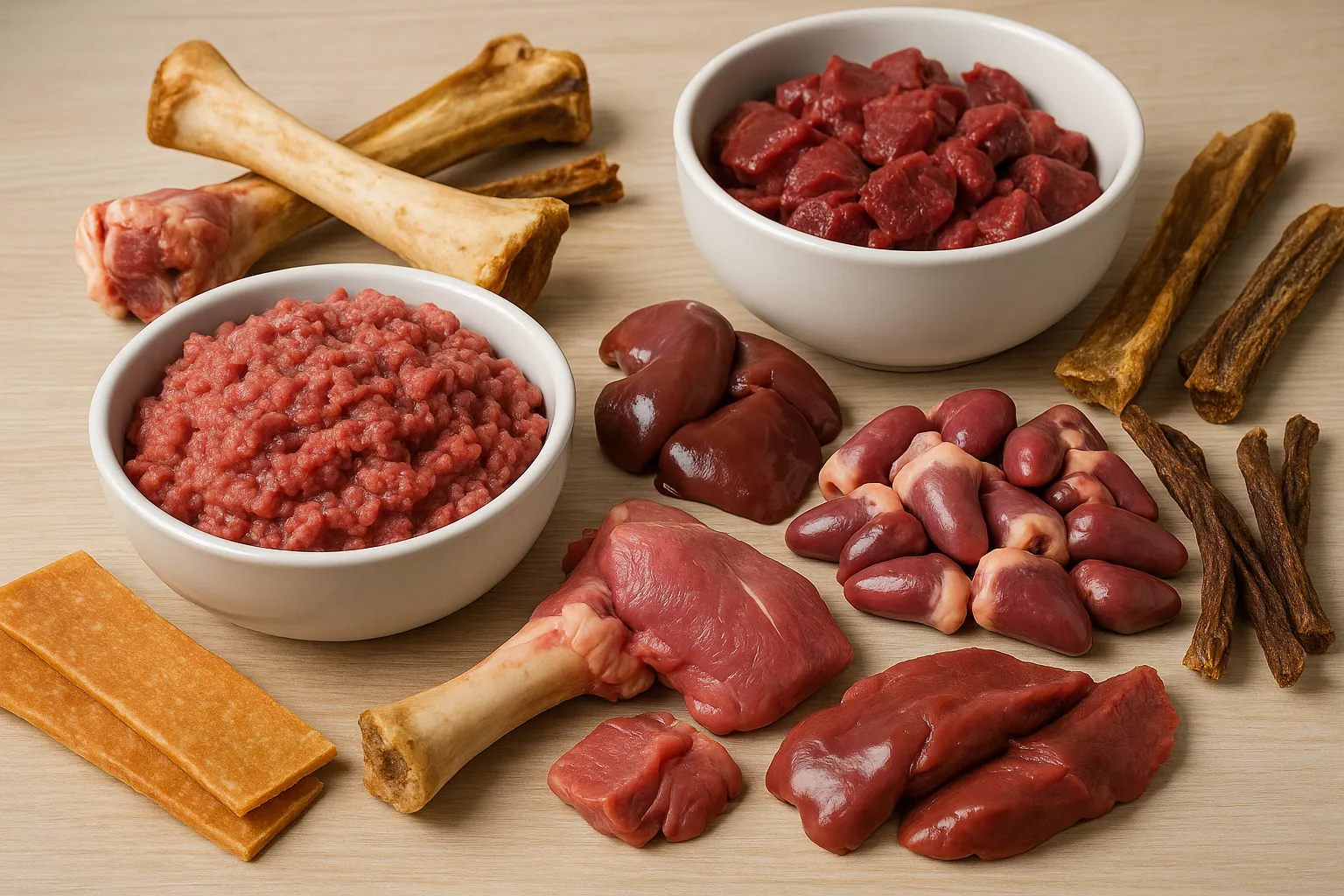
A major concern is that these raw foods, which typically include unprocessed or uncooked meat, offal, and raw bones, could be responsible for transmitting infections to humans. It is crucial for pet owners to follow stringent hygiene practices to mitigate these risks. Following interaction with raw pet food, individuals are advised to wash their hands thoroughly, disinfect any bowls, utensils, and surfaces used, and store such products distinctly from human food.
In its recent examination of 380 raw dog and cat food products purchased from retail and online markets between March 2023 and February 2024, the FSA unearthed alarming statistics. The analysis revealed that a staggering 35% of these products contained harmful bacteria, including notorious pathogens like Salmonella, Campylobacter, and E. coli. Furthermore, it was found that nearly 29% of the products tested did not meet existing UK safety regulations.
The underlying issue is that raw pet foods are typically more conducive to bacterial growth, as the cooking process that usually eliminates these pathogens is circumvented. Additionally, there are worries that interactions with raw pet food or with pets themselves may facilitate the transmission of antibiotic-resistant bacteria, a concern echoed by Stephen Wyllie, the Veterinary Head of One Health at the Animal and Plant Health Agency (APHA). “APHA is a world leader on Antimicrobial Resistance (AMR) in animals, carrying out vital research to reduce the spread of AMR,” he remarked, reinforcing the agency’s commitment to addressing this critical issue.
Wyllie went on to emphasise the importance of responsible handling of raw pet food, likening the practices necessary for safeguarding health to those taken when managing raw meat intended for human consumption. “Today’s report is a reminder that raw pet food can carry harmful bacteria that pose a risk to animal health,” he noted, encouraging pet owners to take precautions seriously to prevent foodborne infections and the spread of antimicrobial resistance among pets.
Furthermore, the FSA is collaborating with local authorities to ensure that feed businesses are reminded of their obligations regarding pet food safety. This partnership aims to bolster the guidance provided to pet owners on how to safely handle raw pet food products and protect their households from potential health hazards.
Rick Mumford, Interim Chief Scientific Advisor for the FSA, also contributed to the discussion, stating, “We know that many pet owners choose raw pet food. This survey shows that these products can pose risks to human and animal health.” He reiterated the necessity of practising good hygiene when dealing with these products to minimise any associated risks. The guidance reflects similar protocols observed when preparing human food, including washing hands with soap and water, thoroughly cleaning cooking surfaces, and ensuring that pet food is handled and stored separately from human provisions.
For pet owners concerned about the potential health implications linked to raw pet food, seeking advice from a veterinary professional is advisable. Vets can help in identifying safer feeding options that are suited to individual pets while ensuring the health and safety of both animal and human family members.
The FSA provides detailed resources for those interested in learning more about safe practices when handling raw pet food. This information can be found on their designated guidance page, which aims to educate pet owners and reinforce best practices within the community.
Awareness of the risks associated with raw pet food is crucial as more pet owners choose such diets for their pets. Like any aspect of pet care, education and diligent hygiene practices play a vital role in ensuring the well-being of both pets and their human companions.
Our Thoughts
The news article highlights significant health risks posed by raw pet food, particularly concerning contamination by harmful bacteria such as Salmonella and Campylobacter. Several measures could have been taken to mitigate these risks and ensure compliance with UK health and safety legislation, including the Food Safety Act 1990 and the Animal Feed (England) Regulations 2015.
Key safety lessons include the necessity for rigorous testing and monitoring of raw pet food products to ensure they meet safety standards, as 29% of products surveyed failed to do so. Manufacturers should implement Hazard Analysis and Critical Control Point (HACCP) systems to identify and manage food safety hazards effectively.
Furthermore, educating pet owners on safe handling practices is crucial. Explicit instructions should outline hygiene protocols akin to those for handling raw meat, emphasizing the importance of handwashing and cleaning surfaces to prevent cross-contamination.
To prevent similar incidents, there should be increased collaboration between the Food Standards Agency and local authorities to enforce compliance with regulations and promote safe feeding practices. Comprehensive public health campaigns could also help raise awareness about the potential risks associated with raw pet food consumption.