











Story Highlight
– UKHSA warns raw pet food can contain harmful bacteria.
– 35% of surveyed products showed bacterial contamination.
– Pet owners advised to practice strict hygiene measures.
– Raw food increases risk of containing bacteria like Salmonella.
– FSA collaborating with authorities to ensure pet food safety.
Full Story
Pet owners in the UK are being advised to take extra precautions when managing raw pet food due to findings of potentially harmful bacteria. The UK Health Security Agency (UKHSA) has released an alert highlighting the risks associated with certain pet food products that could lead to illness in both pets and their owners.
The UKHSA reached out to the public via a message on the social media platform X, in collaboration with the Food Standards Agency (FSA). The alert is especially salient for the UK’s considerable canine population, with approximately 13 million dog owners potentially affected. The FSA’s tweet reiterated the need for careful handling of raw pet food products, following an alarming survey indicating the presence of harmful bacteria in some items.
Gauri Godbole, Deputy Director at UKHSA, focuses on Gastrointestinal Infections, Food Safety, and One Health. She stated, “Raw pet food products can carry harmful bacteria such as Salmonella and Campylobacter, which can cause diarrhoea, stomach cramps and sometimes vomiting and fever.” In light of this, pet owners are being encouraged to adopt stringent hygiene measures. These include thoroughly washing hands after handling raw pet food, cleaning and disinfecting bowls and utensils, and ensuring that pet food is stored separately from human food. Furthermore, responsible disposal and handling of pet waste are advocated.
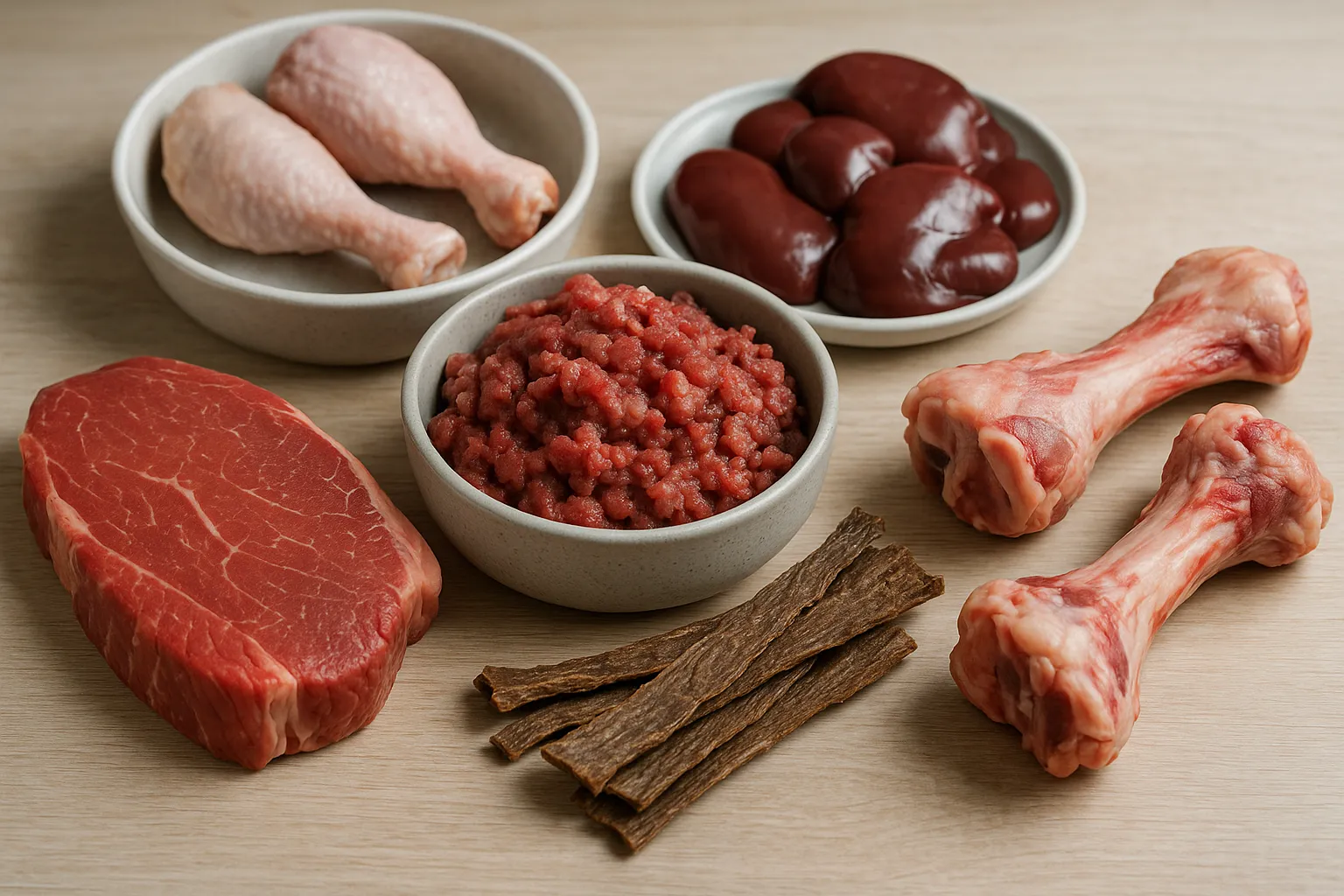
Typically, raw pet food includes a mixture of unprocessed or uncooked meats, offal, and raw bones. These products can be found in both wet and dry formats, such as chews. While the meat often originates from animal by-products that were initially designated for human consumption, they are later diverted to the pet food industry.
A recent survey conducted by the FSA assessed 380 raw dog and cat food products purchased from shops and online between March 2023 and February 2024. Upon analysis by the UKHSA, the results proved concerning: 35% of the surveyed products were found to contain harmful pathogens, including Salmonella, Campylobacter, and E. coli, all of which have the potential to cause illness in humans. Additionally, 29% of the products did not meet the safety standards stipulated by UK law.
One key issue highlighted by experts is that raw food is inherently more susceptible to harboring bacteria that cooking typically eradicates. This presents a risk not only to pets but also to their owners, as contact with contaminated pet food could lead to the transmission of antibiotic-resistant bacteria.
Stephen Wyllie, the Veterinary Head of One Health at the Animal and Plant Health Agency (APHA), noted the agency’s leading role in tackling Antimicrobial Resistance (AMR) in animals through critical research aimed at curbing its spread. He remarked, “Today’s report is a reminder that raw pet food can carry harmful bacteria that pose a risk to animal health. Pet owners should handle raw pet food in the same way as they would raw meat to avoid food-borne infections and increased risk of antimicrobial resistance spreading between pets.”
In response to these findings, the FSA is actively collaborating with local authorities to remind businesses about their obligations regarding pet food safety. They are also re-emphasizing guidance for pet owners on the proper handling of raw pet food. For those concerned about the potential risks associated with raw diets, consulting with a veterinarian can provide tailored advice on safe feeding practices.
Rick Mumford, Interim Chief Scientific Advisor at the FSA, expressed awareness of the rising trend among pet owners opting for raw feeding options. He stated, “This survey shows that these products can pose risks to human and animal health. Good hygiene practices and safe handling can help reduce the risks to you and your family. Follow the same hygiene principles you would when preparing food for the humans in your life; washing hands thoroughly with soap and water, cleaning all surfaces, and storing and defrosting pet food and treats away from human food.”
For those seeking further information, the FSA has established a dedicated guidance page regarding the safe handling of raw pet food. This comprehensive resource is aimed at promoting responsible feeding practices and ensuring the health and safety of both pets and their owners in the ever-evolving landscape of pet care. With a growing trend towards raw feeding, it’s essential for owners to remain vigilant and informed about the potential risks involved. Emphasising good hygiene can play a pivotal role in fostering a safe environment for both pets and their human companions.
Our Thoughts
To prevent the health risks associated with raw pet food highlighted in the article, several measures could have been implemented. Firstly, stricter regulatory oversight under the Animal Feed (England) Regulations 2015 and the General Food Law Regulation (EC) 178/2002 is necessary to ensure that pet food products consistently meet safety standards and are free from harmful bacteria. The identified 29% of products failing to meet legal safety standards indicates a breach of these regulations.
Additionally, manufacturers should be required to adhere to Hazard Analysis and Critical Control Points (HACCP) principles to mitigate contamination risks. Enhanced testing protocols before products reach consumers could identify contaminated batches proactively.
Key safety lessons involve emphasizing the importance of good hygiene practices, akin to those used when handling raw meat for human consumption. The FSA’s reminders about personal hygiene could be better reinforced at the point of sale, alongside clearer labeling on potential risks.
Ultimately, increasing public awareness and education on safe handling practices for raw pet food may prevent similar incidents. Collaboration between the FSA and local authorities to provide clear guidance and support for pet owners is essential for ensuring safety in the handling of these products.