
















Story Highlight
– Canned foods are nutritious and affordable kitchen staples.
– Canning enhances nutrient absorption, especially in tomatoes.
– Not all canned foods are ultra-processed; check ingredients.
– Canned beans are high in protein and fiber benefits.
– BPA concerns exist, but many manufacturers are BPA-free.
Full Story
Tinned foods have long been integral to many households, often regarded as a practical and cost-effective option for meal preparation. Though there remains a perception that canned items are inferior to their fresh counterparts, they can be a vital component of a nutritious diet. This misconception warrants examination, particularly regarding the nutritional benefits that some canned foods offer, as well as the common associations with ultra-processed foods (UPFs).
Firstly, it’s essential to distinguish that not all canned foods fall into the category of ultra-processed. The term often refers to products that undergo significant industrial processing and may contain additives that can contribute to health problems such as obesity and various chronic conditions. However, tinned staples like tomatoes, lentils, and beans are typically processed just enough to ensure safety and shelf stability, without falling into the UPF classification. Even canned meals, such as beef stew and ratatouille, when devoid of excessive additives, do not necessarily qualify as ultra-processed.
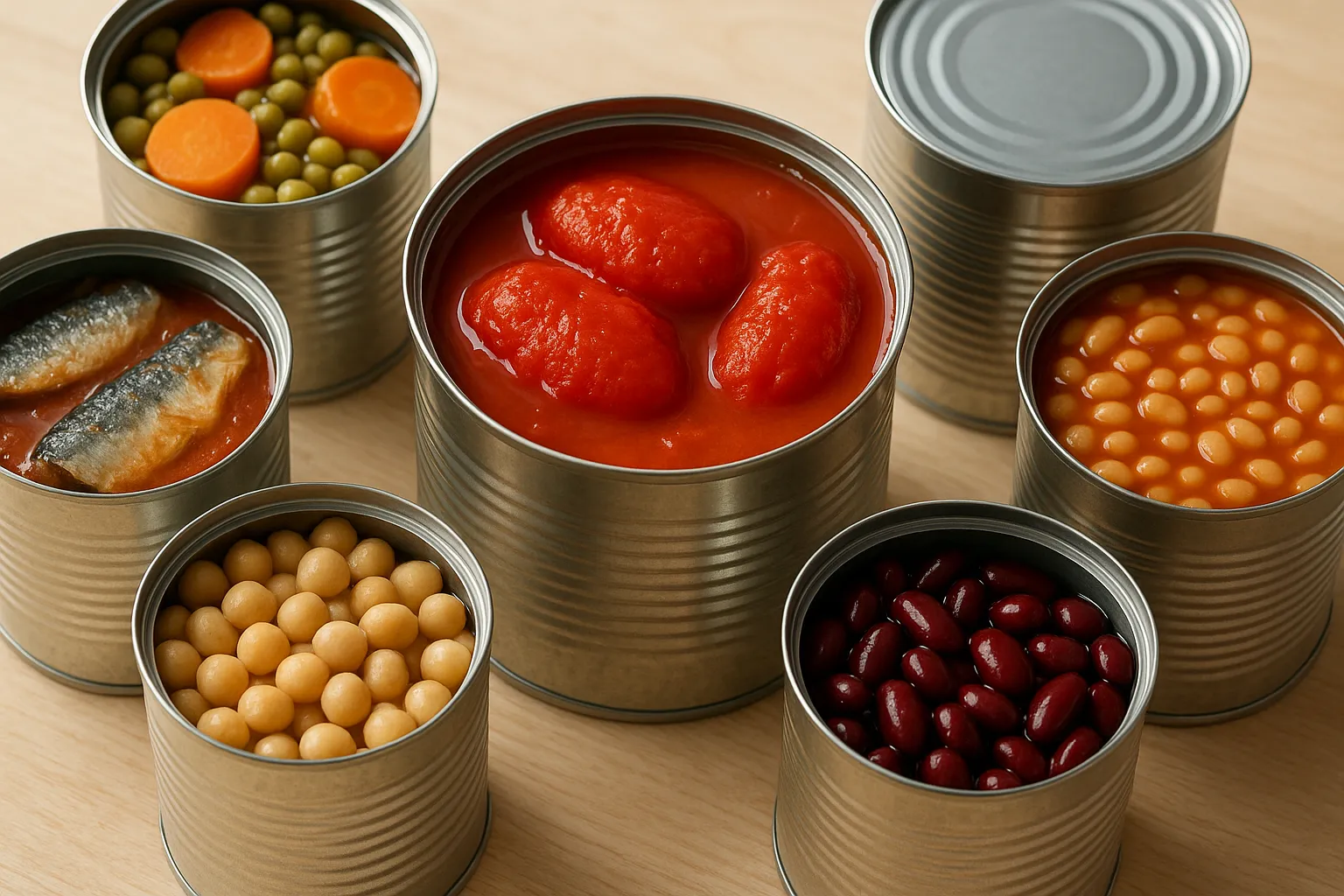
The canning process can enhance certain nutritional aspects, making some nutrients more bioavailable. For example, canned tomatoes are noted to contain higher levels of lycopene—a potent antioxidant—compared to fresh tomatoes. A 2007 study published in the Journal of the Science of Food and Agriculture highlighted that the heat involved in the canning process breaks down cell walls in tomatoes, thus facilitating easier absorption of lycopene by the human body. In addition to lycopene, canned tomatoes retain their vitamins and minerals, such as vitamin C and folate, maintaining a nutritional profile that can often surpass that of fresh products.
When it comes to vegetables, options like tinned peas, carrots, and green beans provide affordable nutrients for budget-conscious consumers. While these items are generally nutritious, it’s prudent to watch for added salt. Rinsing canned vegetables can significantly reduce sodium content, rendering them a healthier choice.
Canned fish, especially sardines, is another item worthy of attention. The omega-3 fatty acids found in oily fish are essential for maintaining cardiovascular health and supporting cognitive functions. A 2024 study published in the Journal of Food Composition and Analysis indicated that a typical 100g tin of sardines offers around 1.3g of omega-3s, aligning with public health guidelines recommending at least two portions of fish each week, one of which should be oily. Combining sardines packed in tomato sauce not only delivers omega-3s but also adds the benefit of lycopene.
Conversely, canned tuna tends to contain lower omega-3 levels than sardines, but it remains a source of protein and other essential nutrients. Another common canned food is baked beans, which often contain added sugars and salt in their accompanying sauces, making them more processed than many other canned options. Nevertheless, they are nutrient-rich, providing about 10g of protein and 8g of fibre per half can. Research in Nutrition Research found that individuals consuming baked beans daily experienced notable reductions in cholesterol levels, attributed to their high fibre content that aids in cholesterol binding and excretion.
Beyond beans, legumes such as lentils, chickpeas, and black beans also boast impressive nutritional profiles rich in fibre, protein, vitamins, and minerals. The canning process can aid digestion for some individuals by softening these foods, making them easier to consume. Rinsing the beans can help eliminate components that may lead to discomfort, even if they are generally beneficial for gut health.
Even canned fruit retains comparable nutritional benefits to fresh varieties, presuming they are not laden with sugary syrups. Consumers can opt for products preserved in fruit juice or water, which can mitigate added sugar intake.
Regarding canned meats, such as corned beef, customers should be cautious about their salt and fat content, as they can contain preservatives that are not removable through rinsing. While these products do offer nutritional value, they are often not recommended as everyday staples.
A notable concern surrounding canned foods is the presence of bisphenol A (BPA), a chemical previously used in can linings that has raised health alarms. Research suggests that BPA can leach into foods, particularly acidic ones, leading to potential health issues over time. Despite the EU’s prohibition of BPA from food contact materials, the situation in the UK is still evolving, with restrictions primarily focused on products aimed at infants. The Food Standards Agency has stated that current BPA levels in UK food are not deemed harmful, yet many manufacturers are preemptively transitioning to BPA-free packaging options.
In summary, canned foods unequivocally remain a viable and nutrient-dense option for many households. By making informed choices—such as selecting cans that are BPA-free and rinsing vegetables and legumes to lower salt content—consumers can enrich their diets conveniently and affordably. Canned products, when consumed mindfully, can seamlessly contribute to a balanced diet while remaining accessible to a diverse population.
Through continued awareness of both the benefits and nutritional considerations of canned foods, individuals can integrate these pantry staples into their meals without compromising health. Regularly incorporating such items can enhance dietary variety and provide valuable nutrients, ultimately supporting health and well-being.
Our Thoughts
The article focuses on the nutritional aspects of canned foods and does not directly report on any incident or accidents related to health and safety. Therefore, there are no specific safety lessons to extract, breaches of UK health and safety regulations to identify, or steps for preventing similar incidents to suggest. The content is primarily informational and does not pertain to health and safety management or incidents that would require an analysis of regulatory compliance.