















Story Highlight
– Algae and moss make garden patios dangerously slippery.
– Older individuals are at highest risk of falls.
– White vinegar effectively removes slippery algae.
– Regular cleaning can prevent hazardous patio conditions.
– Simple safety checks cost little and take under 30 minutes.
Full Story
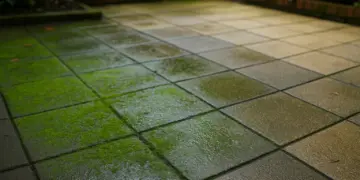
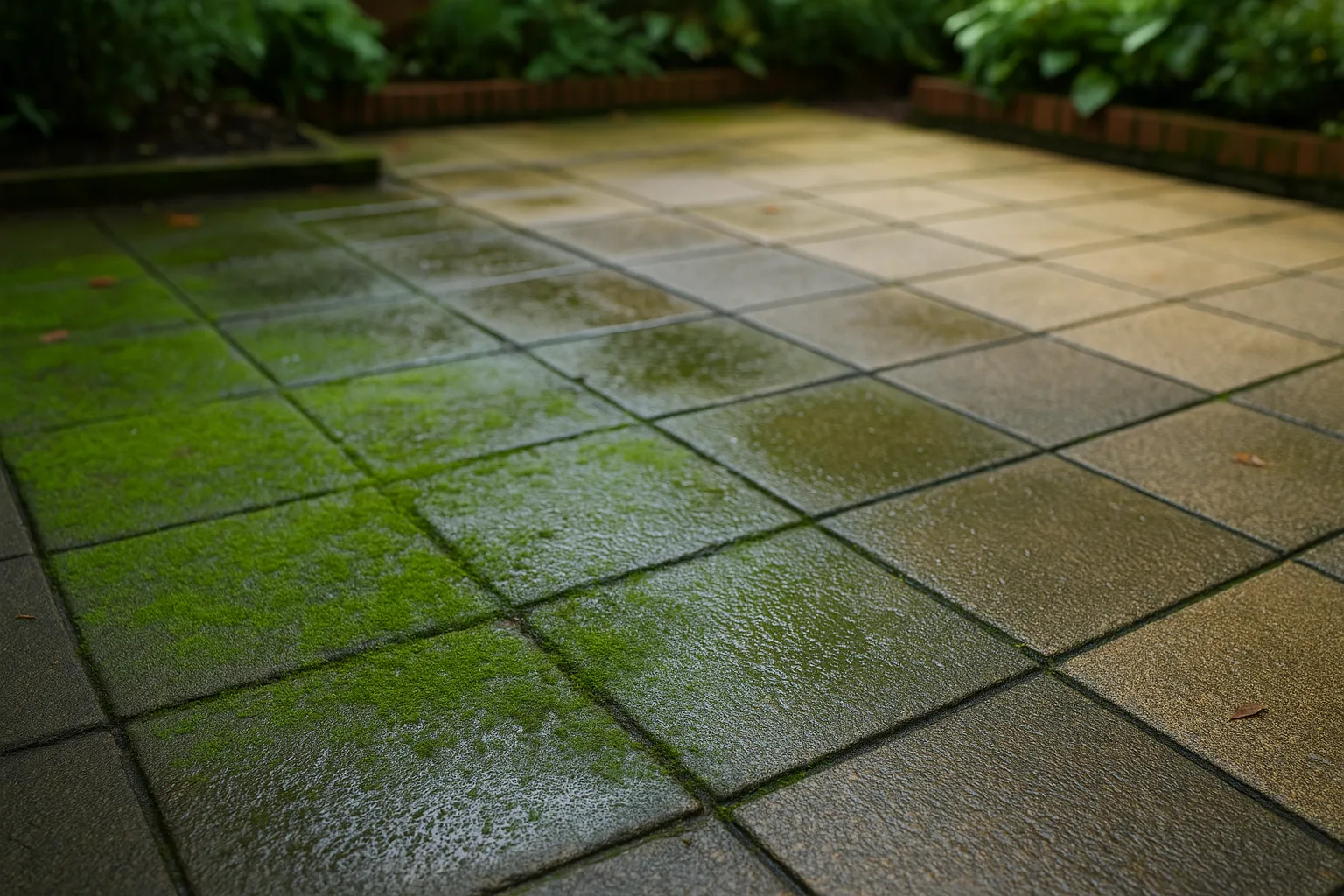
In April, many homeowners may unwittingly turn their garden patios into slipping hazards, particularly during the rainy season. Safety expert Neil McKenzie has raised concerns about how algae and moss accumulate on damp paving slabs, making them perilously slick, especially for elderly individuals who may be more prone to accidents.
With the arrival of spring, the combination of wet weather and warm temperatures creates ideal conditions for these slippery organisms to flourish. As people eagerly step outside for a welcome dose of sunshine, the hidden risk posed by seemingly innocuous green patches can quickly become apparent. McKenzie, who works with Halton Stairlifts, noted, “Algae creates a surface that becomes extremely slippery when wet. People step out onto their patio on a damp April morning thinking it’s safe, and that’s often when accidents happen.”
The hazards of a wet patio can lead to serious injuries, and McKenzie emphasised that the risk is significant. “Wet and contaminated surfaces are one of the primary causes of slip and trip incidents,” he said, further outlining how debris such as leaves and dirt contributes to this issue. Older adults are particularly vulnerable, as McKenzie pointed out, “Deteriorating vision, altered mobility, and increased frailty all increase the likelihood of a serious fall from what might seem like an ordinary slip.”
According to the UK’s Health and Safety Executive, slips and trips are the leading cause of major workplace injuries, indicating that a relaxed approach to patio safety can have serious repercussions. Therefore, ensuring that one’s outdoor space is safe should be a priority, particularly as April showers can soon turn a delightful garden into an unforeseen danger zone.
The biology of slip hazards begins in shaded and damp areas where algae and moss thrive. These spores settle in the crevices of concrete and paving stones, feeding off accumulated dirt and organic debris. Initially, the patio may appear unaffected, leading homeowners to assume it remains safe to walk on. However, McKenzie warned that the presence of even a faint green hue may indicate a significant loss of traction that has been developing over time, particularly in areas where water tends to pool.
Each damp morning raises the potential for accidents, particularly for those wearing socks, slippers, or shoes with worn-out soles. McKenzie recommended a practical solution that is both affordable and straightforward. “Treating it every few months costs almost nothing and takes under half an hour,” he stated. By developing a simple cleaning routine in April, homeowners can significantly reduce the risk of slips and transform their patios from hidden hazards into safer pathways.
The cleaning process primarily involves the application of a common household item: white wine vinegar, which can readily combat slippery algae. McKenzie suggested the following steps for effective patio maintenance:
1. Begin by sweeping away leaves, dirt, and other loose debris.
2. Mix equal parts of white wine vinegar and water.
3. Apply the mixture generously over the affected green patches.
4. Allow it to sit for 10 to 15 minutes.
5. Scrub the surface with a stiff brush and then rinse thoroughly.
While vinegar is a highly effective solution for standard concrete or man-made slabs, care should be taken when dealing with natural stone materials like limestone or marble. The acidic nature of vinegar can cause significant damage, leading to etching and structural weakness. Therefore, for these surfaces, McKenzie advises using a safer alternative, suggesting a mild solution of warm water and washing-up liquid accompanied by a soft brush.
For households with elderly residents or individuals unsteady on their feet, additional precautions should be taken to ensure safety once the patio surfaces have been cleaned. McKenzie recommended installing anti-slip tape on steps, improving ambient lighting around the patio, and avoiding the combination of vinegar with bleach-based cleaners, as this can create hazardous fumes.
As the season progresses, it becomes increasingly important for gardeners and outdoor enthusiasts to remain vigilant. The transition into warmer months should not only entail enjoying the fresh air but also addressing potential dangers lurking in one’s own garden. By incorporating a proactive approach to patio maintenance, homeowners can create an environment that is both inviting and safe.
With a few affordable and straightforward strategies, it’s entirely possible to maintain the beauty and functionality of a garden patio without compromising on safety. Regular checks and cleaning routines can be as simple as a monthly ritual, transforming the outdoor space into a secure refuge for the entire family. By prioritising these efforts, one can reconcile the joy of welcoming springtime warmth with the responsibility of ensuring safety in the home and garden.
Our Thoughts
To mitigate the risks associated with slippery patios, regular maintenance should be prioritized, especially in wet seasons. The article highlights the danger of algae and moss, which can create hazardous surfaces, particularly for older individuals. One preventive measure could be implementing a routine cleaning schedule during April, as recommended by Neil McKenzie, utilizing low-cost household products like white vinegar for treatment.
Key safety lessons include the importance of recognizing environmental risks and the need for proactive measures. Adhering to the Health and Safety at Work etc. Act 1974, which mandates the maintenance of a safe working environment, applies equally to home settings. Additionally, the Management of Health and Safety at Work Regulations 1999 requires risk assessments that could identify slippery surfaces as potential hazards.
To prevent similar incidents, homeowners should adopt regular cleaning habits, ensure adequate lighting, and consider anti-slip treatments, especially in residential areas with high foot traffic from older individuals. Raising awareness about these hazards can further enhance safety and reduce slip and trip incidents in domestic environments.