
















Story Highlight
– Arctic blast shuts hundreds of schools across the UK.
– Coldest night of winter recorded in England, Wales.
– Significant travel delays at airports and train services.
– Cold weather payments activated for thousands of households.
– Further snow expected, with new weather warnings issued.
Full Story
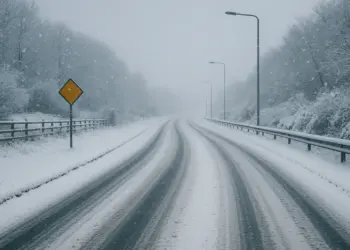
An inclement Arctic front has ushered in harsh winter conditions across the UK, leading to widespread school closures in Scotland, Wales, and Northern Ireland on Monday. The weather, marked by significant snow and ice, has disrupted travel, affecting road, rail, and air transportation.
Nationwide, yellow warnings for snow and ice are being enforced, with meteorologists predicting further accumulation later in the week. Among the coldest recorded temperatures was a chilling -10.9°C in Shap, Cumbria, making it the coldest night of the winter thus far for England and Wales. As a consequence, cold weather payments have been activated for numerous households in these regions, supporting those eligible with financial assistance during this severe weather.
In northern Scotland, including areas such as Aberdeenshire, Shetland, and Orkney, schools remain closed, disrupting students’ return to classrooms post-Christmas break. Although some schools in Aberdeen City are set to reopen due to staff living nearby, many local authorities continue to announce closures on a case-by-case basis. A wide range of schools in Wales has also closed, including numerous establishments in Gwynedd, Anglesey, Carmarthenshire, Neath Port Talbot, Bridgend County, Caerphilly, and Pembrokeshire. Additionally, over 170 schools across Northern Ireland remain shuttered, leaving many students unable to attend lessons.
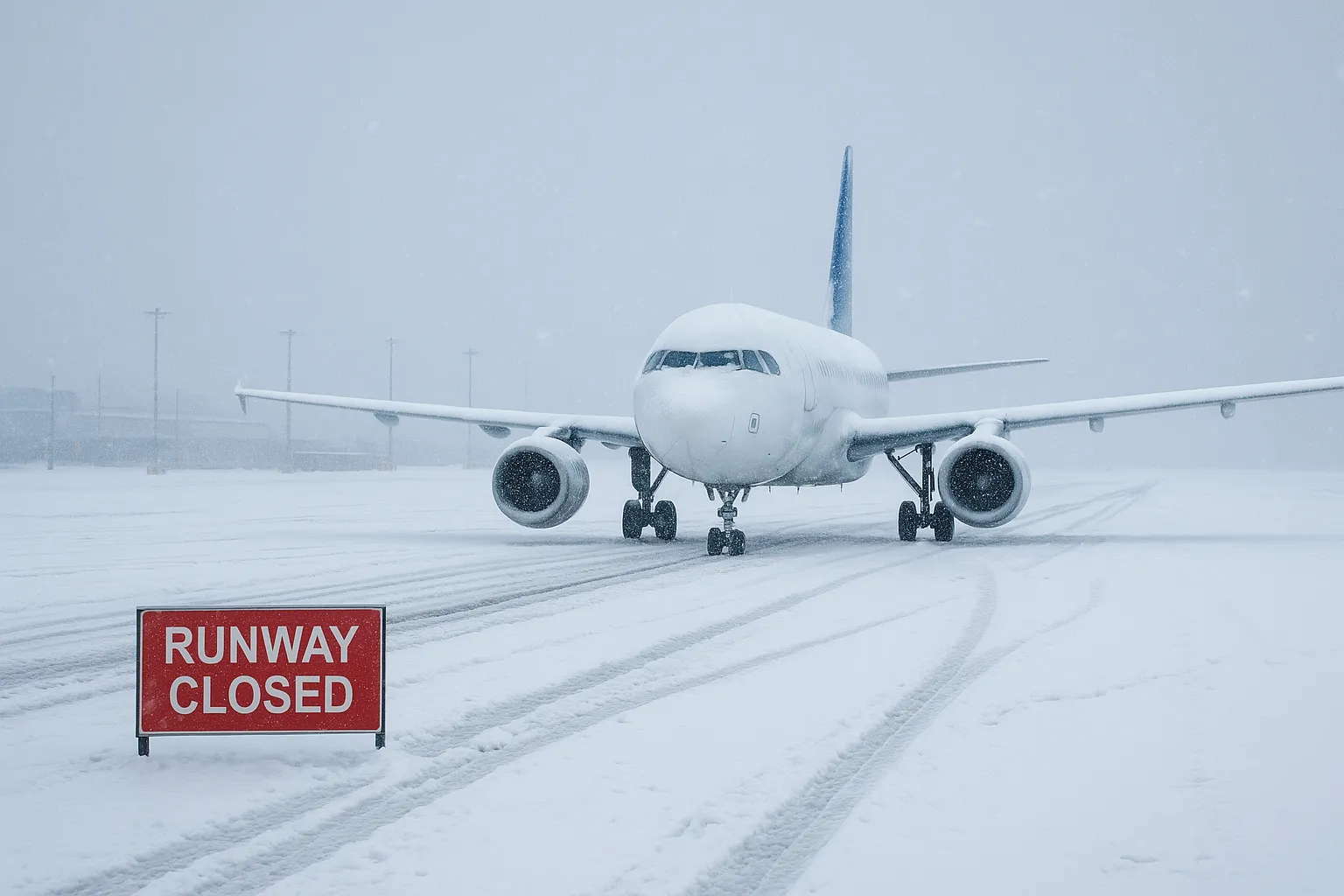
Travel has faced severe setbacks as well, with Liverpool John Lennon Airport experiencing flight cancellations following the closure of its runway due to adverse conditions. Emily Ashall, a passenger headed for Berlin, shared her experience of the disruption. After boarding the plane, she was informed of the flight’s cancellation, commenting that the airport was “packed to the brim” before the announcement. She remarked, “It’s a terrible situation but it is what it is.” By the afternoon, the airport managed to reopen its runway, yet the situation remains tenuous, with further delays and cancellations anticipated.
Belfast International Airport has also felt the impact of the weather, and the runway at City of Derry Airport was temporarily shut to enable clearance of snow and ice. Eurostar services, which connect London with the Netherlands, were particularly affected, with trains from King’s Cross St Pancras unable to operate as scheduled due to the inclement weather. Passengers were urged to postpone their trips if their services were shown as cancelled, with Eurostar expressing regret over significant delays and last-minute cancellations affecting trains that could still run. This disruption comes on the heels of previous weeks’ issues caused by a power supply malfunction in the Channel Tunnel, which left many stranded as New Year’s Eve approached.
Train services in northern Scotland have been similarly affected. Network Rail Scotland has issued warnings regarding “exceptionally deep snow and severe weather conditions,” severely hampering the progress of snow-clearing operations. LNER has advised travellers on the Edinburgh to Aberdeen route to reconsider their journeys, with a recommendation not to travel until at least 14:00 GMT on Tuesday. Conditions in Wales continue to hinder multiple services, including train links between Wales and Manchester Piccadilly, as well as those between Llandudno Junction and Blaenau Ffestiniog.
In response to safety concerns, Stagecoach has suspended all bus operations in Aberdeen and Aberdeenshire until further notice. A report from Shropshire highlights the challenges that emergency services face; firefighters had to traverse half a mile through deep snow to respond to a chimney fire near Oswestry, with the Shropshire Fire and Rescue Service indicating that access to the site was “extremely challenging.”
The cold weather payments, designed to assist those on certain benefits during periods of severe cold, are now being disbursed to hundreds of thousands of residents across England, Wales, and Northern Ireland. Specifically, a £25 payment is allocated for each seven-day period where local temperatures remain at or below freezing. Eligible recipients are advised that payments will be automatically transferred to their bank accounts within 14 days.
Across the UK on Monday, the Arctic air remains settled, promising further snow showers as the cold front continues to influence various areas, particularly northern Scotland, Northern Ireland, parts of west Wales, and southern regions of England. The Met Office has announced additional yellow weather warnings for much of Scotland, which are expected to last into Tuesday.
As this Arctic spell remains, local councils and transport services across the UK are grappling with the ramifications, instigating swift responses to ensure public safety while contending with the ongoing weather challenges. Further developments are anticipated as conditions evolve.
Our Thoughts
The recent Arctic weather conditions across the UK have highlighted several safety lapses that could have been mitigated to prevent disruptions. Firstly, school authorities should have implemented robust contingency plans in line with the Education (School Premises) Regulations 2012, ensuring clear communication about school closures based on weather forecasts. Regular assessments of the travel routes and infrastructure for safety compliance, as per the Highways Act 1980, could have minimized road and rail delays, while timely snow clearance operations by relevant authorities would have complied with the Health and Safety at Work Act 1974, ensuring safe passage for both vehicles and pedestrians.
Airports should have adhered to their snow handling procedures to prevent mass cancellations. The Civil Aviation Authority expects facilities to prepare for adverse weather by ensuring effective runway management and communication with passengers. Additionally, public transport services must not only suspend operations but also clearly communicate safety advisories to avoid unnecessary travel.
Key lessons include the importance of proactive weather response strategies, effective communication, and adherence to health and safety regulations to ensure public safety during extreme weather events. Preventive measures and preparations can significantly reduce the impact of such incidents in the future.