








Story Highlight
– Captain Philip Gilbert Muldowney, 25, died in training.
– Incident occurred at Otterburn Training Area, Northumberland.
– Muldowney suffered a gunshot wound during the exercise.
– Investigations by police and health safety inspectors ongoing.
– Inquest adjourned to May 19, 2027, for further examination.
Full Story
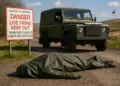
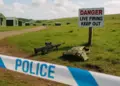
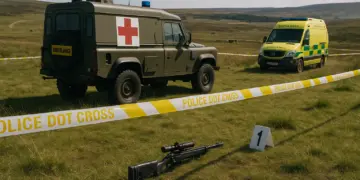
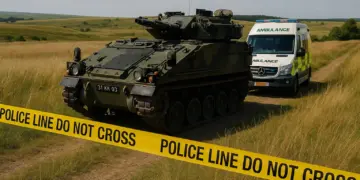
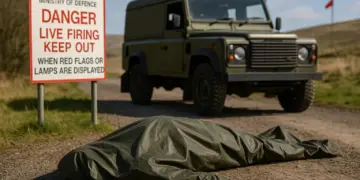
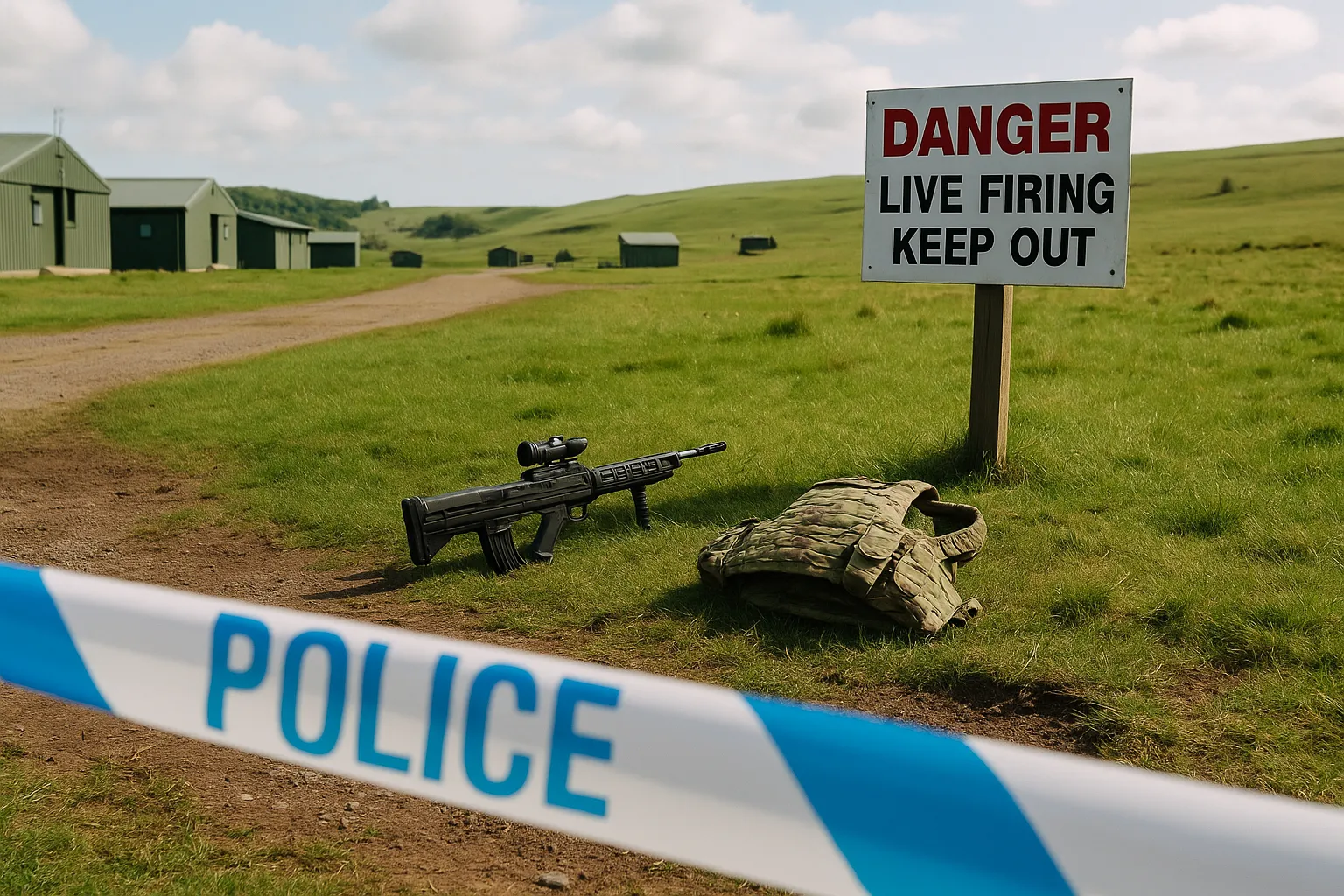
An investigation is underway following the tragic death of a young British Army officer during a live firing training exercise in Northumberland. Captain Philip Gilbert Muldowney, aged 25, lost his life on January 25, 2026, at the Otterburn Training Area, one of the UK’s largest military training ranges.
The inquest into his untimely death commenced on Thursday at Northumberland Coroner’s Court, located in County Hall, Morpeth. Senior Coroner Andrew Hetherington provided initial details about the incident that resulted in Capt Muldowney’s death, stating he sustained a fatal gunshot wound. This injury reportedly entered through his back and exited through his left shoulder.
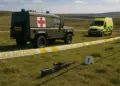
During the inquest, it was noted that military medics promptly attempted to administer CPR following the incident, and ambulance services were dispatched to the scene. Unfortunately, Capt Muldowney was pronounced dead at the location before he could be transported for further medical assistance.
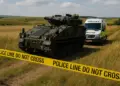
Coroner Hetherington confirmed that multiple agencies are involved in the investigation, including Northumbria Police, the Health and Safety Executive, and the Defence Safety Authority, which is conducting a service inquiry into the circumstances surrounding the incident. He also mentioned that the inquest would be provisionally adjourned until May 19, 2027, although he acknowledged that this date may be subject to change as the investigation progresses.
In attendance at the hearing via video link were Capt Muldowney’s parents, who expressed their profound grief over the loss of their son. Captain Muldowney hailed from Co Roscommon and served as a fire support commander in the 129 (Dragon) Battery of the 4th Regiment Royal Artillery. His career in the army began when he enlisted on January 5, 2020, and he was commissioned into the Royal Artillery after completing his training at the Royal Military Academy Sandhurst in December 2020.
In the wake of his death, many have sought to honour his memory. Friends and colleagues have described Capt Muldowney as a “truly kind person, highly competent and endearingly joyful,” reflecting the deep respect and admiration he garnered during his service.
The Otterburn Training Area, where the incident occurred, is renowned for its extensive range of military exercises and is a vital component of the training regimen for Army personnel in the UK. The area offers diverse terrains suitable for various operations, making it a key site for preparing soldiers for active duty. Despite its importance, incidents of this nature raise significant safety concerns regarding training practices, especially in high-risk environments involving live ammunition.
The presence of multiple investigative bodies underscores the seriousness of the incident, highlighting the need for thorough examination to ensure accountability and improve safety protocols. Previous occurrences in military training areas have prompted scrutiny and calls for enhanced safeguards to protect personnel during training exercises.
Following the inquest’s opening, there has been an outpouring of support for Capt Muldowney’s family, as well as calls from the local community and the military fraternity for a transparent investigation into the circumstances of his death. Many within the armed forces have emphasised the critical importance of safety measures during training, advocating for a culture of accountability that prioritises the well-being of service members.
Several military experts have weighed in on the implications of such incidents and the need for continuous improvements in training safety. They argue that while live firing exercises are essential for preparing soldiers for combat situations, there must be stringent procedures and regular assessments to minimise risks inherent in these operations.
The military community is known for its resilience, yet the loss of a young officer such as Capt Muldowney is felt deeply across the ranks. His dedication to service and the positive impact he had on those around him will not be forgotten. As investigations into the incident continue, there is a collective hope that lessons will be learned that could prevent future tragedies in the armed forces.
As this story develops, updates will be provided regarding both the ongoing investigations and any findings from the inquest that may shed light on the detailed circumstances of Capt Muldowney’s death. Further inquiries into the specifics of the training exercise will be closely monitored by both military officials and the wider community, ensuring that the memory of Capt Muldowney is honoured through actionable measures that enhance safety and operational integrity within the armed forces.
Our Thoughts
The tragic death of Captain Philip Gilbert Muldowney during a live firing training exercise underscores several critical aspects of health and safety that could have been adhered to in order to potentially prevent such incidents. It is essential that thorough risk assessments are conducted prior to live firing exercises, in compliance with the Health and Safety at Work Act 1974, ensuring that all foreseeable risks are identified and mitigated.
Furthermore, adherence to the MOD’s own safety regulations, such as the Defence Safety Authority’s guidance on live firing, should be strictly enforced. This includes ensuring that all personnel involved in ordnance handling are adequately trained and supervised, with clear protocols in place for emergency situations, including the provision of immediate medical support.
Additionally, reviewing and improving communication protocols during training exercises could help avoid misunderstandings that may lead to accidents. Regular audits and safety drills could reinforce awareness and preparedness among all personnel involved.
The investigation will likely reveal specific breaches of health and safety regulations, but the need for a systemic approach to training safety remains a vital lesson to be learned from this incident.