














Story Highlight
– Asbestos may still be in homes built before 2000.
– Home renovations can release harmful asbestos fibers.
– Textured ceilings and walls are common asbestos sources.
– Damaged insulation and old vinyl tiles pose risks.
– Professional help is crucial for asbestos management.
Full Story
Householders considering renovations in their properties, particularly those constructed before the year 2000, may unknowingly expose their families to health risks associated with asbestos. This persistent presence of asbestos in older buildings has raised alarms among experts, who warn that it can still surface unexpectedly during typical home improvement projects.
Asbestos, a group of naturally occurring fibrous minerals known for heat resistance and durability, was extensively used in construction materials, including ceiling tiles, insulation, and roofing shingles. Although the substance was banned in the UK in 1999, many homes built prior to this date still contain asbestos materials. The UK Health and Safety Executive has indicated that it is prevalent in housing constructed before the millennium, highlighting the need for vigilance among homeowners.
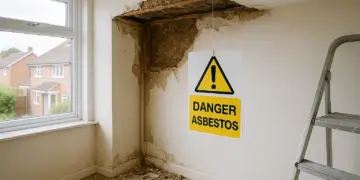
Mat Stewart, an asbestos expert from Sundemolition, addressed the issue, stating that many individuals only discover the presence of asbestos after renovations have already commenced. “Asbestos is commonly found by accident when homeowners drill into walls, strip ceilings, or lift old flooring. By that point, fibres may already have been released, which understandably causes concern for families,” he noted.
With the potential for unexpected exposure rising, Stewart has outlined several key indicators that could suggest the presence of asbestos in homes. Homeowners should be particularly cautious if they observe any of these warning signs during their renovation activities.
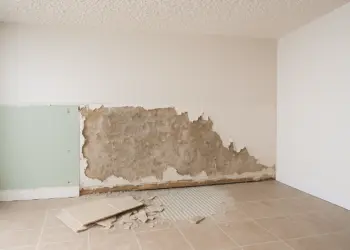
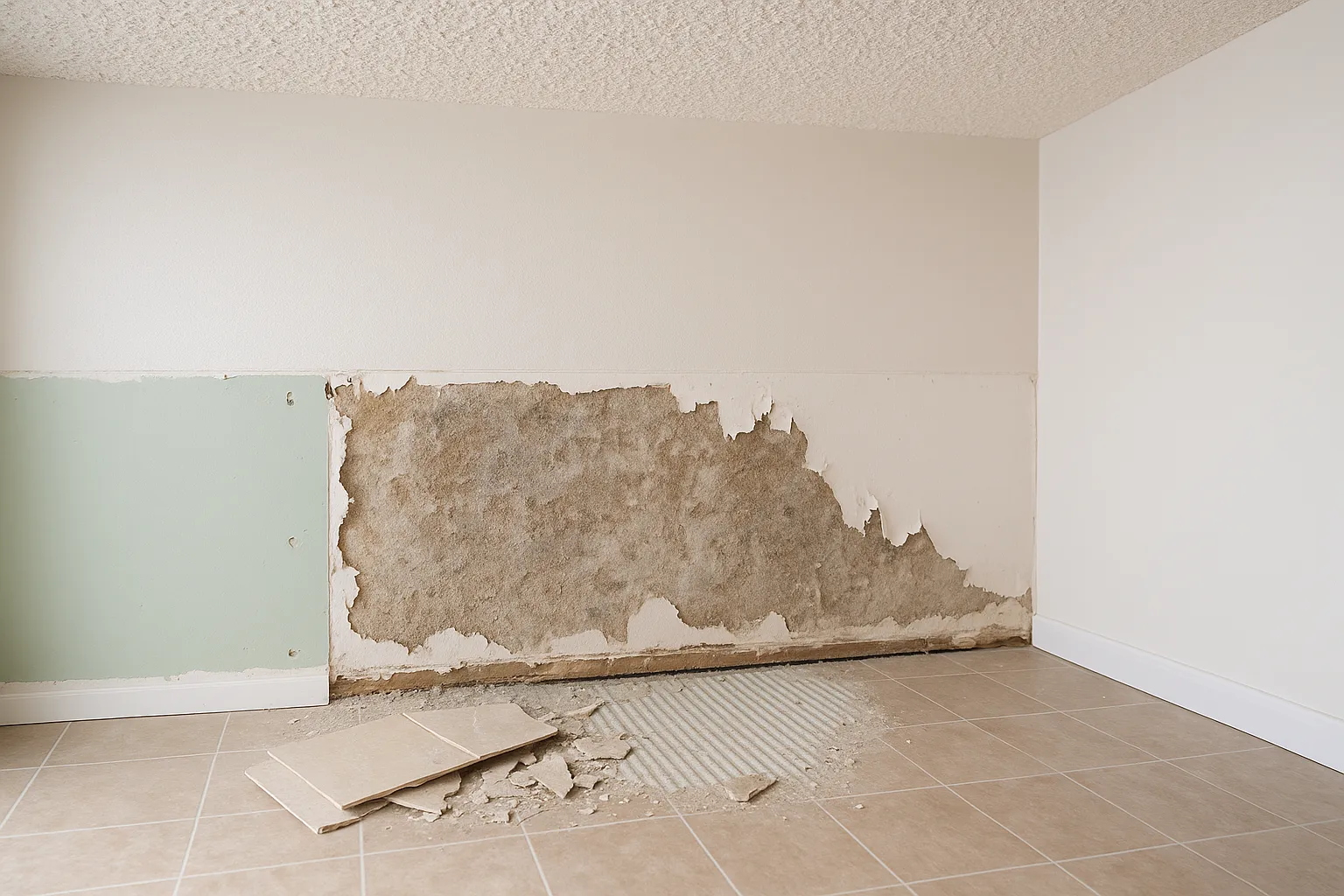
Despite popular belief, many assume that their newer properties are entirely free from such hazards. Stewart cautioned against this misconception, explaining that “many homeowners assume their property is too new to be affected, but asbestos-containing materials are still found in buildings constructed well into that period.” Among the most typical sources of asbestos in homes are textured ceilings and walls, particularly those coated with Artex, a decorative plaster finish that gained popularity in the 1970s and 80s. Stewart noted that even minor activities like drilling or sanding can disturb the material, unleashing hazardous fibres into the environment.
Additionally, the risk extends beyond interior surfaces. Older garages, sheds, and outbuildings frequently contain roofs made with asbestos cement, which was a common choice for roofing panels because of its strength and durability. As these materials deteriorate over time, the likelihood of fibre release significantly increases, presenting a further risk for homeowners engaged in renovations.
Stewart also warned about damaged insulation and pipe lagging, which he describes as some of the highest-risk materials one might encounter during home renovations. He emphasised that if the insulation surrounding pipes or boilers appears worn or crumbling, it should be treated with utmost caution. “If insulation around pipes or boilers appears frayed or crumbly, it should be treated as a serious hazard,” he explained.
Another critical point of concern is the lifting of old vinyl floor tiles. The expert indicated that these tiles and the adhesive used beneath them often contained asbestos. When broken or removed, the tiles can release dangerous fibres, particularly during refurbishment work.
Given the health implications associated with asbestos exposure, Stewart strongly advised homeowners to refrain from handling materials suspected of containing asbestos without professional guidance. “While asbestos can be managed safely, problems arise when people unknowingly disturb it. The key is awareness. If asbestos is suspected, work should stop immediately, and a professional survey should be carried out to protect both health and property,” he cautioned.
The importance of this warning is underscored by the severe health risks associated with asbestos exposure, which can lead to debilitating diseases such as mesothelioma, lung cancer, and asbestosis. These conditions are likely to develop after prolonged inhalation of asbestos fibres, making prevention critical.
In light of the ongoing risks posed by asbestos in older buildings, experts suggest that homeowners engage qualified professionals for assessments before undertaking renovation projects. An early examination can help identify potential hazards and mitigate exposure risks, ensuring safety for occupants, particularly children who are more vulnerable to the effects of toxic substances.
As public awareness of such issues grows, it becomes increasingly essential for homeowners to remain informed and proactive. With many people still unaware of the potential risks, outreach through community workshops or local information campaigns may be beneficial in educating the public about the dangers of unrecognised asbestos in older homes.
Ultimately, being equipped with knowledge not only protects homeowners but also contributes to broader community health initiatives, ensuring that families can renovate their living spaces with confidence.
Careful planning and due diligence provide a pathway for safe renovation practices, preventing potential health hazards associated with asbestos disturbance. With experts like Stewart offering guidance, householders can take informed steps towards ensuring their homes remain safe from hidden dangers during the course of upgrades and improvements.
Our Thoughts
To prevent incidents related to asbestos disturbance in homes built before 2000, several key measures should be implemented. Firstly, thorough pre-renovation assessments should be mandated, including professional asbestos surveys, to identify any potential hazards prior to any work commencing. This aligns with the Control of Asbestos Regulations 2012, which stipulate that property owners must assess risks related to asbestos and manage any identified hazards effectively.
Homeowners should be educated about the dangers of asbestos and the importance of professional intervention when renovating older properties. Clear guidance should be provided regarding the identification of materials likely to contain asbestos, such as textured ceilings and vinyl floor tiles, to prevent unknowing disturbance.
Additionally, the Health and Safety at Work Act 1974 requires employers to ensure the safety of their employees and others, reinforcing the need for awareness and training for those involved in renovations.
To prevent similar incidents, implementing community outreach programs about asbestos risks and fostering compliance with established health and safety regulations can significantly reduce the likelihood of accidental exposure during home improvements.