











Story Highlight
– Babcock employee seriously injured at Devonport dockyard.
– Incident occurred during work on HMS Audacious.
– Employee hospitalized; details of injuries undisclosed.
– Investigation launched; Health and Safety Executive involved.
– Safety of workers prioritized by Babcock spokesperson.
Full Story
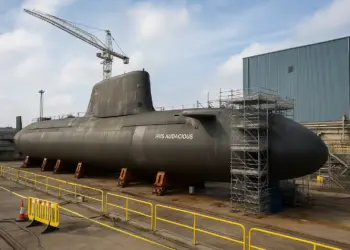
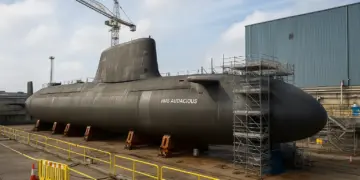
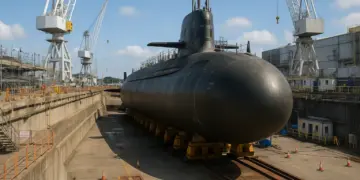
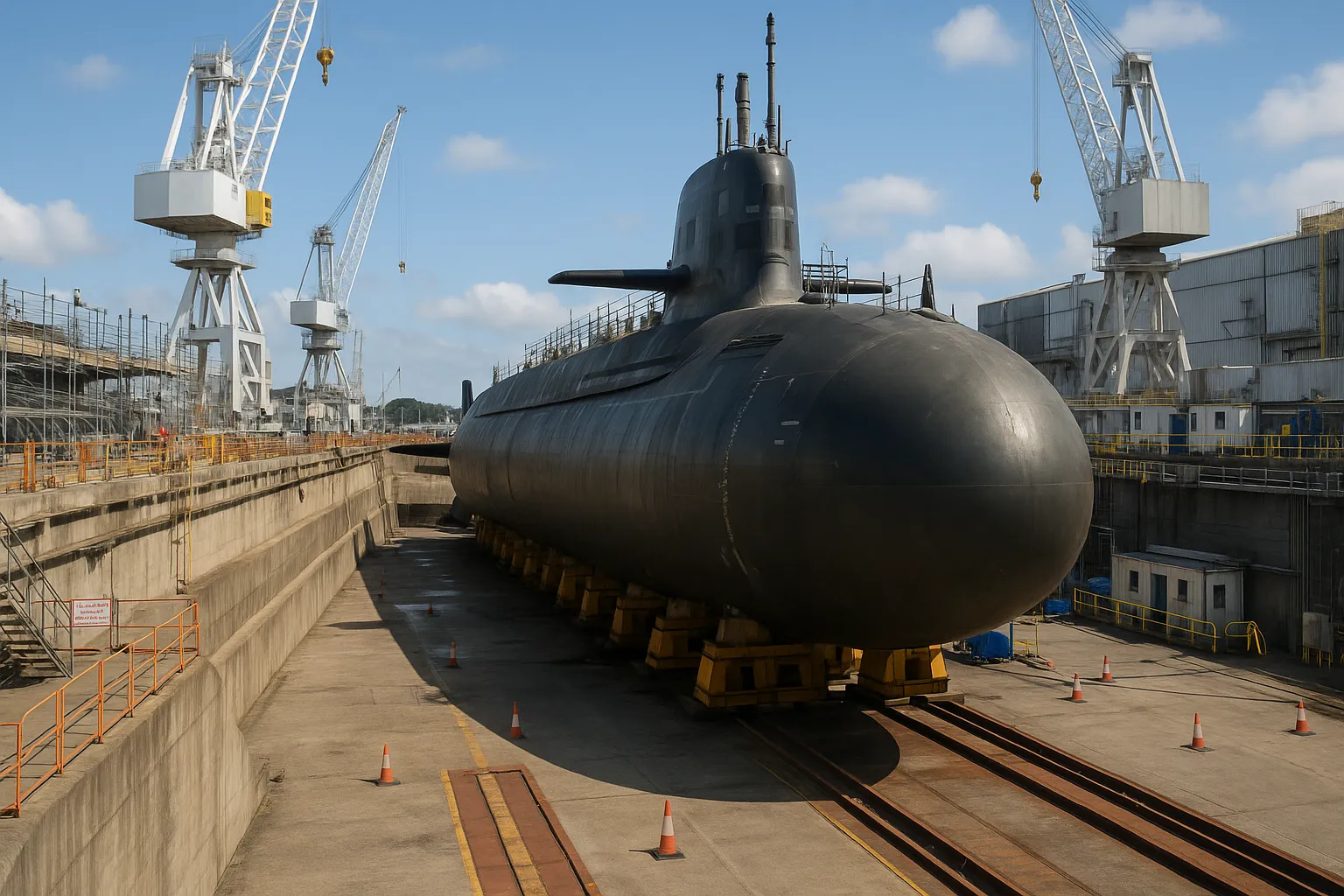
A serious incident involving a Babcock employee occurred at the Devonport naval base, resulting in the worker sustaining severe injuries while working on a dry-docked submarine. The event took place on April 2, and the affected individual was subsequently hospitalised. While the specific details surrounding the incident have not been publicly disclosed, it has been confirmed that the employee was engaged with HMS Audacious at the time of the accident.
Babcock International, the company responsible for managing operations at the site, has acknowledged the occurrence of an incident on the date specified but has yet to provide further information regarding the circumstances, identity of the individual, or the severity of the injuries sustained. A spokesperson for Babcock stated, “On April 2, a Babcock colleague was taken to hospital following an incident at our Devonport site, and our focus is on their wellbeing. An investigation is underway to establish the cause of the incident.”
In light of the incident, the Health and Safety Executive (HSE), which oversees workplace health and safety regulations, has been notified and is currently conducting inquiries into the matter. A representative from the HSE confirmed their awareness of the incident and stated, “We are aware of this incident and making enquiries.”
The HMS Audacious is part of the Royal Navy’s Astute-class submarine fleet and has been stationed at Devonport since its arrival in Plymouth in 2023. This submarine is the fourth in the Astute series, which was launched in April 2017. Prior to the incident, HMS Audacious completed an 11-month deployment in the Mediterranean, during which divers undertook complex repairs on partially submerged ballast tanks crucial for the submarine’s buoyancy. Following this extensive mission, the vessel returned to Plymouth, where further maintenance work was initiated while it was docked at a tidal berth in anticipation of undergoing a refit in the dry dock.
As investigations continue, Babcock has reiterated its commitment to ensuring the health and safety of its workers across all operations. The company emphasised that the safety and wellbeing of employees remain their utmost priority during this challenging time.
Local responses to the incident have highlighted safety concerns regarding operations at the naval base. Industry experts stress the critical importance of maintaining rigorous safety protocols, particularly in high-risk environments such as naval dockyards. Brian McCarthy, a safety consultant with over two decades of experience in maritime operations, commented, “Incidents in complex environments like shipbuilding and repairs are always concerning. It underscores the need for stringent safety management systems and ongoing training for all personnel involved in high-risk tasks.”
The incident has garnered attention not only due to its serious nature but also because of the implications it carries for workplace safety protocols at Babcock and the wider defence sector. As the investigation unfolds, stakeholders are keenly observing the outcomes, which could lead to renewed scrutiny of operational practices within such environments.
The Ministry of Defence has been contacted for additional comments regarding the incident but has not yet released a statement. In the interim, the focus remains on the recovery of the injured employee and the resolution of the inquiry into how the incident occurred.
Submarines like HMS Audacious play a pivotal role in the Royal Navy’s capabilities, with the Astute-class submarines designed for a range of tasks including intelligence gathering, surveillance, and conventional deterrent operations. As the operational demands on the fleet continue to evolve, ensuring the safety and readiness of personnel becomes increasingly vital.
With the ongoing investigation and attention from regulatory bodies, the incident at Devonport could lead to enhanced safety measures being implemented across similar facilities, aiming to prevent future occurrences. The commitment to safeguarding the health and safety of workers must remain a paramount concern, especially within industries that navigate the complexities of modern defense requirements.
In conclusion, the incident at the Devonport dockyard serves as a reminder of the inherent risks associated with naval construction and maintenance. As further details emerge, industry leaders and regulatory bodies will likely assess the implications for future safety practices, ensuring that the welfare of personnel remains a top priority as operations proceed in this critical sector.
Our Thoughts
The incident involving a Babcock employee at the Devonport dockyard highlights several key areas where safety measures could have been improved. Enhanced risk assessments and adherence to the Management of Health and Safety at Work Regulations 1999 could have identified potential hazards associated with working on a nuclear submarine. Implementing more rigorous training and supervision protocols for employees dealing with complex maintenance work would promote a safer working environment.
There could be a breach of the Health and Safety at Work Act 1974 if it is found that Babcock did not ensure, as far as reasonably practicable, the health and safety of its workers. Stringent communication regarding safety procedures and the potential hazards of working on such critical equipment is vital to prevent similar incidents.
To prevent future occurrences, companies should reinforce their safety culture through regular training, establish clear reporting mechanisms for unsafe conditions, and regularly review safety protocols. Additionally, conducting thorough investigations into incidents and transparently sharing findings with employees may enhance overall safety awareness and compliance.