











Story Highlight
– Babcock worker hospitalized with serious injuries at Devonport.
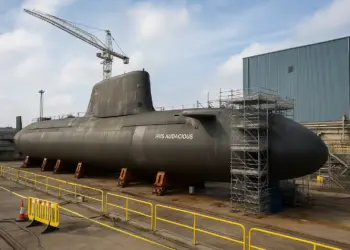
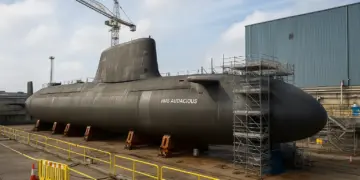
– Incident occurred on HMS Audacious in dry dock.
– Investigation launched by Babcock and Health and Safety Executive.
– Company emphasizes focus on employee’s wellbeing and safety.
– HMS Audacious is a £1.3 billion Astute-class submarine.
Full Story
A worker associated with Babcock International Group was admitted to hospital with serious injuries following an incident on a nuclear submarine at Devonport naval base on April 2. This facility is the UK’s sole location for the refitting of nuclear-powered submarines.
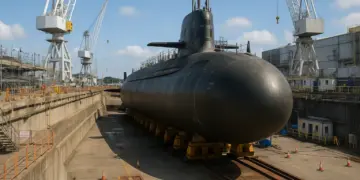
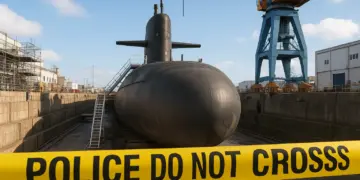
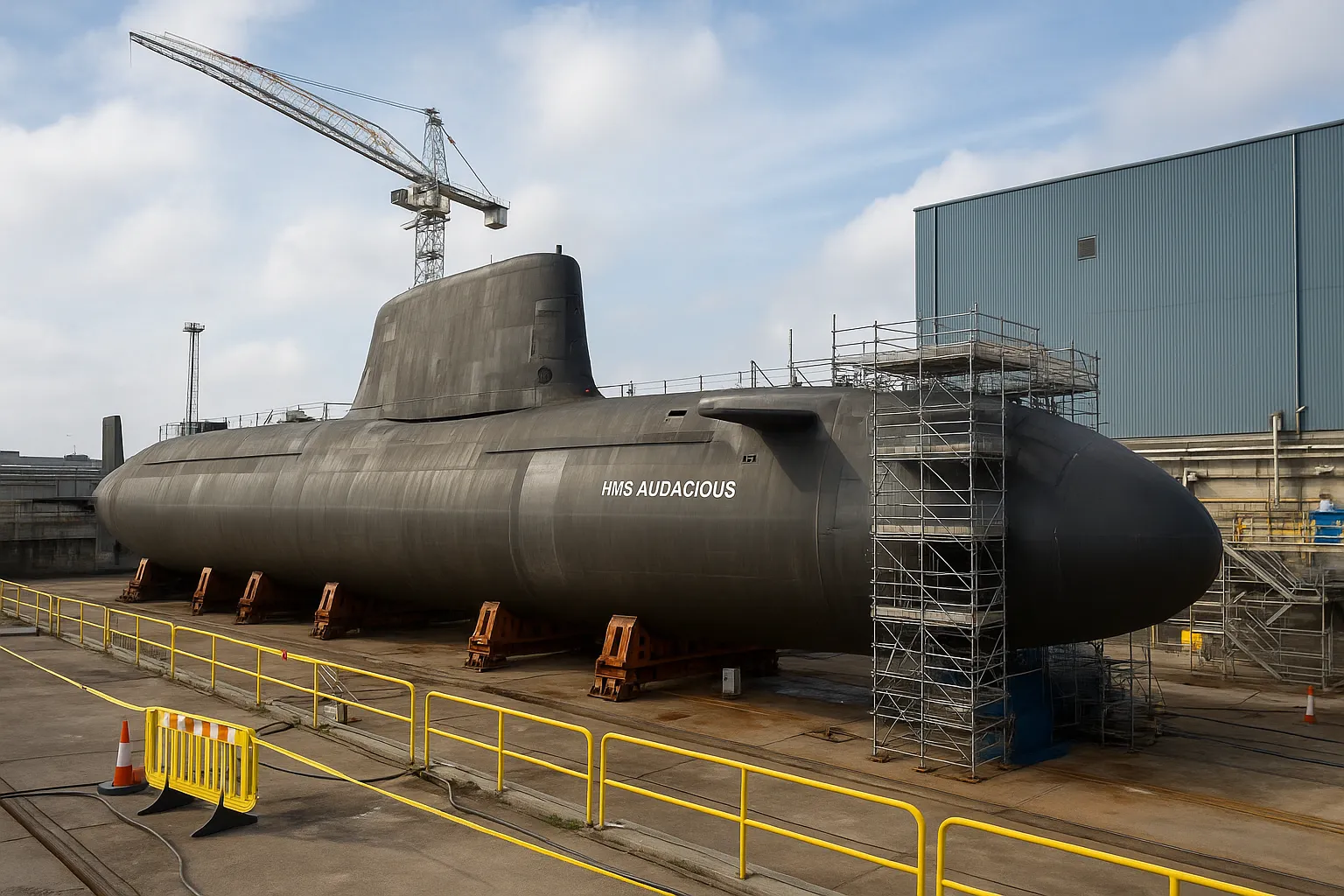
The injured individual was reportedly engaged in work on the HMS Audacious, which was undergoing maintenance in dry dock at the time of the incident. While the specifics surrounding the circumstances of the injury have not been disclosed, indications point towards its severity, prompting medical intervention.
Details about the injured worker and the exact nature of their injuries have not been made public, and the firm has opted to refrain from sharing additional information regarding the incident. Nonetheless, a Babcock representative confirmed that a colleague had been taken to the hospital, underlining their commitment to the individual’s health and recovery.
A spokesperson for Babcock stated, “On April 2, a Babcock colleague was taken to hospital following an incident at our Devonport site and our focus is on their wellbeing. An investigation is underway to establish the cause of the incident. The health and safety of everyone working across our operations is our absolute priority.”
The Health and Safety Executive (HSE), which serves as the independent regulator for work-related health and safety matters, is actively investigating the situation. A representative from the HSE indicated, “We are aware of this incident and making enquiries.”
The HMS Audacious is a notable vessel in the Royal Navy’s fleet, classified as an Astute-class submarine. This submarine arrived in Plymouth in early 2023 and entered dry dock at the Devonport base shortly thereafter, according to reports from the defence publication Navy Lookout. Constructed at a cost of £1.3 billion, the submarine is engineered for intelligence-gathering missions and is capable of launching Tomahawk missiles.
Commissioned in April 2017, the HMS Audacious is the fourth submarine in the Astute-class series and was officially named during a ceremony on December 16, 2016. The vessel achieved a significant milestone by conducting its first dive at Devonshire Dock over the course of two days in January 2018. More recently, in April 2023, the submarine completed a remarkable 363-day deployment, marking the longest duration for any Astute-class submarine to date.
This incident raises critical concerns regarding workplace safety, particularly in high-risk environments such as naval maintenance yards. The nature of the work carried out on nuclear submarines demands strict adherence to health and safety protocols, as the consequences of any oversight can be severe. Hence, the investigation by the HSE will be vital in determining if there were any lapses in safety measures that led to this incident.
As this story unfolds, it remains paramount that Babcock International, along with the regulatory authorities, ensures all necessary protocols are followed stringently to safeguard the health and safety of employees at the Devonport site. The focus now is not only on the recovery of the injured worker but also on preventing future occurrences through a thorough examination of the incident and its contributing factors.
The HMS Audacious itself plays a pivotal role within the UK’s maritime defence strategy, underscoring the importance of maintaining high operational standards and safety measures. The vessel’s operational capabilities, coupled with its substantial cost and the strategic role it plays, emphasize the critical need for vigilance in ensuring the safety of crew members working on such sophisticated military assets.
In light of this incident, it might be worth exploring broader implications regarding the safety culture present in high-stakes industries like defence. Experts in occupational health and safety may be called upon to evaluate current practices and recommend enhancements in training and safety protocols that could mitigate risks associated with such complex operations.
The response from the local community, particularly those connected to the naval base and the Babcock workforce, will also be an essential aspect to observe as more details emerge. Local leaders and representatives from workers’ unions may seek discussions about safety standards and support mechanisms for employees working in potentially hazardous environments like the Devonport naval base.
In conclusion, a thorough investigation into the circumstances surrounding this incident is imperative, not only to uncover the specifics of what occurred but also to reinforce the commitment to occupational safety within the naval industry. As the wounded worker receives medical care, the focus will be on ensuring that such events do not recur, fostering a safer working environment for all employees involved.
Our Thoughts
To prevent the serious injury incident involving a Babcock worker at Devonport naval base, several proactive measures could have been implemented. Key safety lessons include the importance of rigorous risk assessments and the need for robust safety protocols when working in high-risk environments, such as nuclear submarine refitting.
Relevant UK regulations, such as the Health and Safety at Work Act 1974 and the Management of Health and Safety at Work Regulations 1999, emphasize the necessity of ensuring the health and safety of all employees by assessing risks and implementing appropriate control measures. Training and competency checks for workers on hazardous tasks are vital to ensure safe working practices.
Furthermore, conducting thorough investigations and maintaining transparent communication about safety incidents can enhance workplace safety culture and prevent recurrence. Regular safety drills specific to submarine operations should be mandatory to prepare workers for emergency situations.
Overall, a stronger emphasis on health and safety compliance, alongside continuous monitoring of operational practices, could mitigate risks and prevent similar incidents in the future.