







Story Highlight
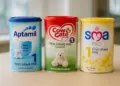
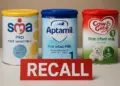
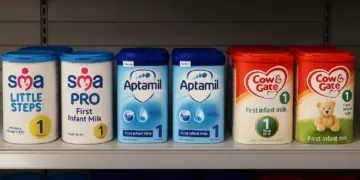
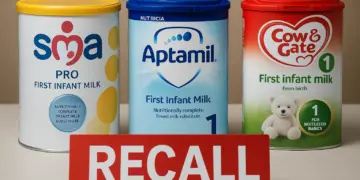
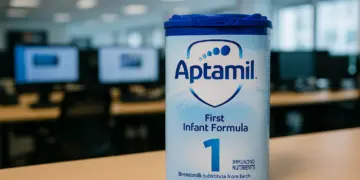
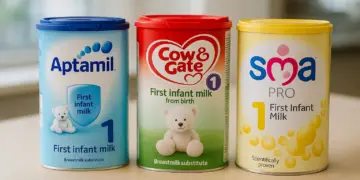
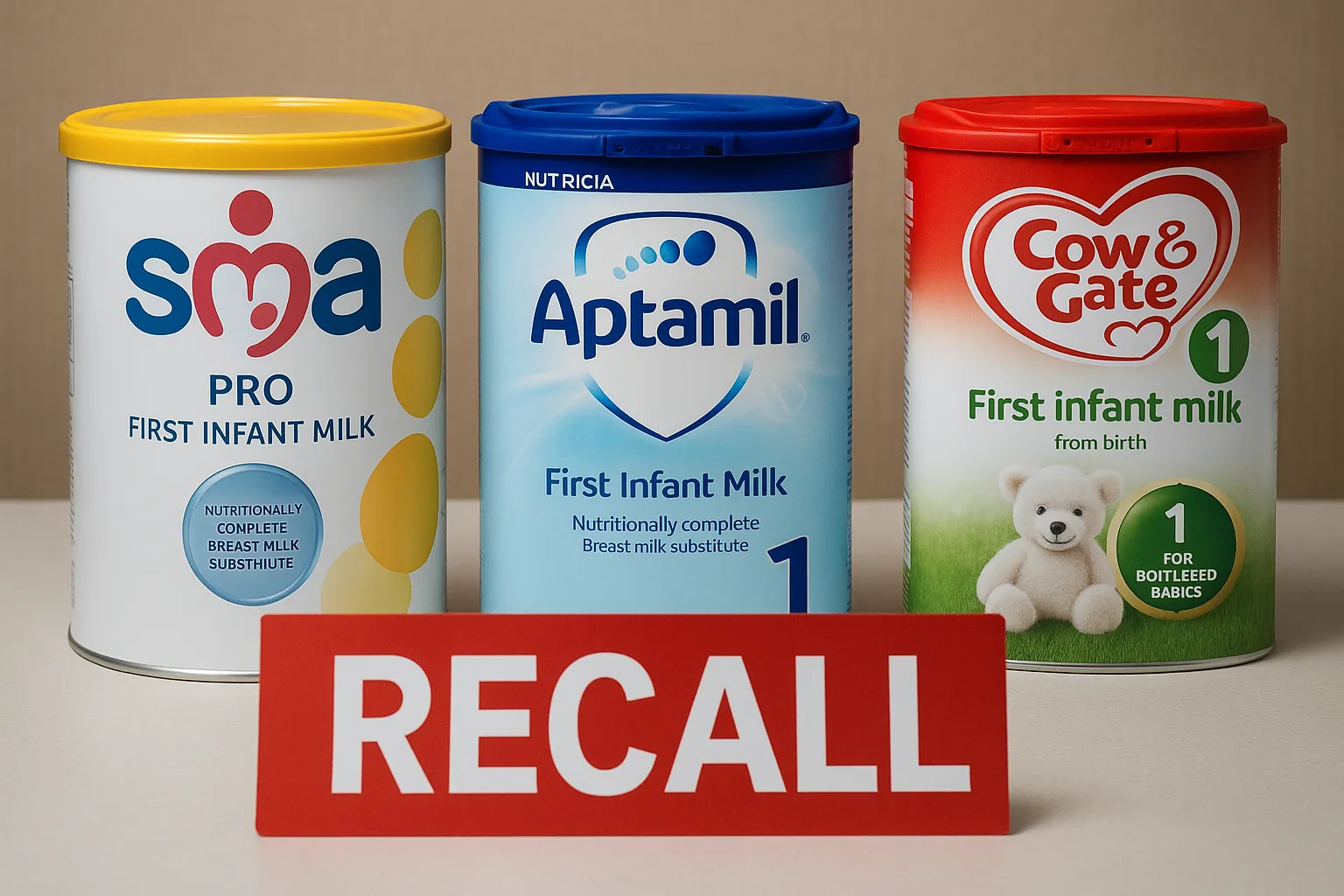
– SMA, Aptamil, and Cow & Gate formulas recalled in UK.
– Contamination linked to cereulide toxin found in batches.
– 36 cases of toxin poisoning in children reported.
– Affected products can be returned for refunds.
– Experts warn of safety gaps in baby formula regulation.
Full Story
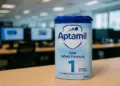
A recall of several baby formula products is causing concern among parents across the UK, following the discovery of a potentially harmful toxin in multiple batches. Notable brands involved in this incident include SMA, Aptamil, and Cow & Gate. Health authorities are urging caregivers to urgently check their supplies after contamination with cereulide, a toxin produced by the Bacillus cereus bacteria.
The Food Standards Agency (FSA) confirmed that the recall commenced in early January and has since expanded as investigations progress. At present, 28 batches of baby formula have been withdrawn from distribution. The situation has escalated following reports of 36 children in the UK who exhibited symptoms indicative of cereulide poisoning after consuming products from these affected batches.
The origins of the contamination have been traced back to a common third-party supplier that produced arachidonic acid (ARA), an omega-6 fatty acid included in certain infant formulas. Although ARA is found naturally in breast milk, its addition to formula is not mandatory under current regulations. Dr. Chris van Tulleken, a television doctor and Professor of Infection and Global Health at University College London, highlighted the manufacturing process of ARA as a potential factor in the contamination. “The contaminant seems to come from the fact that the ARA is produced using microbial fermentation – this process demands exceptionally tight manufacturing processes to ensure the right bugs grow the right stuff – and this has failed,” he stated on social media platform X.
Symptoms associated with cereulide poisoning can manifest quickly, typically within 15 minutes to six hours following ingestion. Parents have been advised to watch for signs such as nausea, vomiting, diarrhoea, and abdominal cramps. While most children who consume contaminated products often recover within a day if they discontinue use, the toxin poses heightened risks to younger infants and those with weakened immune systems. Katie Pettifer, Chief Executive of the FSA, reassured the public, stating, “The risk of harm to children from cereulide contamination at these levels is low, but consuming it could cause symptoms such as vomiting and diarrhoea.” She urged parents to seek medical advice if their children display symptoms after consuming affected products.
In light of these developments, the FSA has called on all parents and caregivers to thoroughly examine their stocks of SMA, Aptamil, and Cow & Gate formulas and to cease using any products from the recalled batches. Affected items can be returned to retailers for an exchange or complete refund, thereby ensuring a risk-free resolution for concerned consumers.
Both Danone and Nestlé have committed to discontinuing use of the supplier linked to the contamination. Additionally, main grocery chains, including Tesco and Co-op, have been reported to still carry products that remain unaffected by this recall, allowing parents to shop safely for formula.
However, this incident has raised significant alarms regarding the safety protocols and regulatory frameworks governing infant formula production. Experts have voiced their worries about the implications of the recall, suggesting it reflects deeper systemic failures within food safety oversight. Nigel Rollins, a professor of maternal and child health at Queen’s University Belfast, shared his concerns with medical publication the BMJ, describing the situation as “extremely worrisome” and indicative of “systematic failure in supply chain and food safety procedures and monitoring.”
Patti Rundall, Policy Director at Baby Milk Action and International Baby Food Action Network (IBFAN) UK, emphasised the need for transparency and accountability within the industry. She remarked, “When it’s your baby, you want to know that the systems are in place and that the frameworks are there, and they’re certainly not. When it’s reliant so much on trust and that companies will behave, I think we’re in a really bad place.”
Authorities assert that both national and international food safety bodies are collaborating to ensure that such incidents do not recur. For now, parents and guardians are encouraged to remain vigilant and continue using only safe, unaffected products available in stores.
The failure to guarantee the safety of infant formula feeds into growing concerns over food security and consumer trust in the products they provide for their children. As the plight unfolds, experts warn that a thorough review of safety protocols is essential to restoring confidence among consumers and ensuring the health and safety of the youngest members of society.
In a world where trust in food safety can dramatically shape parenting choices, it’s of utmost importance that all stakeholders — from manufacturers to regulatory bodies — take the necessary steps to ensure that incidents like this do not undermine public confidence again. Parents are reminded to stay informed and cautious, balancing the need for accessible nutrition for their infants while prioritising safety above all else.
Our Thoughts
The incident involving the recall of SMA, Aptamil, and Cow & Gate products highlights critical failures in safety management within the food supply chain. To prevent such occurrences, manufacturers should implement more stringent supplier vetting processes in accordance with the UK Food Safety Act 1990 and the General Food Law Regulation (EC) 178/2002, which require that food businesses ensure the safety of food at all stages of production and supply.
Key safety lessons include the importance of extensive testing of raw materials and the necessity for rigorous monitoring and quality control measures during production, particularly for sensitive products like infant formula. Compliance with the Hazard Analysis and Critical Control Points (HACCP) principles is essential to identify potential hazards and monitor critical points effectively.
Additionally, greater transparency and quicker communication with regulatory bodies, such as the Food Standards Agency, could facilitate faster responses to contamination concerns. Manufacturers must be accountable for ensuring all ingredients are from safe sources and that their processes minimize the risk of contamination. Implementing a robust incidents reporting system could also enhance follow-up procedures and ensure swift corrective action.