










Story Highlight
– High benzene levels found in domestic gas in four cities.
– Benzene exposure links to leukaemia and DNA damage.
– London had the highest benzene reading at 200ppmv.
– Nearly 10% of homes exceeded national benzene limits.
– Study reveals serious health risks from gas leaks.
Full Story
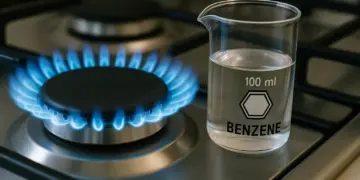
A recent study has unveiled concerning levels of benzene, a known carcinogen, present in the domestic gas supply across four cities in the United Kingdom. Benzene, which is naturally found in oil and gas reserves, is classified by the World Health Organisation as having no safe exposure threshold. Elevated concentrations of this hazardous substance are linked to serious health impacts, including leukaemia and genetic damage.
Despite the UK government’s assurance that exposure to harmful benzene levels is highly improbable, and that stringent regulations are in place to maintain safety, the findings from researchers at the Stanford Doerr School of Sustainability raise significant alarm. Their investigation involved a comprehensive analysis of 72 gas samples obtained from the UK, the Netherlands, and Italy, which included 40 samples specifically from London, Edinburgh, Manchester, and St. Neots in Cambridgeshire.
The study revealed the highest concentration of benzene in the UK was recorded in London, reaching a troubling 200 parts per million by volume (ppmv). This figure is starkly above the European Union’s designated annual limit of 1.6 parts per billion by volume (ppbv). Edinburgh and Manchester also reported significant readings, measuring 57ppmv and 53ppmv respectively, while the lowest level identified was in London at 4ppmv. Alarmingly, nearly 10% of the homes surveyed across the three countries displayed benzene leakages that exceeded the national limits currently recommended.
Dr. Tamara Sparks, an air quality scientist and lead researcher involved in the study, expressed grave concerns over the implications of these findings. “Given these high concentrations, a lot of people are likely being chronically exposed to benzene without knowing it,” she noted. While individuals can take precautions, such as ventilating their homes by opening windows, Dr. Sparks emphasised that individual efforts have limited effectiveness against gas that is already piped indoors.
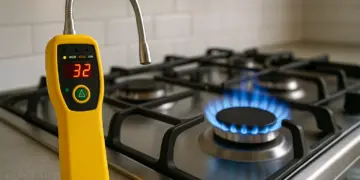
Published in the journal *Environmental Research Letters*, the study not only assessed concentrations of benzene but also evaluated the prevalence of gas leaks in kitchens when appliances were turned off. The researchers found that approximately 40% of the kitchens surveyed in the three countries had ongoing gas leaks. This revelation underscores the need for greater awareness and preventative measures.
Further investigation into the impact of these leaks revealed that around 9% of the homes visited in the UK, the Netherlands, and Italy had leakages that potentially exceeded the national benzene exposure limits. In a striking comparison, the benzene exposure from significant gas leaks in the UK was found to be worse than living with a smoker. For context, a person smoking 20 cigarettes daily has an estimated fourfold higher intake of benzene compared to a non-smoker.
The analysis also included assessments for sulphur-based odourants, which gas companies add to help detect leaks. However, researchers found that in both the UK and the Netherlands, the levels of these odourants were insufficient to alert most individuals to leaks of a magnitude that could elevate benzene concentrations to hazardous levels. In London, for instance, benzene levels arising from a gas leak could reach 62ppbv before the odourant levels would signal an alert, significantly surpassing the established EU benzene limit.
Dr. Rachel Huxley, head of mitigation at the Wellcome Trust, remarked, “We expect our homes to be the safest place we spend our time. This study shows that everyday use of gas can put people at unnecessary health risks.” The implications of these findings are profound, suggesting that gas-related policies and safety measures may need to be revisited to safeguard public health effectively.
The implications of this research extend beyond immediate health risks; they raise crucial questions regarding the safety standards applied to domestic gas supplies and the monitoring of harmful chemicals within them. Dr. Seth Shonkoff, the executive director at PSE, characterised the findings as “eye-popping,” asserting that the detected levels indicate even minor leaks could rapidly escalate into significant health hazards, both indoors and outdoors. He explained, “Whether it’s leaking from a pipeline or a stove in someone’s kitchen, it’s all the same gas, and health risk travels with it.”
In light of this study, the Health and Safety Executive has been approached for comment regarding the alarming concentrations of benzene discovered in domestic gas supplies. With the ongoing conversation surrounding air quality and public health, this research further emphasises the need for meticulous scrutiny of environmental health standards. The data sheds light on a pressing public health concern that warrants immediate attention and action from authorities to mitigate potential risks associated with domestic gas use.
As communities continue to grapple with the impacts of pollution and chemical exposure, the findings serve as a crucial reminder of the inherent dangers that can exist within residential settings.
Our Thoughts
To prevent the high benzene levels discovered in the domestic gas supply, several key actions could be taken. Regular monitoring and maintenance of gas infrastructure should be improved to ensure compliance with safety standards and reduce leaks, adhering to the Gas Safety Regulations 1998, which mandate safe installation and maintenance practices.
Proper odourant levels should be enforced under the Gas Safety (Management) Regulations 1996 to ensure leaks are detectable at safer levels, allowing residents to become aware of potential hazards sooner. Additionally, risk assessments should be routinely conducted to identify and mitigate chronic exposure to hazardous substances, as stipulated by the Management of Health and Safety at Work Regulations 1999.
The findings underscore the need for stricter regulatory oversight and transparency regarding air quality and gas safety standards, specifically enforcing the Control of Substances Hazardous to Health (COSHH) Regulations, which require employers to prevent exposure to hazardous substances. Proactive legislative changes could prevent similar incidents, enhancing public health protection and safety in domestic gas usage.