












Story Highlight
– BVA opposes closure of Cambridge vet school.
– Vital for UK’s veterinary workforce and economy.
– Closure risks public health and scientific excellence.
– Loss of critical tertiary care center for animals.
– Urgent call for sustainable funding support.
Full Story
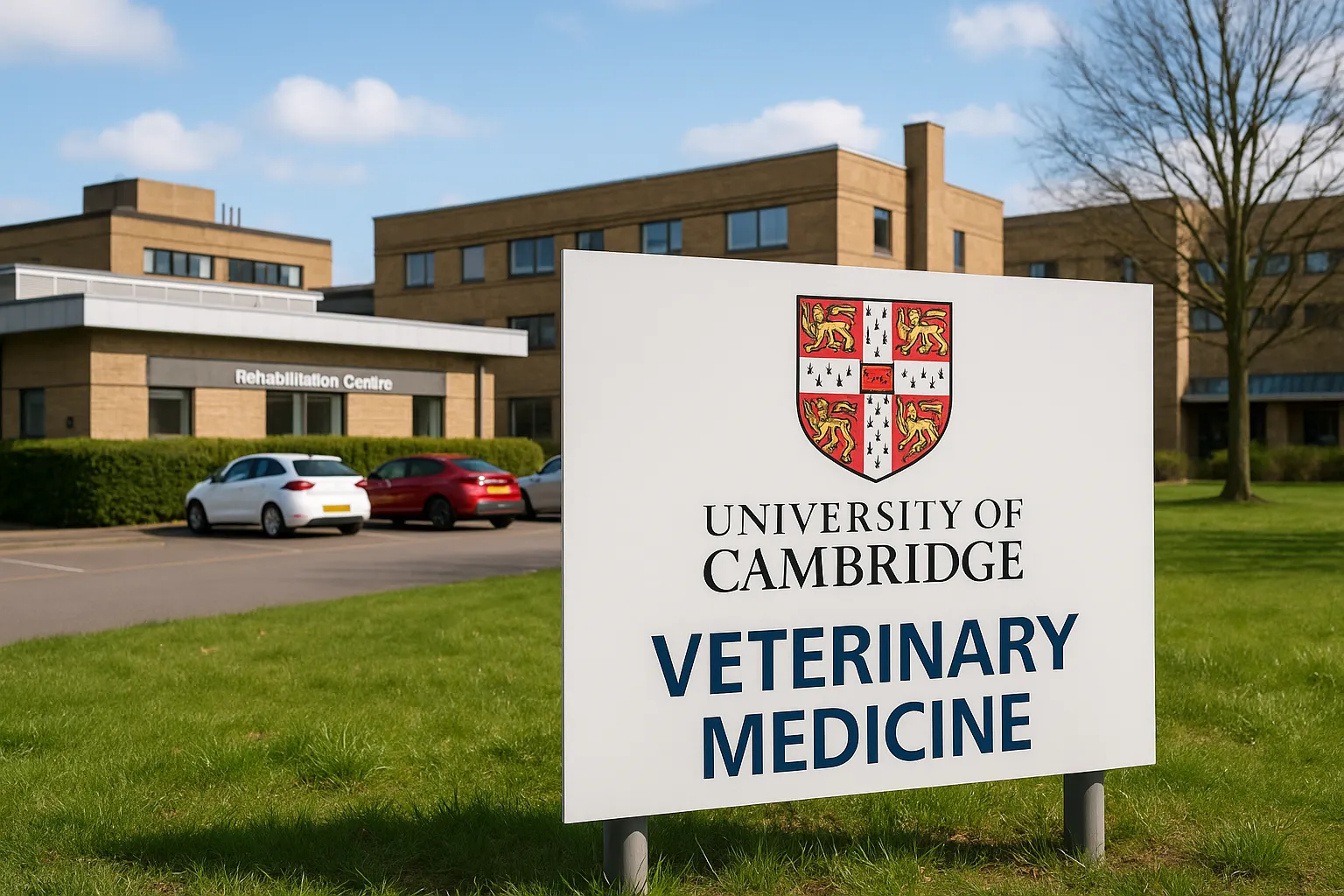
Concerns have emerged within the veterinary community following a recent discussion regarding the potential closure of the University of Cambridge’s undergraduate veterinary medicine degree course. This issue was brought to the forefront during a meeting on Friday, 9 January, when Dr. Rob Williams, President of the British Veterinary Association (BVA), engaged with representatives from the University’s School of the Biological Sciences.
Dr. Williams strongly urged the faculty to reconsider its recommendation to the General Board of Cambridge University, which may lead to the discontinuation of this educational programme. The BVA has voiced considerable discontent regarding the possible closure, framing it as a critical threat to the UK’s veterinary infrastructure. The association highlighted that the vet school not only plays a crucial role in educating future veterinarians but is also essential for maintaining the nation’s veterinary workforce. This workforce is vital for safeguarding the economy, supporting animal health and welfare, and mitigating public health risks, particularly in the context of potential pandemics.
In his correspondence, Dr. Williams articulated a collective concern that transcends individual institutions, emphasizing that the elimination of a highly regarded veterinary school such as Cambridge represents a significant risk to public health and the pursuit of scientific excellence. He noted that veterinarians and veterinary scientists who have received training at Cambridge contribute to key areas such as epidemiology, disease surveillance, and interspecies transmission. These professionals are positioned at the forefront of efforts to anticipate, prepare for, and manage global health threats, including infectious diseases that may lead to pandemics.
Moreover, the proposed closure raises alarms about the ramifications for veterinary care accessibility. The university’s school serves as a major tertiary care centre, providing essential referral services for clients and delivering advanced care for a range of animals, including farm stock. The discontinuation of such a facility might restrict options for pet owners and farmers alike, undermining the quality of veterinary services in the region.
From a broader perspective, the ramifications of shutting down one of the UK’s foremost veterinary training institutions could jeopardise the future of the veterinary profession. It threatens to diminish the influx of proficient professionals, which is critical for ensuring food safety, safeguarding animal welfare, and maintaining a thriving agricultural economy. The potential void in trained personnel would also lead to pressures on the existing workforce, which is already shouldering substantial responsibilities.
Dr. Williams expressed his apprehension, stating: “The potential closure of one of the UK’s most prestigious vet schools is extremely worrying. The loss of Cambridge would undoubtedly affect current and future veterinary students, but the shockwaves will be felt far more widely, with serious implications for food safety, animal and human health and welfare; scientific research and progress; and additional pressure on the veterinary workforce providing medical care to pets, livestock and other animals. Together, the veterinary profession urges the University’s governing bodies to reject this recommendation, recognise the irreplaceable public good the school provides, and commit to finding a robust, sustainable funding model that preserves Cambridge’s vital role at the forefront of global health and scientific leadership. The Vet School is an indispensable national resource that must be preserved and fully supported.”
The letter released by the British Veterinary Association garnered support from a multitude of relevant organisations, representing a wide range of stakeholders within the veterinary community. This includes the Association of Veterinary Teaching and Research Work, the British Cattle Veterinary Association, the British Equine Veterinary Association, and the Association of Veterinary Students, among others. This collective endorsement underscores the widespread recognition of the vital contributions made by the Cambridge vet school to both veterinary education and public health initiatives.
The impending decision regarding the vet school’s future comes at a critical juncture. As nations grapple with ongoing healthcare challenges exacerbated by climate change and global interconnectivity, the ability to train and retain skilled veterinarians has never been more vital. The potential closure of such an institution could have long-lasting effects on the veterinary profession in the UK, hindering the ability to respond effectively to both current and future public health concerns.
In light of these developments, numerous industry experts and stakeholders within the veterinary sector are calling for immediate action. They advocate for a thorough evaluation of funding structures and support systems that would enable the Cambridge vet school to continue operating without compromising on educational standards or public safety imperatives. Ensuring the sustainability of the veterinary workforce and preserving the integrity of animal care services should remain a priority for policymakers and educational leaders alike.
The BVA, as well as the numerous co-signing organisations, emphasise the importance of collaboration between educational institutions, industry partners, and governmental entities in order to devise a viable strategy that ensures the survival of critical veterinary training programmes such as that offered by Cambridge. As discussions about the future of veterinary education continue, the implications for animal welfare and public health remain starkly evident. The outcome of this situation will not only determine the fate of a historic educational institution but could also shape the landscape of veterinary care and services across the UK for generations to come.
Our Thoughts
The proposed closure of Cambridge University’s vet school raises concerns regarding compliance with UK health and safety regulations, particularly the Health and Safety at Work Act 1974. This act mandates that employers ensure the health and safety of employees and the public, which includes maintaining a robust veterinary workforce essential for animal and public health.
To avoid such a situation, proactive engagement with stakeholders in the veterinary field could have been prioritized, promoting the importance of the school’s contributions to public health and safety. Strengthening the funding model for the vet school would have helped ensure its sustainability, preventing the potential loss of specialized training critical for managing zoonotic diseases and safeguarding against pandemics.
Key lessons include the need for ongoing assessment of educational resources aimed at maintaining a competent workforce. Similar incidents can be mitigated by establishing open channels of communication between educational institutions and professional bodies, ensuring that the implications of closures are thoroughly evaluated and understood while preserving essential services that affect both animal and public health.