

















Story Highlight
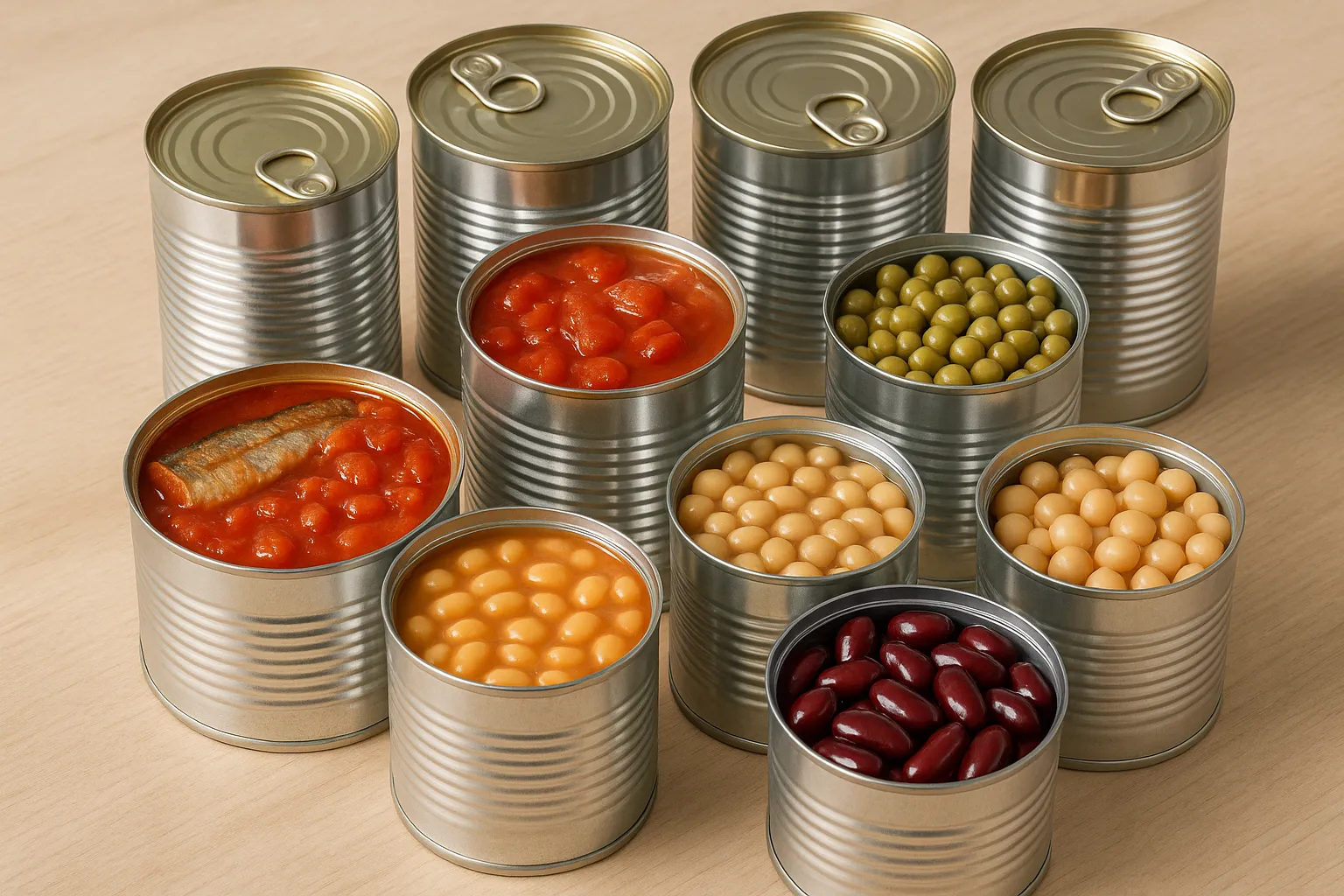
– Tinned foods are nutritious, often more absorbable than fresh.
– Not all canned foods are ultra-processed (UPF).
– Tinned tomatoes contain more lycopene than fresh tomatoes.
– Canned fish provides omega-3s; sardines are particularly beneficial.
– BPA concerns exist; opt for BPA-free canned products.
Full Story
Tinned food has long been a staple in many households, valued for its convenience and affordability. While these goods are often perceived as inferior to their fresh counterparts, they can actually be highly nutritious. For numerous families, canned options facilitate healthier eating habits, offering benefits that sometimes surpass fresh varieties due to the canning process itself, which can enhance nutrient absorption.
A prevalent misconception exists surrounding canned foods and their categorization as ultra-processed foods (UPFs). UPFs have come under scrutiny due to their association with obesity and various health complications, including cardiovascular diseases and type 2 diabetes. It is crucial to note that items like tinned tomatoes, beans, and lentils, while processed, do not necessarily fall into the UPF category. Tinned meals, such as beef stew or ratatouille, are often simply cooked food preserved for convenience. The distinction lies in the use of additives; products like frankfurters that are reformulated with various additives can be classified as ultra-processed. Moreover, existing research linking UPFs with health issues examines broader dietary patterns rather than the occasional consumption of canned meals like ravioli.
Among the best canned foods available, tinned tomatoes stand out as a quintessential store cupboard essential. Surprisingly, studies indicate that canned tomatoes may provide even greater health benefits than fresh ones. Research published in the Journal of the Science of Food and Agriculture in 2007 revealed that canned tomatoes contain approximately double the lycopene content compared to their fresh counterparts. Lycopene, a potent antioxidant, is more readily available due to the heat involved in the canning process, which breaks down the cell walls of the tomatoes. Additionally, essential vitamins and minerals such as vitamin C and folate are largely preserved during canning.
Other canned vegetables, including carrots, peas, and green beans, are excellent choices for budget-conscious shoppers. However, consumers should be mindful of added salt. Rinsing these vegetables before consumption can help reduce sodium intake or opting for varieties with no added salt. Furthermore, the canning method does not significantly alter the omega-3 fatty acid content in oily fish, such as sardines. Omega-3 fatty acids are essential for heart health, cognitive function, and reducing inflammation. One tin of sardines provides a substantial amount of omega-3s—around 1.3 grams per 100 grams drained weight, as evidenced by a 2024 study published in the Journal of Food Composition and Analysis. UK dietary guidelines recommend consuming at least two portions of fish weekly, including one portion of oily fish, to obtain the necessary omega-3 intake. Opting for sardines packed in tomato sauce offers a dual health benefit of omega-3s and lycopene.
While tuna also features in many kitchens, it contains lower levels of omega-3s than sardines, salmon, or mackerel. However, it remains a valuable source of protein and other nutrients. On another note, baked beans, a popular canned staple, are relatively more processed due to the higher levels of sugar and salt in their tomato sauce. Despite this, most baked beans consist primarily of beans with added ingredients, and they are a rich source of both protein and fibre. Research from 2007 in Nutrition Research found that people with high cholesterol who consumed half a cup of baked beans daily for eight weeks experienced a reduction in cholesterol levels. This beneficial effect is likely attributed to the beans’ fibre content, which helps bind bile acids and facilitates their excretion from the body.
The digestive benefits of canned beans extend beyond nutrition; for individuals with sensitive digestive systems, the canning process can aid digestion by breaking down some complex carbohydrates. Rinsing canned beans before consumption can further reduce the presence of difficult-to-digest carbohydrates that some consumers may find troublesome. Black beans, kidney beans, lentils, and chickpeas are nutrient-dense options that provide ample fibre, plant-based protein, and essential vitamins and minerals.
Even canned fruits can retain a significant amount of their fibre and micronutrient content when compared to fresh fruit. However, caution is warranted when selecting canned fruits packed in syrup, which often contain additional sugars. Rinsing them before consumption can help mitigate this issue. In contrast, canned meats, such as corned beef, tend to be high in salt and saturated fats and may include preservatives that cannot be rinsed away. While tinned meats still offer nutritional value, they are best consumed in moderation rather than relied upon as a primary dietary staple.
Concerns about bisphenol A (BPA), a chemical used for years in food can linings, add another layer to the canned food conversation. Research indicates that small quantities of BPA can leach from the can lining into the food, particularly in acidic items. Animal studies have suggested a link between BPA and increased inflammation, which may contribute to conditions like asthma. In response to these concerns, the European Union has instituted a ban on BPA within food contact materials, including can linings, with a gradual enforcement timeline. Within the UK, BPA use is prohibited in items designed for infants and young children, and the Food Standards Agency has been reviewing potential further restrictions. Currently, it maintains that BPA levels found in UK foods, including tinned products, are not considered harmful, even as various manufacturers shift towards BPA-free alternatives.
Ultimately, tinned foods offer a convenient and nutritious means of incorporating healthy staples into daily diets, particularly when consumers opt for BPA-free packaging whenever possible.
Our Thoughts
No relevant health and safety concerns or breaches of UK legislation are apparent in the article provided. The content focuses on the nutritional value of tinned foods and their safety without indicating any incidents or associated risks. Therefore, no recommendations or lessons regarding health and safety practices can be made from this article.