

















Story Highlight
– 40% of industrial accidents linked to substance misuse.
– Alcohol accounts for 20-30% of workplace accidents.
– Employers face liability if impaired staff cause accidents.
– Training for managers on substance misuse is inadequate.
– Remote work complicates identification of substance abuse signs.
Full Story
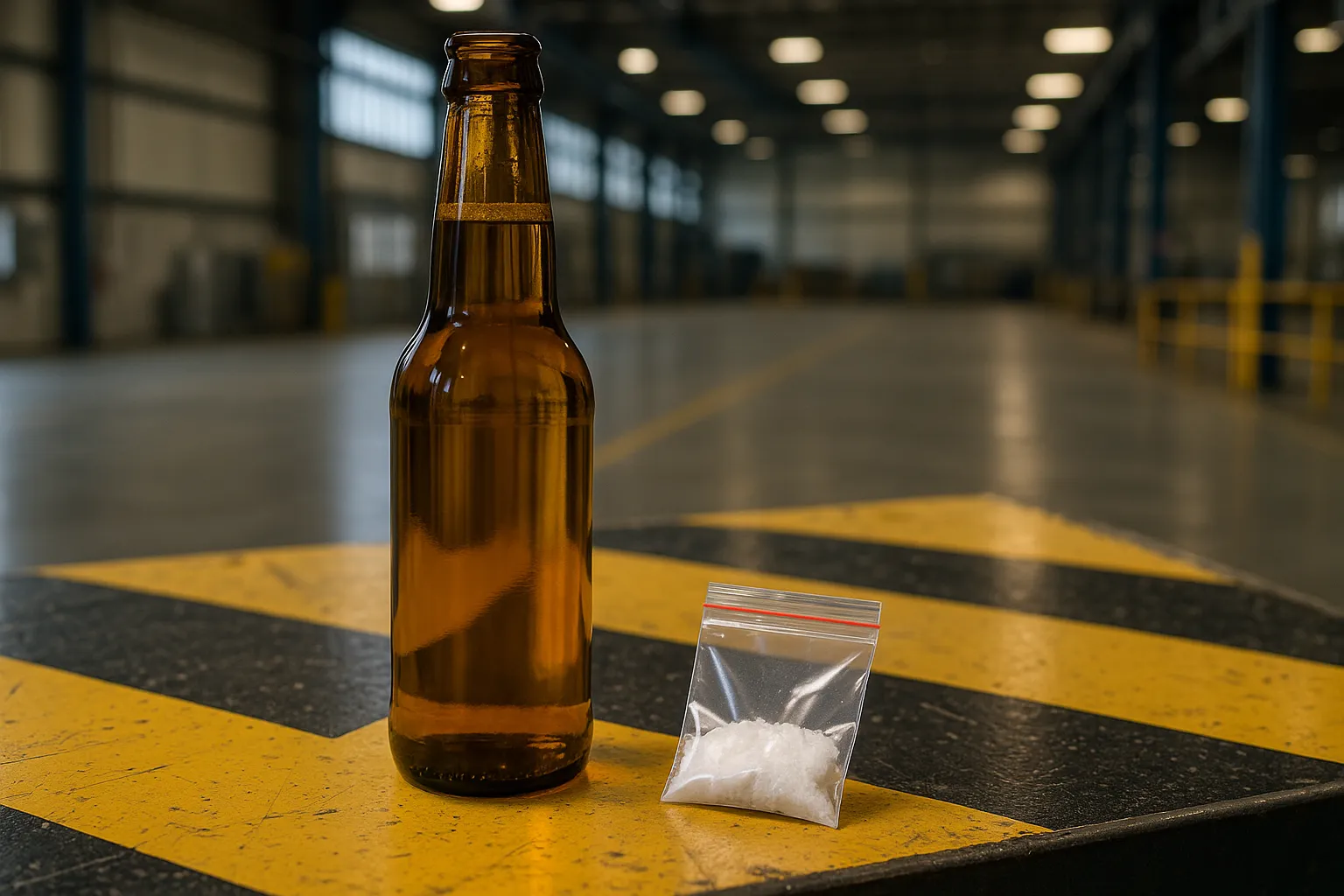
In recent years, changing societal views have significantly influenced attitudes toward drinking and driving, yet similar shifts have yet to occur concerning substance use in the workplace. A report published in September 2024 by the British Safety Council has drawn attention to the concerning intersection of substance misuse with occupational safety, revealing that 40% of industrial accidents are attributed to this issue. Alcohol alone accounts for between 20-30% of various reported workplace accidents, with half of all workplace fatalities connected to alcohol use.
The roots of this awareness can be traced back to July 1970, when the Royal Navy made the pivotal decision to eliminate the daily ‘tot’ of rum due to safety concerns regarding alcohol consumption among sailors tasked with operating complex machinery. While historical awareness of these risks exists, the modern workplace is facing a dual challenge concerning both alcohol and drug use among employees. In recognition of these issues, the Health and Safety Executive (HSE) has included a section on its website dedicated to “Managing drug and alcohol misuse at work.”
Tina Chander, who heads the employment law division at Wright Hassall, has emphasised the critical need for safety and reliability in the workplace, which are jeopardised when employees misuse drugs or alcohol. She states, “employees under the influence of drugs or alcohol can experience impaired judgement, slower reaction times and reduced concentration. This increases the risk of accidents which could lead to serious injury or even fatalities, especially in safety-critical roles involving machinery, driving or physical labour in places such as factories, warehouses or construction sites.”
From a legal standpoint, the Health and Safety at Work Act 1974 imposes an obligation on employers to ensure the health and safety of their employees, making the presence of impaired individuals at work a potential liability in the event of an accident. Beyond safety implications, substance misuse leads to absenteeism, mistakes, and poor performance while straining interpersonal relationships, with possible reputational damage for the companies involved. Mandy Robson, head of business services at the British Printing Industry Federation (BPIF), highlights these broader consequences. “The impact runs right through productivity, safety and culture,” she states, noting that hangovers alone are estimated to cost the UK economy £1.4 billion annually, driven by decreased alertness and decision-making issues.
Chander identifies alcohol misuse as the most prevalent substance-related challenge within the workplace and has noted an increase in employers wanting to implement random drug testing. The evolving social attitudes toward alcohol consumption, particularly among younger workers who tend to drink less, alongside a rise in visible recreational drug use, indicate a significant trend in workplace substance policies. Chander cites data from the Office for National Statistics (ONS) and NHS Digital, illustrating this gradual shift.
Alongside this, there is a growing concern regarding the misuse of prescription and over-the-counter medications, often linked to mental health challenges. This rise has been exacerbated by the advent of remote working, making it increasingly difficult for employers to monitor signs of substance misuse. Chander suggests that a comprehensive review of existing policies is warranted, advocating for the development of an integrated drug and alcohol policy that consistently addresses both issues.
It’s noteworthy that no industry is immune to substance misuse, yet stringent policies are often observed in safety-critical sectors such as construction and transport, where risks are immediately apparent. In contrast, issues may be less visible in office environments but can still manifest through presenteeism and decreased productivity. Chander observes that white-collar professions face particular challenges; stress and client pressures can drive dependence on alcohol or stimulants.
Despite the high prevalence of substance misuse, quantifying the extent of drug use in workplaces remains difficult. Robson acknowledges that while information on alcohol misuse is relatively well-documented, the hidden nature of drug use makes thorough assessments problematic.
Employers should be vigilant for signs of substance misuse, which may include the smell of alcohol or drugs, erratic behaviour, and a drop in performance or timekeeping. Robson asserts that subtle changes can indicate issues that require further investigation. Nevertheless, Chander cautions against jumping to conclusions as symptoms such as fatigue or stress may appear similar to those of substance abuse.
When concerns emerge, employers have a responsibility to approach the situation with care and support, potentially leading to employee suspension while the matter is investigated. If deemed appropriate, support mechanisms such as referrals to occupational health or counselling should be offered, particularly in cases of dependency, where individuals may be struggling with health challenges rather than misconduct.
Both Chander and Robson stress the importance of properly training managers to identify early signs of substance abuse, engage in sensitive discussions, and navigate confidentiality requirements. Alarmingly, the Chartered Institute of Personnel and Development (CIPD) indicates that only 25% of organisations provide managers with adequate training in addressing issues related to drugs and alcohol.
Regarding the question of off-duty behaviour, Chander asserts that disciplinary action may be warranted if such conduct impacts work performance or the company’s reputation. It is crucial, however, for employers to respect the privacy of employees outside of work unless behaviour directly affects their professional responsibilities.
Chander notes that implementing drug and alcohol testing within the workplace should not be considered an indiscriminate measure but rather a strategy based on clear safety needs. Such policies must align with the UK’s data protection guidelines to ensure that testing complies with legal standards for sensitive health data.
As organisations navigate these complex issues, many are opting to limit alcohol consumption during work events. Robson points out a growing trend towards “dry sites” to mitigate risks associated with alcohol consumption. Employers are reminded of their duty to manage any misconduct associated with alcohol, as any inappropriate behaviour at work functions can reflect poorly on the business itself.
The management of substance misuse in the workplace is critical not only for employee safety but also for safeguarding corporate reputation and legal compliance. Effective policies combining preventative measures, supportive frameworks, and strict enforcement can create a safer work environment for all.
In this context, Unite the Union expresses concern over the health and job security risks posed by substance misuse among their members. They insist that any assortment of plans involving drug and alcohol testing must involve thorough discussions with the union, ensuring that policies prioritize the wellbeing of employees while navigating the legal complexities surrounding testing and potential disciplinary actions.
In summary, both the evolving workplace culture and the legal landscape necessitate that employers become proactive in their approach to managing substance misuse. By fostering an environment of support and vigilance, businesses can protect their employees and reinforce their commitment to health and safety in the workplace.
Our Thoughts
To mitigate the risks associated with substance misuse in the workplace, employers should enhance their approach to health and safety in compliance with the Health and Safety at Work etc. Act 1974. Key strategies include implementing comprehensive drug and alcohol policies that are well-communicated to all employees, incorporating regular training sessions for management to recognize signs of substance abuse and to manage such issues sensitively and effectively.
Enhancing monitoring systems, especially in hybrid work environments, could help detect potential issues earlier. Random testing should be reserved for safety-critical roles and conducted under transparency to comply with UK GDPR, ensuring informed consent and confidentiality.
Failure to adequately manage substance misuse exposes businesses to liabilities, including breaches of the Management of Health and Safety at Work Regulations 1999, which require reasonably practicable measures to prevent risks. Not taking appropriate action may lead to serious accidents and fatalities, with the potential for corporate manslaughter charges being a significant concern.
In summary, fostering a workplace culture that prioritizes safety and accountability, along with robust policies and support mechanisms, could prevent similar incidents and protect employee health and business integrity.