














Story Highlight
– 36 children reported symptoms linked to toxin poisoning.
– Cases reported across England, Scotland, Wales, Northern Ireland.
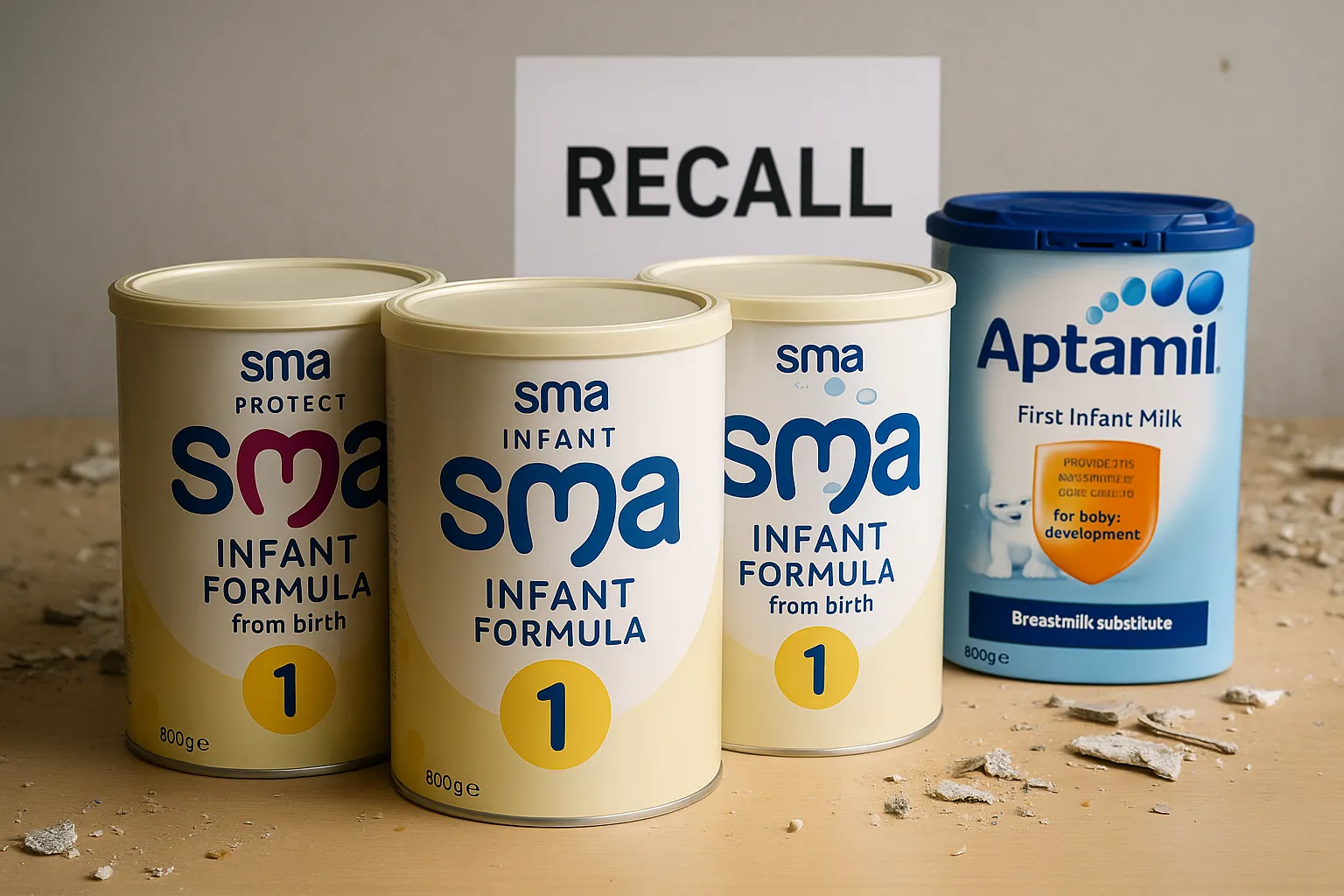
– Nestlé recalled SMA Infant Formula due to cereulide toxin.
– Danone recalled Aptamil formula over cereulide contamination.
– Updated product expiry dates communicated for affected recalls.
Full Story
Concerns have arisen in the UK regarding alleged toxin contamination in baby formula, with 36 clinical reports indicating children displaying symptoms associated with toxin poisoning. The latest information from the UK Health Security Agency (UKHSA) highlights that notifications have been received from various regions across the country, including 24 from England, seven from Scotland, three from Wales, one from Northern Ireland, and one from the British crown dependencies.
The issue first came to light on 5 January, when the Food Standards Agency issued a statement announcing a precautionary recall by Nestlé. This recall affected multiple batches of SMA Infant Formula and Follow-On Formula products following suspicions of the presence of cereulide toxin. This substance can cause gastrointestinal symptoms such as nausea and vomiting if ingested.
The initial recall was further refined on 9 January, with the Food Standards Agency updating the list of affected products to include additional expiry dates. In a subsequent development on 24 January, Danone—the manufacturer known for its popular Aptamil brand—also issued a recall for a single batch of Aptamil First Infant Formula due to similar concerns regarding cereulide contamination.
This situation is of significant concern for parents and health professionals alike, prompting an urgent emphasis on monitoring the health of infants who may have consumed the affected products. The symptoms associated with cereulide exposure, though typically transient, can lead to considerable distress for both children and their families.
Experts in food safety have highlighted the importance of prompt action in situations where potential contamination is suspected. The UKHSA, in collaboration with various partners, is actively investigating the reports and is working closely with health authorities to ensure that any affected infants are identified and treated accordingly.
Nestlé and Danone have stated their commitment to consumer safety, affirming that these recalls were conducted as a precautionary measure to safeguard the health of children. They have encouraged parents to be vigilant and check their supplies of baby formula against the details issued in the recalls.
The concern about toxin exposure in infant formula underlines the ongoing challenges faced in ensuring food safety for vulnerable populations. Health authorities have reiterated that consumers should remain alert and report any adverse effects to their healthcare providers, should they arise after the consumption of any baby formula linked to these recalls.
With an increasing number of parents relying on formula feeding, the implications of such contamination incidents could be widespread. For many families, formula is a critical part of infant nutrition, making these recalls particularly distressing. The timing of these recalls, just after the holiday season when purchasing habits may have shifted, raises additional issues regarding awareness and communication surrounding food safety measures.
Moreover, the UKHSA has highlighted that many of the reports received have stemmed from routine monitoring rather than direct contacts from parents. Nevertheless, the collaborative effort among health agencies and food manufacturers continues to be crucial in maintaining public confidence in baby formula products.
As investigations progress, it remains essential for consumers to stay informed. The Food Standards Agency and the UKHSA are expected to provide regular updates as more information becomes available. Parents are advised to consult official guidance and, if in doubt, to refrain from using the recalled products.
This incident highlights not only the importance of vigilance in food safety but also the role of swift regulatory action in protecting public health. The nature of foodborne illnesses can vary, but with vulnerable populations such as infants, the stakes become markedly higher.
Professional guidance encourages parents to be proactive. If there are any signs of illness in infants linked to the consumption of recalled formula products, they should seek medical advice. Symptoms such as vomiting, diarrhoea, and unusual irritability can be indicative of underlying health issues that require attention.
While the chances of severe outcomes from cereulide exposure remain low, the implications of these recalls underscore the necessity for stringent oversight in the production of infant nutrition. Ongoing efforts from health agencies will ascertain whether further preventative measures will be instituted to avoid such incidents in the future.
As this situation develops, maintaining open communication between food manufacturers, health agencies, and consumers will be vital in restoring peace of mind to those affected. The balancing act between maintaining a safe food supply and addressing the public’s health concerns continues to be a significant challenge in the realm of consumer safety.
Our Thoughts
To mitigate the risks associated with this incident, several key actions could have been taken. Firstly, effective quality control measures should have been in place to detect the presence of cereulide toxin before product distribution. This aligns with the Health and Safety at Work Act 1974, which mandates that employers ensure the health and safety of consumers through safe practices.
Secondly, improved communication protocols regarding potential contamination could have expedited information sharing and consumer awareness, reducing the time children were exposed to the unsafe products. The Food Safety Act 1990 highlights the importance of ensuring food safety and preventing risks to public health, which includes timely recalls and information dissemination.
The regulations breached appear to relate to consumer safety standards and food hygiene guidelines. Enhanced monitoring and clearer traceability of food products throughout the supply chain could prevent similar occurrences. Regular training for personnel handling food safety could ensure better compliance with regulations. Overall, robust safety practices, proactive communication, and strict adherence to UK food safety legislation are crucial to safeguarding public health in future scenarios.