












Story Highlight
– Children’s craft kit recalled due to possible asbestos contamination.
– Sold at major UK retailers including Tesco and M&S.
– Consumers advised to stop using and handle safely.
– Product does not meet safety regulations standards.
– Detailed disposal instructions provided for users.
Full Story
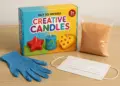
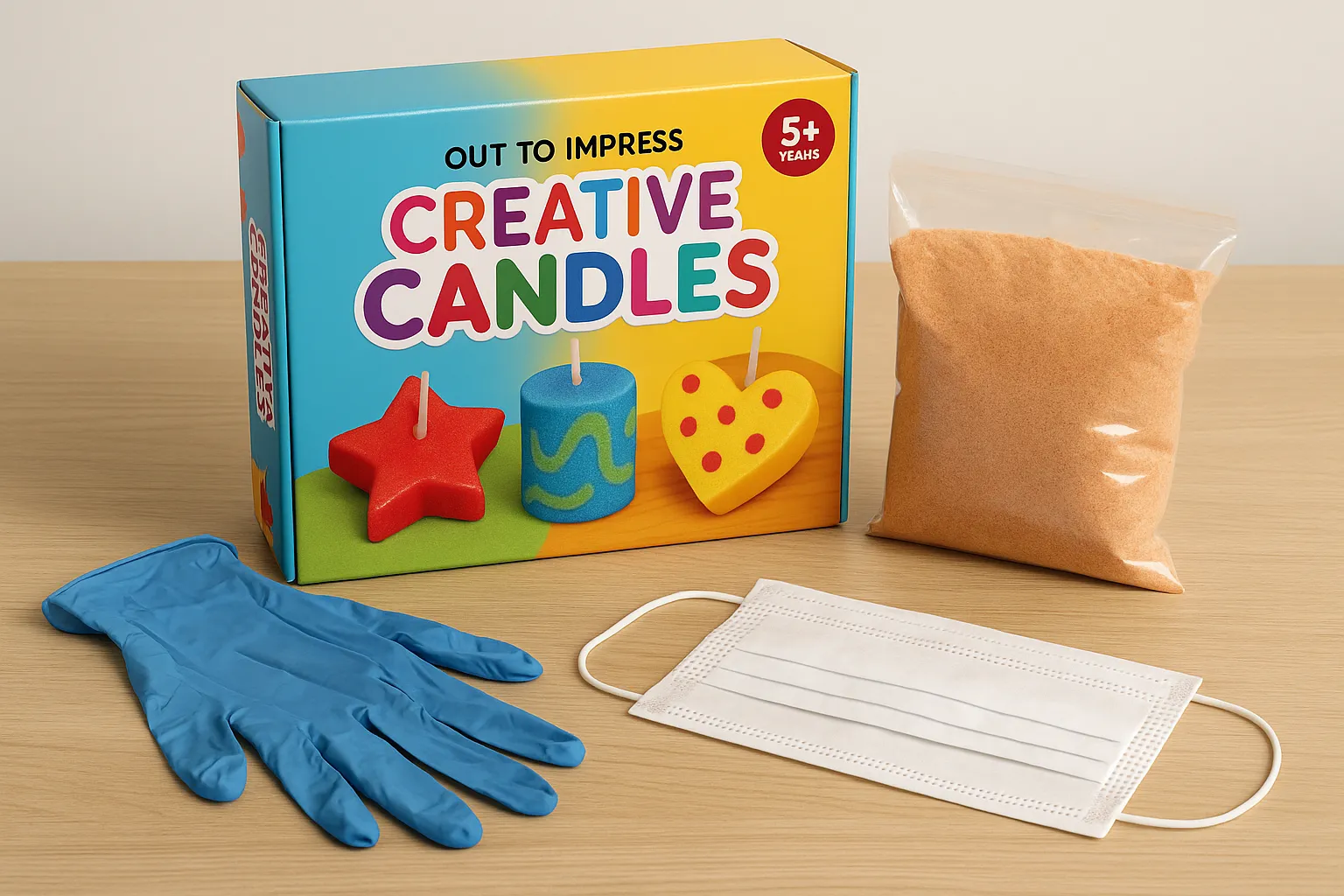
A recent recall has been issued for a children’s arts and crafts kit due to concerns that the sand component may contain asbestos, a hazardous material linked to serious health risks. The product, named Out To Impress Creative Candles, is produced by Addo Play Limited and has been found not to comply with health and safety regulations outlined in the Toys (Safety) Regulations 2011.
Shoppers across major UK retailers, including The Entertainer, Early Learning Centre, Tesco, Matalan, Hobbycraft, Moonpig, British Garden Centres, and TG Jones, purchased this item between September 2024 and February 2026. Depending on the store, customers can identify the recalled kits by specific product codes, such as 570142 for The Entertainer and Early Learning Centre, 6859261000 for Hobbycraft, and T554448 for M&S.
The Office for Product Safety Standards (OPSS) has issued a warning indicating that even minimal exposure to asbestos can pose significant health risks. Asbestos is classified as a banned substance due to its potential danger to human health, particularly when inhaled.
Individuals who have bought the product are urgently advised to stop using it immediately. To ensure safety, they should avoid contact with the sand, keep the product away from children, and take precautions such as wearing gloves and a mask while handling the item.
The OPSS has detailed several steps for safe disposal of the kit. Users should first check if the sand remains in its original packaging. If so, it should be placed in a heavy-duty plastic bag, sealed tightly with tape, clearly labelled, and stored securely out of children’s reach. For those who have already used the sand, it is recommended to clean the affected area carefully with wet cloths to prevent dust from circulating, while also using gloves and a mask. All materials, including the sand, cleaning cloths, and protective gear, should be double-bagged to mitigate any risks. It is also essential to keep children and other individuals away from the cleaned areas until the efforts have been thoroughly concluded.
For the actual disposal of the product, users can either dispose of it within their regular household waste or return it to the retailer where it was purchased. Retailers are offering full refunds upon return of the recalled item.
Consumers concerned about their purchases can refer to the official websites of Addo Play Limited, Early Learning Centre, The Entertainer, Hobbycraft, Matalan, Tesco, and M&S for additional information and guidance. The recalls and warnings issued by the retailers reflect a commitment to keeping customers informed and safe from health hazards associated with this child-centric product.
Local authorities and safety organisations will continue to monitor the situation to ensure compliance with regulations and assess any potential risks to public health stemming from the sale of contaminated products. In light of this incident, the importance of vigilance regarding toy safety standards cannot be overstated, especially when it comes to items intended for children.
Parents across the UK are urged to remain attentive to product recalls and safety advisories, as the presence of hazardous materials in children’s toys is not only a regulatory issue but a serious health concern. The public’s awareness and swift action can prevent tragedies and health complications.
While occurrences of contaminated toys are rare, the recall serves as a crucial reminder for both consumers and manufacturers to uphold rigorous safety standards in children’s products. Preventive measures and prompt actions can significantly contribute to safeguarding children’s health and well-being.
The swift removal of the product from store shelves underscores the proactive steps the retail industry must take in ensuring that product safety remains a top priority. The repercussions of neglecting these responsibilities can be extensive, with long-term health effects for affected individuals.
As investigations continue, this situation highlights the necessity for robust testing and quality control processes within the manufacturing and retail sectors. Ensuring products meet safety regulations is essential not only to protect children but also to maintain public trust in brands and retailers.
For purchasers of the affected kit, the messaging from both the manufacturer and retailers is clear: safety must come first, and taking immediate action is imperative to prevent potential health issues linked to the use of the product. Consumers are encouraged to stay informed and engaged regarding household items frequently used by children to maintain a safe and healthy environment.
Our Thoughts
The incident concerning the contaminated children’s arts and crafts kit underscores several crucial health and safety failures and lessons. First, the manufacturer, Addo Play Limited, breached the Toys (Safety) Regulations 2011, which necessitate rigorous safety assessments to ensure that products posed no health risks. Enhanced pre-market testing and adherence to safety standards could have prevented the distribution of such hazardous products.
Key safety lessons include the importance of comprehensive hazard assessments throughout the product lifecycle. Manufacturers and retailers should implement stringent quality control measures, including regular testing for contaminants like asbestos, to ensure compliance with health and safety regulations. Engaging in proactive communication with consumers upon discovering potential hazards is vital for avoiding health risks.
To prevent similar incidents, companies should ensure that their supply chains maintain high safety standards and are adequately monitored. In addition, regulatory bodies might consider stricter enforcement and oversight of toy safety regulations to better protect consumers from harmful products. The incident highlights the necessity for ongoing training and education regarding the handling of hazardous materials, particularly in products intended for children.