














Story Highlight
– Cold health alert issued across much of England.
– Snow forecasted for parts of Wales and Midlands.
– Warning highlights risk to vulnerable people’s lives.
– Yellow rain warning issued for southern England.
– Significant groundwater flooding risk could persist months.
Full Story
A cold weather health alert is now in effect across a significant portion of England, with forecasts indicating potential snowfall in parts of Wales and the Midlands. Issued by the UK Health Security Agency (UKHSA), this alert is active from 6am on Friday until 8am on Monday, impacting regions including the South West, the Midlands, the North East, the North West, and Yorkshire and The Humber.
The UKHSA, which typically focuses its warnings on England, has emphasised that the plunging temperatures could increase the risk to vulnerable populations, likely leading to heightened demand for healthcare services during this period.
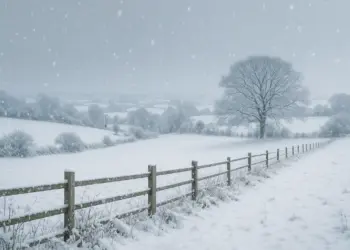
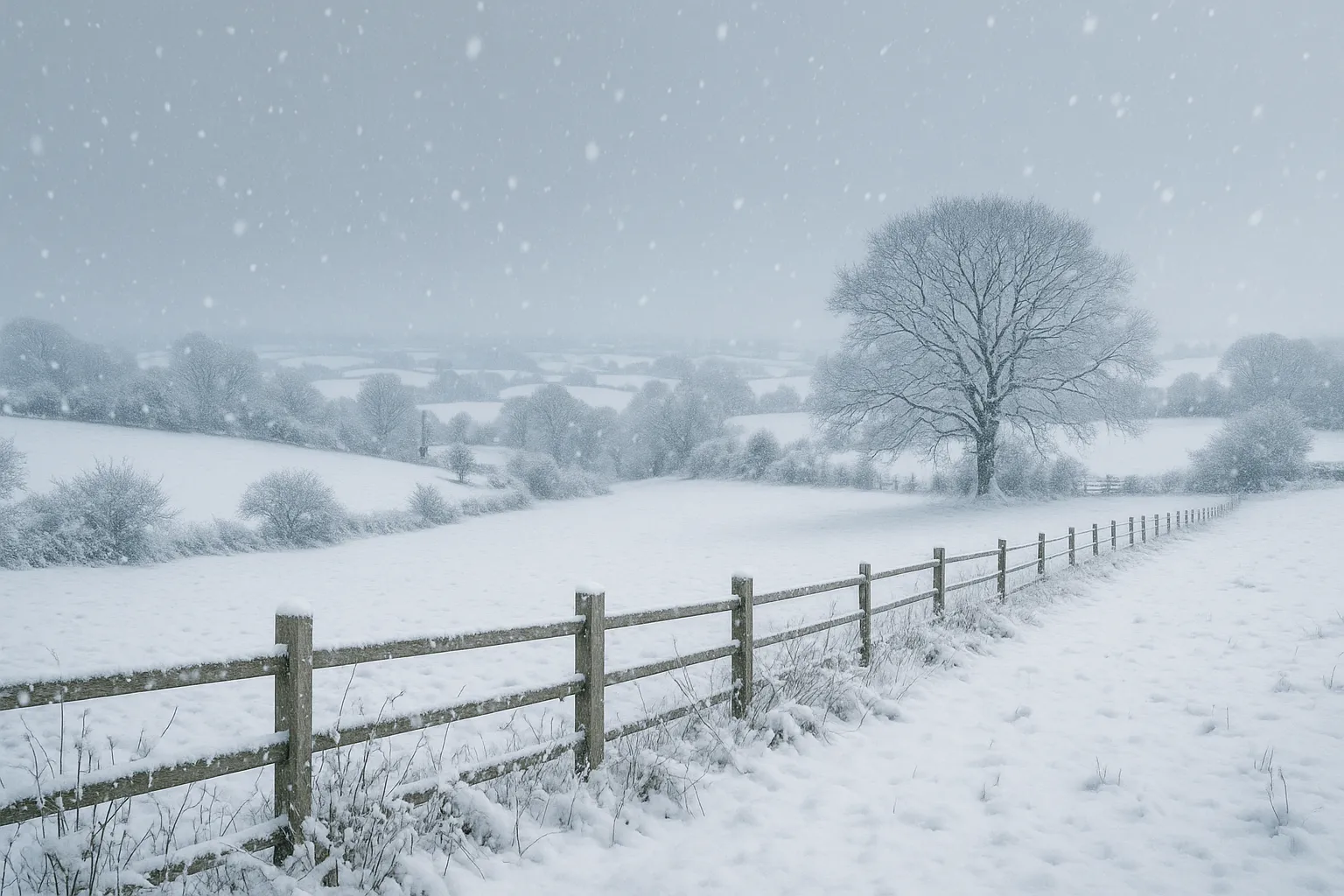
In conjunction with this health alert, the Met Office has also issued a yellow warning for snow, anticipating disruptions in parts of Wales and central England on Wednesday and Thursday. Forecasters predict that higher elevations could experience between 2cm and 5cm of snow, while lower-lying areas may see lesser amounts as the wintry weather approaches from late evening into the early hours.
Alongside the snowfall, a yellow warning for rain has been announced for southern England during the same time frame. This warning includes the possibility of flooding and travel disruptions across the region. Recent storms that have swept through the South West, named Goretti, Ingrid, and Chandra, have already caused significant rainfall in January, compounding the risk potential.
Recent reports, including insights from Sky’s science correspondent, Thomas Moore, highlight that the UK could face prolonged flooding risks in the months ahead, given the extraordinary rainfall experienced since the start of the year. The UK Centre for Ecology and Hydrology (UKCEH) has reported alarmingly high levels in rivers across the south and southwest, with some reaching record highs.
In the wake of excessive rainfall, certain areas have reported saturation of soil, resulting in water rising through the ground, which further exacerbates flood risks. The Environment Agency (EA) has also raised concerns about the significant possibility of groundwater flooding persisting over the coming months.
The ongoing challenges posed by this sequence of severe weather events underscore the potential for continued disruption across the affected regions. Local authorities and emergency services are preparing for various scenarios that may unfold, from managing icy roads to assisting those most at risk during this cold snap.
Residents are urged to stay informed about safety measures and potential disruptions in their areas. Local health services are preparing for an increase in demand as the adverse weather conditions unfold, ensuring resources are available for those who may need assistance, particularly among vulnerable populations.
As the season transitions, the interplay between cold weather and existing saturated ground presents a unique set of challenges for communities across England and Wales. The cold alert is not only a reminder of the physical dangers posed by winter weather; it also highlights the broader impacts on public health and infrastructure during such conditions.
For those travelling or engaging in outdoor activities, it is essential to remain vigilant. The yellow warnings serve as a crucial alert for individuals to prepare accordingly, whether that means ensuring vehicles are winter-ready, allowing extra time for travel, or staying abreast of local forecasts.
The situation indicates a broader climatic trend that experts have been monitoring, as intensive rainfall events have become more recurrent in recent years. The implications for infrastructure, agricultural practices, and daily life remain significant, spotlighting the need for comprehensive long-term strategies to manage such weather extremes.
Communities are reminded to heed guidance issued by health and weather agencies as they navigate the unpredictable conditions. Ensuring that appropriate measures are in place can help mitigate the worst effects of this wintry weather and any subsequent flooding events.
As this weather alert unfolds, the collaborative efforts between agencies, local governments, and community organisations will undoubtedly play a pivotal role in ensuring public safety and health. Residents are encouraged to remain cautious and to take all necessary precautions in the face of the inclement weather forecast.
Our Thoughts
The article highlights a cold weather alert and related risks but does not detail any specific incident. However, preventative measures can be considered in the context of weather-related safety management. Key safety lessons include the need for clear communication regarding extreme weather events and their potential impacts on vulnerable populations. The UK Health Security Agency (UKHSA) and the Met Office could enhance their outreach strategies to ensure that guidance reaches those at highest risk during cold weather, aligning with obligations under the Health and Safety at Work Act 1974 to protect people’s health and safety.
Relevant regulations that may be breached include the Management of Health and Safety at Work Regulations 1999, which mandate the assessment of risks and implementation of appropriate measures. Ensuring effective contingency planning for increased healthcare service demands could improve overall public safety during such periods.
To prevent similar incidents from impacting health, proactive engagement with local agencies and communities, along with regular reviews of emergency response plans, could mitigate risks associated with extreme weather conditions.