













Story Highlight
– Snow and ice warnings issued across the UK on Friday.
– Amber warnings for heavy snow in northern Scotland.
– Travel disruption expected in England and Wales areas.
– Up to 40cm of snow possible on higher ground.
– Health risks increase for vulnerable populations during cold.
Full Story
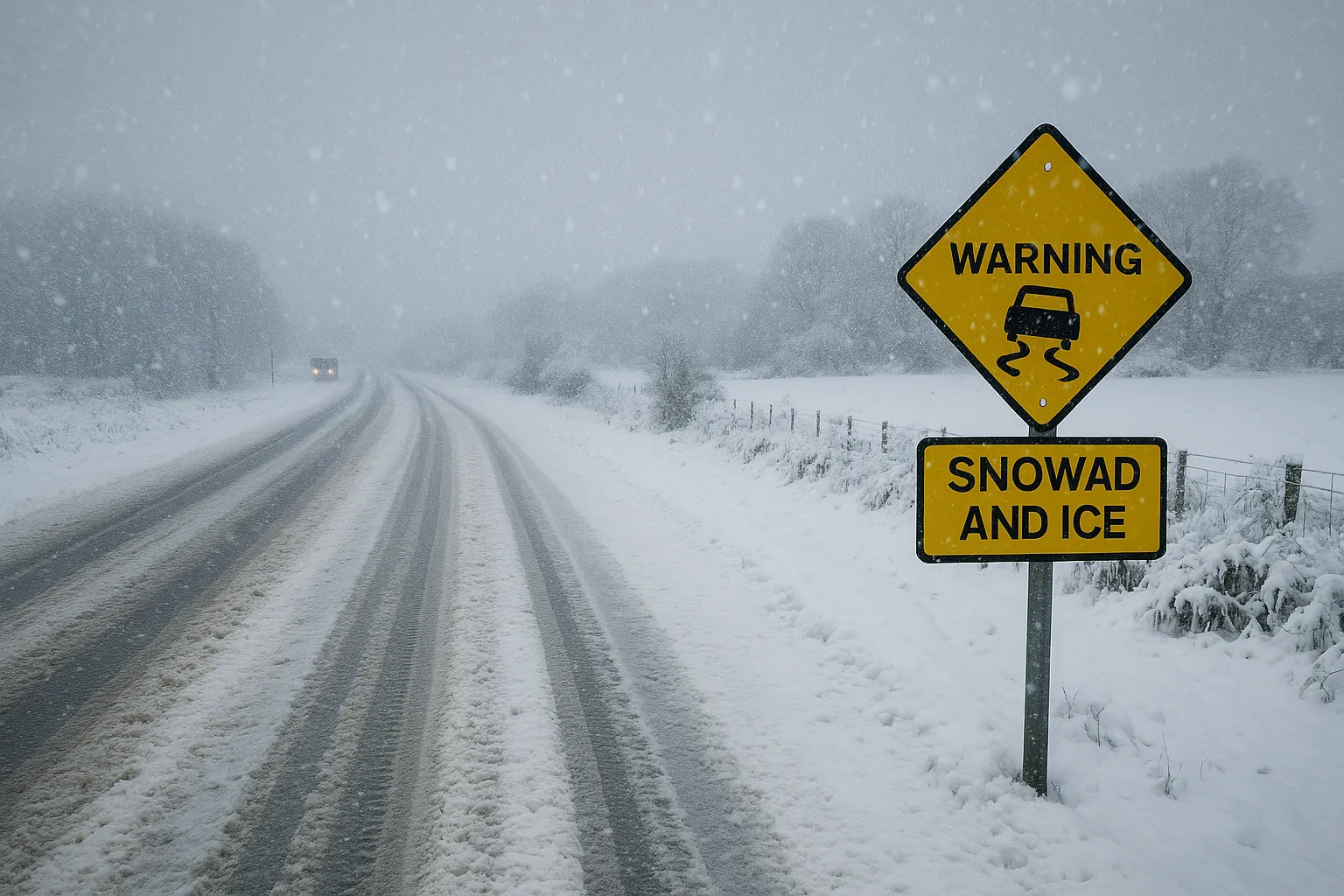
Warnings have been issued across the UK as forecasts predict snow and icy conditions on Friday, with potential travel disruptions anticipated. The Met Office has set yellow weather alerts for snow and ice in several regions, with amber warnings for northern Scotland taking effect from midday on Friday.
The adverse weather is expected to sweep across England and Wales, moving southeast, beginning on January 2. Specific areas, including London, Greater Manchester, and Cardiff, will see yellow weather warnings for snow and ice in effect throughout Friday morning. An additional yellow warning for ice has been announced in the South West of England, which will remain valid until 10am.
Some locations might experience snowfall amounts reaching 2cm, while higher elevations could see accumulations of up to 5cm. The impact of heavy snowfalls has already been felt in the Highlands and north-east Scotland, where motorists encountered significant challenges on New Year’s Day. The forecast indicates that blizzard-like conditions are possible from Friday through the weekend.
The amber weather warnings for snow will persist until noon on Saturday, encompassing areas already under yellow alerts. The Met Office has indicated that regions facing amber warnings in Scotland might suffer power outages and could see vehicles become immobilised due to the severe weather conditions.
For Friday, forecasts suggest snowfall could accumulate to as much as 20cm in lower areas, while higher ground could see totals rise to 40cm. Residents in these regions are cautioned that the wintery weather may continue into the weekend.
Outlining the severity of the situation, the Met Office commented: “Heavy snow showers will become more frequent and may merge to give longer spells of snow at times. The area and period covered by this warning are when the heaviest and most disruptive snow is thought most likely during the current cold spell, with existing yellow warnings covering a wider area and a longer period.”
The forecaster added that windy conditions could lead to snow drifting and temporary blizzard conditions, increasing the risks for those on the roads.
Chief Superintendent Scott McCarren, who oversees road policing for Police Scotland, advised the public to evaluate the necessity of their travel plans amid the inclement weather. “Our advice is to plan ahead and consider if your journey is really necessary during the bad weather or if it can be delayed until conditions improve,” he stated. He encouraged motorists to adapt their driving to suit the hazardous conditions and to prepare for potential delays, emphasising the importance of respecting road closures which are enforced for public safety.
On Friday, the yellow warnings for snow and ice will affect large segments of England and Wales from midnight until noon, touching regions from Chester and Greater Manchester down to London and Kent. Additionally, Northern Ireland will also face yellow warnings from midnight until 10am on Friday.
Motorists are urged to account for longer journey times, understanding that bus and train services may also experience delays. The AA has projected that vehicle journeys could reach 20.7 million across the UK on January 2, a significant increase from the predicted 18.0 million trips recorded on the less busy New Year’s Day.
The Met Office has reiterated that this cold snap is expected to last through the weekend and into the following week, indicating further warnings may be needed as temperatures remain significantly low and snow showers persist in various locations.
Meanwhile, the UK Health Security Agency (UKHSA) has issued advisories for the start of the year, which will be in effect until 10am on January 6. The agency has flagged that the expected weather conditions may cause notable impacts on health and social care systems, which could include an uptick in mortality rates amongst vulnerable populations, particularly those over the age of 65 or with pre-existing health issues.
Dr Paul Coleman, a health protection consultant at the UKHSA, cautioned: “The weather is forecast to be very cold across England over the coming few days. Low temperatures like these can have serious impacts on the health of some people, particularly older people and those with serious health conditions. Exposure to cold can lead to increased risk of heart attacks, strokes and chest infections. It is therefore really important, as the colder weather sets in, to check in on friends, family and neighbours that are most vulnerable.”
As the wintry conditions take hold, communities are encouraged to remain vigilant and prepared for the challenges posed by the snow and ice, keeping safety as a paramount concern during this frigid period.
Our Thoughts
To mitigate the impacts of the severe winter weather detailed in the article, several measures could have been implemented. Better communication regarding travel advisories is crucial; authorities should ensure timely alerts are disseminated about hazardous conditions, encouraging the public to reconsider non-essential travel. Under the Health and Safety at Work Act 1974, employers must assess risks and ensure safe conditions for staff, which includes monitoring weather impacts on travel.
Safety lessons from this incident emphasize the need for comprehensive contingency planning for adverse weather conditions, including emergency services readiness and clear guidelines for road closures to ensure public safety.
Furthermore, the Transport (Scotland) Act 2005 highlights the importance of managing road safety in severe weather, necessitating operators to provide adequate information to motorists.
Similar incidents can be prevented by adopting a proactive approach to weather-related hazards, involving community outreach to educate vulnerable groups about preparing for cold conditions, as advised by UKHSA. Regular training and simulations for emergency response teams would bolster preparedness for extreme weather events, ensuring a more coordinated and effective response.